Loading...
loading...





A normal resting heart rate for adults is between 60 and 100 beats per minute. Fitness, age, and overall health can influence these numbers.
A normal heartbeat consists of a regular rhythm with 60 to 100 beats per minute at rest. It's steady, without skipping beats or irregular patterns.
A normal resting heart rate for adults ranges from 60 to 100 beats per minute. Athletes may have lower resting heart rates, typically between 40 to 60 bpm, due to better cardiovascular fitness.
To keep your heart healthy, maintain a balanced diet rich in fruits, vegetables, whole grains, and lean proteins. Regular physical activity, avoiding smoking, managing stress, and monitoring your cholesterol levels are also key.
A normal heartbeat has a steady rhythm, with beats ranging from 60 to 100 times per minute when resting. It should be strong and regular without any skipped beats or abnormal rhythms.
A healthy heart rate for adults typically falls between 60-100 beats per minute at rest. Regular exercise, hydration, and stress management can help maintain a healthy heart rate.
A normal resting heart rate ranges from 60 to 100 beats per minute for most adults. Heart rate can vary depending on fitness level, age, and overall health.
The average resting heart rate for adults is about 70-80 beats per minute, though it can vary between 60-100 bpm depending on factors like age and fitness level.
A healthy resting heart rate is generally between 60 and 100 beats per minute. Staying physically active and maintaining a healthy lifestyle can help keep your heart rate in this range.
The normal heart rate for adults ranges from 60 to 100 beats per minute at rest, though it may be lower for well-conditioned athletes.
A healthy heart rate typically falls between 60 and 100 beats per minute when at rest. Keeping active and managing stress are important factors for maintaining it.

When you exercise, your body needs more oxygen and energy from your blood. That’s why your breathing quickens and your heart beats faster. The intensity of your workout is directly related to your heart rate. The more strenuous the activity, the faster your heart rate.
But how much is too much and how little is too little? The intensity of your exercise should be just enough so as to be effective and push your body to what it’s capable of, but not so much that it overexerts your heart.
Your heart rate is a great tool to objectively gauge your exercise intensity and find out whether you’re pushing yourself too hard. Sometimes it may be difficult to ascertain when you’re going over the limit based on how you’re feeling. Monitoring your heart rate in these situations can be beneficial to avoid symptoms of overtraining.
Athletes involved in high-intensity sports are known to have a low to moderate heart rate even when they’re going full tilt. They develop a low resting heart rate by constantly monitoring and adjusting their heart exercises. If you wish to maintain your heart rate during exercise, you too can take the help of a heart rate monitor to see how your workout routine is affecting your heartbeat. Nowadays, plenty of fitness bands can easily do this. If your heartbeat rises rapidly, slow down your workout or lower the intensity to avoid
This leads us to the next step in heart rate monitoring during exercise. What is the heart rate you should be aiming for? First, you need to find out your maximum heart rate, which is the fastest rate your heart can pump at. This number is different for everyone and is dependent on many factors like age, fitness, cardio history etc.
The simplest way to calculate your maximum heart rate is by deducting your age from 220. For example, if you’re 30 years old, 220-30 = 190, which is your maximum heart rate. This means that your heart can handle beating at 190 beats per minute during activity.
But be aware, the maximum heart rate is not one which you should be aiming at during exercise. It is the absolute most your heart can take, so your desired heart rate should be lower than that to ensure your heart is not overworked.
The American Heart Association recommends the following heart rate zones during exercise:
Knowing your target heart rate zone is an important part of understanding your body and designing your exercise routine around it. If you’re just beginning your fitness journey, aim for the lower end of your target heart rate and gradually go higher once you increase your workout intensity.
If you want to zero in on your target heart rate zone, you can calculate it easily using the heart rate reserve (HRR) method. This calculation is for finding the target rate for the vigorous exercise of 70% to 85%.
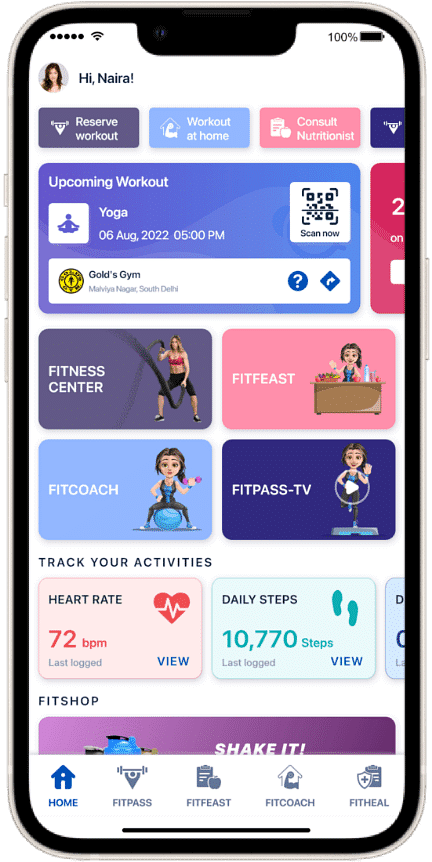
Your exercise intensity, technique and breathing should all aim at keeping a normal heartbeat rate. For the best assistance on cardio workouts, sign up for FITCOACH today. Our dedicated AI-based fitness coach will not only curate heart-healthy workouts of just the right intensity, but also self-adjust your fitness plan based on your fitness graph.