Loading...
loading...



Yes, high-intensity workouts can burn more calories and fat in a shorter time. However, they may not be sustainable or suitable for everyone. A balanced approach often yields better long-term results.
Absolutely. If you stay consistent and pair your workouts with a calorie-controlled diet, low-calorie burn workouts like walking or yoga can support effective fat loss.
2–3 times a week is ideal for most people. Make sure to allow rest days in between to let your muscles recover and avoid burnout.
Cardio burns more calories during the session, but strength training helps you burn more calories over time by building lean muscle. Combining both is best for overall fitness and fat loss.

Table Of Contents
Whether you’re just starting your fitness journey or are looking to fine-tune your workouts, understanding the difference between high-calorie burn exercises and low-calorie burn workouts can help you maximise your results. From intense sprints to calming yoga sessions, every workout has its benefits, but which one is truly the best exercise for weight loss? The answer depends on your goals, fitness level, and how your body responds to different intensities.
Before diving into high vs low-calorie burn exercises, it’s important to understand how many calories exercise burns and why it matters.
Calories are a measure of energy. When we eat, our bodies store this energy, and when we move, we burn it. Different activities use up different amounts of energy depending on their intensity, duration, and your body composition.
For instance, a 70-kg person might burn:
But burning calories is not the only goal. Sustainability, enjoyment, and physical limitations all play a role in choosing a workout.
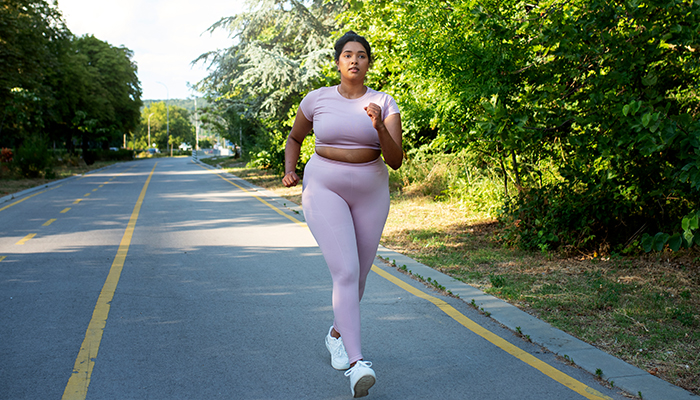
High-calorie burn workouts are those that demand a lot of energy in a short time. These include:
These workouts significantly increase your heart rate, boost metabolism, and burn calories even after you finish exercising, a phenomenon known as EPOC (excess post-exercise oxygen consumption).
A 2017 study published in the Journal of Sports Sciences found that HIIT could result in greater fat loss compared to traditional cardio, even when calorie expenditure during the session was matched. This is due to the metabolic afterburn HIIT triggers.
However, high-intensity exercises are not ideal for everyone. Beginners, people with injuries, or those managing chronic health conditions may find them overwhelming or risky
Low-intensity steady state (LSS) exercises or low-calorie burn workouts involve maintaining a consistent pace over a longer duration. Think of:
They might not torch as many calories per minute, but they’re easier to stick to. And sustainability plays a big role in long-term fat loss and fitness gains.
Low-intensity workouts may also support fat oxidation, meaning a higher percentage of energy comes from fat compared to high-intensity training that primarily uses glycogen. This makes them useful when integrated into a fat loss plan.

When it comes to calorie-burning workouts, cardio tends to take the spotlight. But strength training holds its own. While it may not always burn more calories during the workout itself, strength training increases lean muscle mass, which in turn boosts your resting metabolic rate.
According to Harvard Medical School, a person weighing 70 kg can burn around:
However, strength training offers long-term benefits in terms of improved body composition, better posture, and greater functional fitness. Plus, the more muscle you have, the more calories you burn at rest.
Combining cardio and strength training offers the best of both worlds: calorie burn and muscle gain. Whether you're looking for exercise intensity and fat loss or overall health improvement, a blend is your best bet.
Here's a simple breakdown of calorie expenditure by activity for a 70-kg person (approximate values per 30 minutes):
| Activity | Calories Burned |
| Running (10 km/h) | 400-470 |
| HIIT | 350-450 |
| Swimming (moderate) | 250-300 |
| Strength Training | 180-250 |
| Brisk Walking (5-6 km/h) | 140-180 |
| Gentle Yoga | 120-160 |
These numbers vary depending on age, sex, intensity, and duration. But they offer a helpful comparison of workout calorie burn for different types of training.
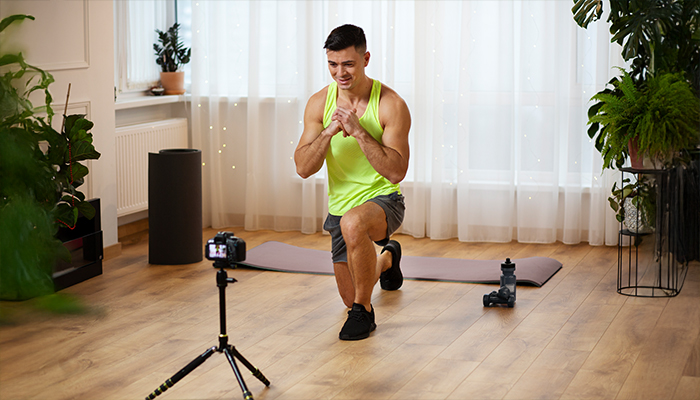
Everyone’s body is different. That’s why choosing the right workout for your goals is key. Do you want to lose fat fast? Gain strength? Improve heart health? Reduce stress? Your goals should dictate your workout strategy.
Consider:
Fitness is not one-size-fits-all. Personalised fitness routines yield better results because they align with your lifestyle, abilities, and interests.
HIIT deserves its own spotlight. Not only does it offer high-calorie-burning exercises, but studies show that HIIT can improve VO2 max, insulin sensitivity, and even reduce abdominal fat.
But remember, HIIT also carries a higher recovery cost. Overdoing it without proper rest can lead to fatigue or injury.
LISS might not be trendy, but it’s powerful. Walking an hour a day can create a substantial weekly calorie deficit, especially when combined with a healthy diet. It’s also gentle on the body, easy to recover from, and great for mental clarity.
In fact, a daily LISS workout can be the secret weapon for long-term consistency, something many intense programmes lack. You don’t need to be out of breath to be burning calories effectively.

So, which wins, high vs low-intensity exercise? The answer: both have their place.
High-intensity workouts are ideal when you need quick results, have limited time, or want to challenge your body. Low-intensity workouts are perfect for recovery days, mental well-being, and creating a sustainable long-term routine.
The smartest strategy? Cycle through both throughout your week:
This balance helps maximise calorie burn, reduce injury risk, and keep your motivation high.
Understanding how exercise intensity affects fat loss is just one piece of the puzzle. The key is consistency, variety, and listening to your body. Whether you're doing yoga in your living room or sprinting on a track, every movement counts. Choose exercises that align with your goals, abilities, and lifestyle.
Don’t chase every trend. Create your own path with a routine that’s right for you.