“Abs are made in the kitchen, only revealed when you train right.”
FITPASS nutritionists believe that good food has to be something you love eating every day. A healthy diet is 70%, and whatever remains of 30% is workout and recovery. Where many fitness enthusiasts like you take the blow is choosing a diet plan that worked for others in the same workout progression.
Let’s understand this before we jump into the 5 best foods to fuel your bodyweight training.
Where Does a Fitness Diet Go Off the Mark?
Sometimes, beginners think they are following the “good” diet and working out really well, yet they feel fatigued after intense exercise. The thing is, you are unique, and your body may need more of some specific micronutrients. To pull off a good bodyweight workout, your body needs water-soluble and fat-soluble vitamins, besides macrominerals and micronutrients. Continuing the same workout routine with no personalised changes eventually makes people feel weak as a kitten. These are vital vitamins and minerals a body may need more of when you begin a solid workout routine:
|
Nutrient group
|
Examples
|
How It Supports Bodyweight Workouts
|
|
Water-soluble vitamins
|
Vitamin C and B-complex vitamins.
|
These vitamins must be replenished regularly through diet, as they are not stored in the body, and workouts usually burn these soluble vitamins very fast.
|
|
Fat-soluble vitamins
|
Vitamins A, D, E, and K.
|
The body needs these fats to sustain itself for longer periods.
|
|
Major minerals
|
Calcium, phosphorus, magnesium, sodium, and potassium.
|
They are needed to build and maintain body structures and fluids.
|
|
Trace minerals or microminerals
|
Iron, zinc, iodine, copper, manganese, and selenium.
|
The body needs trace minerals in tiny amounts for oxygen transport, immunity, and enzyme function in the body.
|
A body with an inadequate diet surrenders to tiredness. The right fuel for the body is what makes the exercise beneficial for fitness progression. Are you hoping to begin with bodyweight training?
A personalised diet with FITPASS is based on the following:
- Body metrics
- Workout goals
- Training velocity
- Personal food preferences
Consult with a FITPASS dietitian for a personalised meal plan specifically designed for your body and daily physical activity.
5 Foods to Boost Your Bodyweight Training
Amp up your exercise with these 5 foods for the big gains.
Eggs
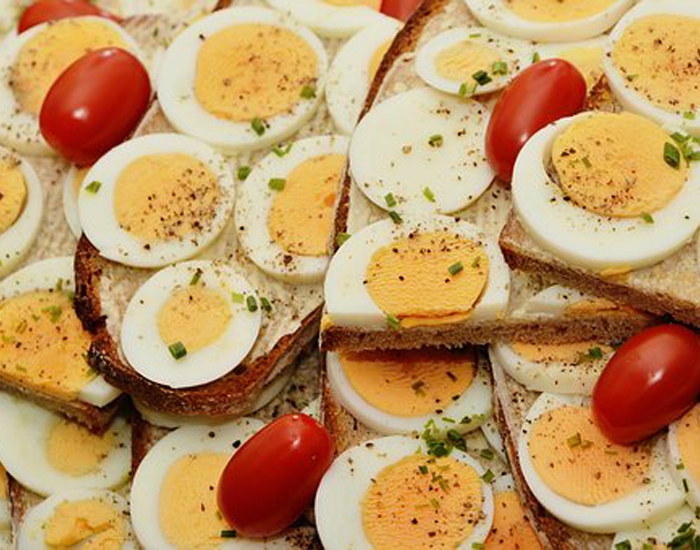
An egg is a standout amongst the most complete and adaptable foods accessible. One large egg = 6 g of high-quality protein and 0.5 g of leucine, which is the key amino acid that flips the muscle-building switch. It plays an important role in giving a solid eating routine to all (particularly those who train hard). Eggs are a complete bundle of high-quality protein with fundamental nutrients required by the body to develop and keep up. Roughly 3–4 whole eggs give you 18–24 g protein and 1.6–2.2 g leucine, close to the “leucine threshold” (2.5–3 g) for max MPS in one meal.
|
🥚 Welcome to the Egg Talk
Here are some interesting things about eggs:
- Egg protein is 90–100% bioavailable.
- Your body uses almost every gram of it.
- Yolk nutrients include vitamin D, choline, and healthy fats.
- Having whole eggs post-workout drives more muscle protein synthesis than egg whites alone.
|
Oats
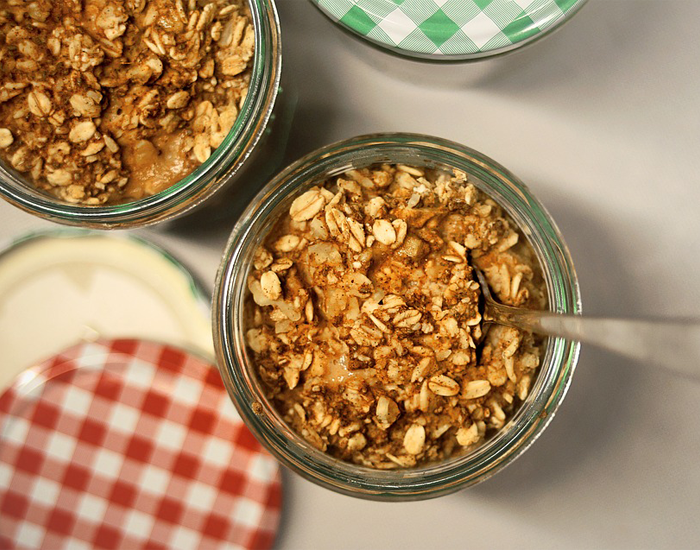
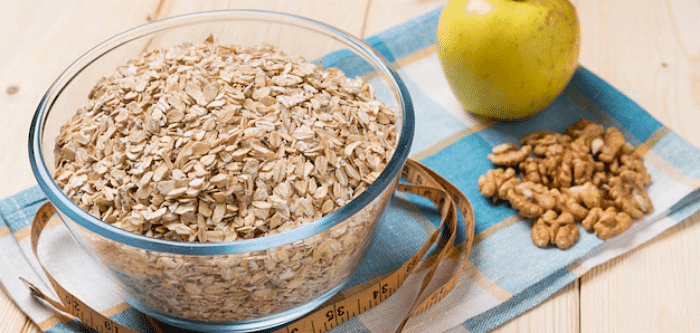
Oats are a definitive pre-exercise meal. This pre-exercise nourishment contains complex starches and is additionally an incredible source of the soluble fibre beta-glucan. Consuming oats around 2 hours before bodyweight training and cardio exercises will fulfill your appetite and keep you going strong throughout your exercise with a moderate-release energy. Most fitness enthusiasts love to have oats as a pre-training carb base with milk, banana, or nuts. Just 40 g of dry oats give 150 kcal, 5 g protein, 27 g carbs, and 4 g fibre.
|
🥣 Oats for Smart Starts
Oats are a good slow-release fuel for steady energy during long bodyweight training.
- Rich in beta-glucan fibre. It smooths blood-sugar spikes.
- Oats support gut health, indirectly helping recovery and immunity.
- Low-to-moderate GI means fewer energy crashes mid-workout.
Love oats? Here’s a good read on how to use oats for weight gain.
|
Peanuts
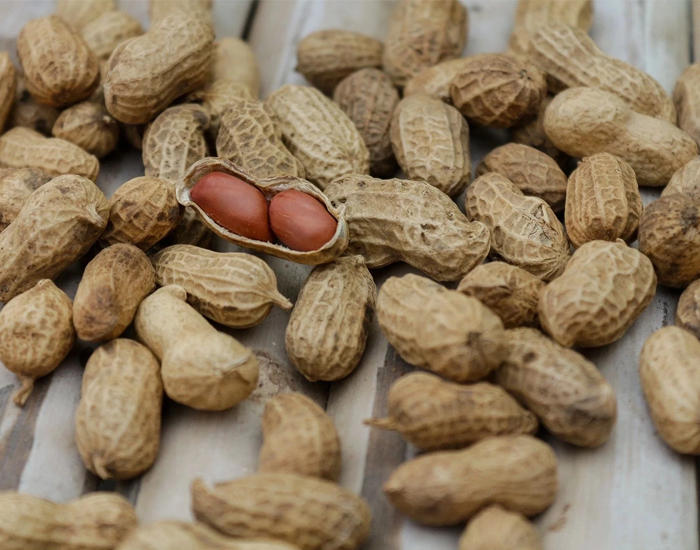
Peanuts hold off appetite without being difficult to process. Having peanuts post-exercise gives healthy protein and fats that the body needs. Protein is key in building and fixing muscles. From this standpoint, they are advantageous and effective. Just 30 g of dry-roasted peanuts offer 180 kcal, 7–8 g protein, 15 g fat, and 2–4 g carbs. This makes peanuts one of the most loved compact, calorie-dense snacks for strength training days.
|
🥜 Peanuts for the Cuts
- Among all nuts, peanuts are protein leaders.
- They are ideal for plant-based lifters topping up daily protein.
- They have healthy mono- and polyunsaturated fats that support hormone production (including testosterone) and joint lubrication over time.
- Peanuts contain arginine, a precursor to nitric oxide, which helps to pump blood during high-rep bodyweight training.
|
Coffee
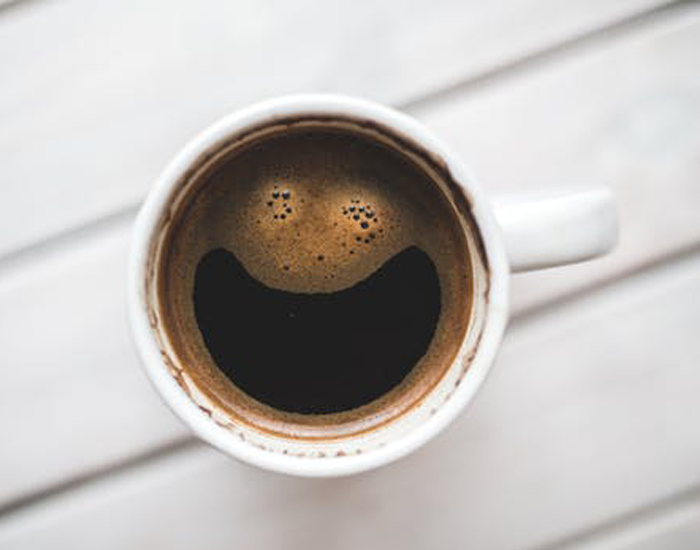
As much as coffee smells good, it is an amazing aid for fitness enthusiasts. Taking 3–6 mg of caffeine per kilo of body weight is proven to be an ergogenic aid. It boosts endurance and strength. You can prepare for a more prominent power output and additionally train longer to perform better. Alongside this, it improves concentration and helps with weight reduction as well. Even moderate doses (1–2 strong cups) can lift performance without jitters for most. But the best dietitians recommend taking into account your body weight and muscle mass before recommending a dosage.
|
☕ Coffee Pe Charcha
- Pre-workout coffee can increase time-to-exhaustion.
- Effects peak 45–60 minutes after intake.
- Coffee boosts bodyweight training volume, helping with extra reps.
- Enhances focus and pain tolerance, helping you push through handstands and muscle-ups.
|
Banana
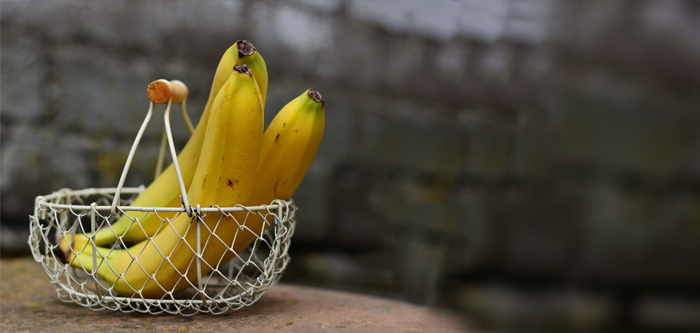
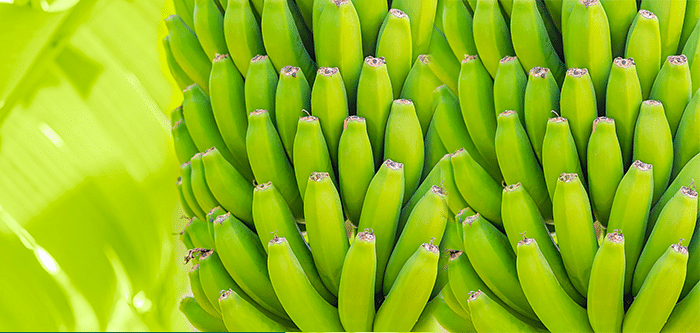
Bananas boost your wellness and recovery quickly. One medium banana offers 27 g carbs + 105 kcal. It is digestible energy for pre- or intra-workout fuel. The sugar in bananas enters the circulatory system faster than different organic products. It's also gentle on the stomach and an excellent source of potassium (K). This can reduce your risk of muscle spasms. It also replenishes the electrolytes you lose through perspiration. The evidence on cramp prevention is mixed, yet bananas are known to help with muscle cramps. Bananas are a smart, portable carb + electrolyte snack. All in all, bananas are an excellent pick recommended by the best dietitians in India. The best part? They naturally come in organic packaging.
|
🍌 No Wonder Minions Love Bananas!
- Provides 420 mg potassium (10–12% of the daily value).
- Bananas support nerve signalling and muscle contraction, key for high-rep circuits.
- Carbs replenish glycogen, helping you sustain intensity for bodyweight training.
|
Interested in knowing why nutrition matters today?
Check out our guide on the boom of precision nutrition in India.
FITPASS Takes You a Rep Further
You do not have to be a wellness aficionado. Athletes often search for ways to improve their execution and accomplish their objectives. Great nutrition enables your body to perform better and recover quicker after every exercise. An ideal diet and food intake before exercise enable you to boost your execution. All while limiting muscle harm. Use these as your “bodyweight five" in your diet.
- eggs for repair and protein.
- oats for weight gain and endurance fuel.
- peanuts for dense nutrition.
- coffee for an edge.
- banana for quick energy and electrolytes.
Next up, we have another guide on the best foods to have for pre-workouts and post-workouts.
FITPASS is one seamless platform for all your fitness and nutrition needs.