10 Little Things That Make You Gain Weight - And What To Do Instead!
Table Of Contents
Weight gain doesn't always happen because of major lifestyle changes. Sometimes, it's the little things that make you gain weight – those small daily habits that seem harmless but can add up over time. If you've been wondering why your clothes are feeling snug or why the scale keeps creeping up, the answer might lie in these sneaky weight gain causes.
In this blog, we’ll uncover hidden reasons for weight gain and offer simple solutions to help you take back control. The best part? You won’t need a complicated diet or a drastic fitness routine. Just small adjustments can go a long way.
1. Drinking Sugary Beverages
One of the most overlooked unintentional weight gain is your daily drink. Fizzy drinks, bottled juices, energy drinks and even sweetened teas are full of empty calories. These drinks spike your blood sugar and make you hungrier later.
What to do instead:
Choose water, herbal teas, or infused water with lemon, cucumber, or mint. If you crave sweetness, go for fresh fruit juices made at home, but in moderation. This helps you avoid drinking sugary beverages and weight gain while still enjoying something tasty.
2. Mindless Snacking

Snacking while watching TV, scrolling through your phone, or even working can cause you to eat much more than you realise. You’re not paying attention, so your brain doesn’t register how much you’ve eaten. This leads to mindless snacking and weight gain.
What to do instead:
Practice mindful eating. Take a break, sit down, and focus on your food. Choose healthy snacks like nuts, fruits, or yoghurt. Keep processed snacks out of sight and portion your snacks into a small bowl instead of eating from the packet.
3. Lack of Sleep
Not getting enough sleep throws your hunger hormones off balance. When you're tired, your body produces more ghrelin (the hunger hormone) and less leptin (the fullness hormone). This is a key factor in the lack of sleep and weight gain.
What to do instead:
Aim for 7–8 hours of good-quality sleep every night. Keep gadgets away before bedtime and follow a calming night-time routine. A well-rested body makes healthier food choices and stays more active throughout the day.
4. Chronic Stress
Feeling stressed regularly triggers the release of cortisol, a hormone that increases appetite and encourages fat storage, especially around the belly. This makes stress eating causes weight gain, a real problem for many.
What to do instead:
Try stress-reducing activities like yoga, deep breathing, going for a walk, journaling, or talking to a friend. When cravings strike, pause and ask yourself if you're truly hungry or just emotionally triggered.
5. Sedentary Behaviour
Even if you hit the gym for an hour, sitting for the rest of the day can still lead to sedentary behaviour and weight gain. Your body needs movement throughout the day to burn calories and keep your metabolism active.
What to do instead:
Take short breaks every hour. Stretch, walk around, or do light chores. Use a standing desk if possible. Incorporate movement into your day in small ways – take the stairs, walk while on calls, or do a quick 5-minute workout.
6. Processed Food Consumption

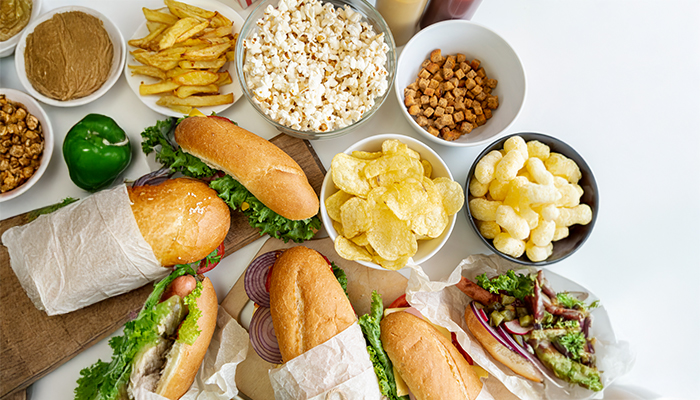
Ready-to-eat meals, packaged snacks, and fast food are often loaded with added sugars, unhealthy fats, and salt. These foods can trick your brain into overeating, causing processed food weight gain.
What to do instead:
Cook more at home using fresh ingredients. Look at food labels and avoid items with a long list of unfamiliar ingredients. Choose whole foods like fruits, vegetables, whole grains, lean proteins, and healthy fats for better satiety and nutrition.
7. Eating Large Portion Sizes
Portion distortion is real. Restaurants and even home meals often serve more than a standard portion size. Over time, this leads to large portion sizes and weight gain without you even noticing.
What to do instead:
Use smaller plates to naturally limit how much food you serve. Learn proper portion sizes (e.g., a palm-sized portion of protein, a cupped-hand portion of carbs). Listen to your body’s hunger cues and avoid going back for seconds unless you’re truly hungry.
8. Side Effects of Medication
Some common medicines, such as antidepressants, corticosteroids, and even antihistamines, can slow your metabolism or increase your appetite. This leads to medication side effects weight gain, which can be frustrating if you're trying to stay fit.
What to do instead:
Don’t stop your medication without talking to your doctor. Instead, discuss alternatives or dosage adjustments with your healthcare provider. Stay active and eat mindfully to manage weight while on medication.
9. Skipping Meals
Skipping meals, especially breakfast, can backfire. It slows down your metabolism and often leads to overeating later in the day, causing skipping meals and weight gain.
What to do instead:
Eat balanced meals every 3–4 hours to keep your energy stable. Include protein, healthy fats, and complex carbs in each meal to feel fuller for longer. Skipping meals won’t help you lose weight; in fact, it might do the opposite.
10. High-Sodium Foods and Water Retention

High-salt foods don’t just make you thirsty – they cause your body to hold onto water, which leads to bloating and temporary weight gain. This is one of the hidden reasons for weight gain that many people miss.
What to do instead:
Limit processed and packaged foods, which often hide excess salt. Cook fresh meals with herbs and spices instead of salt. Drink plenty of water to flush out excess sodium and reduce bloating.
Final Thoughts: You Can Take Charge
Weight gain isn't always about overeating or being lazy – it’s often about those sneaky weight gain causes that sneak into our daily routine. From drinking sugary beverages to skipping meals, the triggers can be small but significant.
Now that you're aware of these little things that make you gain weight, take small, consistent steps to change them. It doesn’t have to be perfect – just better than yesterday. Start with one habit at a time, and you’ll notice big changes before you know it.
Why am I gaining weight even though I eat healthy?
You may be facing hidden reasons for weight gain, such as high sodium intake, large portion sizes, poor sleep, or a sedentary lifestyle. Even healthy food in excess can lead to weight gain.
Can stress make me gain weight?
Yes. Stress eating can lead to weight gain due to increased cortisol levels, which heighten appetite and encourage fat storage, particularly around the abdomen.
Is skipping meals a good way to lose weight?
No. Skipping meals can lead to weight gain because it slows your metabolism and increases the likelihood of overeating later. It’s better to eat small, balanced meals throughout the day.
How can I avoid gaining weight from medication?
Speak to your doctor about alternatives or adjusting your dose. Stay active, eat nutritious meals, and monitor your weight to counter medication side effects and weight gain.