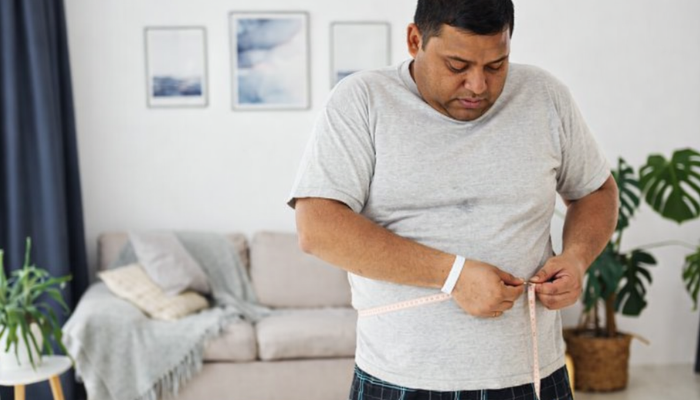
A liiiittle chubby? The ramp walk to osteoarthritis is never cute. It is worse if caused by weight gain and obesity, not old age. World Obesity Day is observed on the 4th of March every year. Its significance matters now more than ever. A report by the Indian Council of Medical Research (ICMR) notes that nearly 1 in 4 adults in India is overweight or obese.
We cannot help but pause to look at how these issues connect.
On World Obesity Day, we give you a deep dive into why early-onset osteoarthritis is no longer an old-age problem in India. It’s a looming danger for the youth of the country. This blog discusses how weight gain, a sedentary lifestyle, and nutrition choices set you up for early-onset osteoarthritis.
The Growing Obesity Problem in India
What does an average Indian’s workweek look like? Every morning begins the same way for many young professionals in India. People wake up. Sit through traffic. Sit through work and then get back home. That is over 10 hours. If you give it a thought, your body has barely moved by the time the day ends. This is called having a sedentary level of activity. If you gain weight in a sedentary lifestyle, it compounds over the months. Since there are low levels of physical activity, the metabolism also takes a hit. That is why it becomes even more difficult to maintain weight.
Check your BMI with the right health calculator using WHO and Indian standards.
Sedentary Lifestyle in India
Having a sedentary level of activity means that 1.5 METs or more are burned. People often say that a sedentary lifestyle means a lot of sitting, sitting, and sitting. Let’s understand what it actually means to have a sedentary lifestyle from a level of activity POV. Metabolic Equivalent of Task (MET) is the energy you expend over a unit of time. Basically, it is the rate at which we burn calories. It’s the working metabolic rate relative to your resting metabolic rate. For context, 1 MET is resting metabolism when you are at rest, doing nothing. Having a sedentary lifestyle means your physical activity levels are basically similar to someone doing nothing (Don’t come at us for this!).
We know you juggle a lot of responsibilities. However, let’s add one more thing to the list. Taking care of your physical activity levels during the workweek.
How to get out of the sedentary trap?
All it takes is some level of physical activity to come out of this sedentary zone. At FITPASS, we say any amount of physical exercise is better than none. We believe it is best to achieve your fitness goals and maintain a healthy body for years to come. Here is the workweek of an average Indian youth alongside the recommended physical activity.
|
Recommended Physical Activity for Indian Youth (7 Days)
|
|
Workweek
(Age 18-60+)
|
Minimum Level of Required Physical Activity (Moderate)
|
High-Intensity Physical Activity (Vigorous)
|
|
50-hour
|
2.5 to 5 hours
|
1.25 to 2.5 hours
|
|
45-hour
|
2.5 to 5 hours
|
1.25 to 2.5 hours
|
|
40-hour
|
2.5 to 5 hours
|
1.25 to 2.5 hours
|
|
30-hour
|
2.5 to 5 hours
|
1.25 to 2.5 hours
|
No matter the workweek, all you need is 1-2 hours per week devoted to intense workouts. Start 20-minute HIIT workouts every day or do it all on Sunday if that is what you can manage.
For seniors above 60 years of age, it is best to do multicomponent physical activity and work out at least three days a week. This is advised for balance, stability, and strength training in older ages. As the body loses agility, mobility workouts and strength training workouts ensure that an individual can age gracefully into old age.
The knees start to feel stiff when you climb stairs. A dull ache settles in your joints. This silent shift tells a bigger story about health in India today. And it sits at the intersection of two growing concerns:
- Obesity
- Joint degeneration
PM Modi’s Call to National Action for Obesity
In 2025, PM Modi's Independence Day speech was nothing short of an appeal to make India fit again. India has long borrowed WHO standards, so why this sudden need for an obesity guideline? Well, the Indian genetics are a little diverse in many ways. So experts argued for homegrown ones tailored to South Asian body types. Guidelines with lower BMI cutoffs are overweight at 23 kg/m² and obese at 27.5 kg/m².
“Obesity is becoming a silent crisis in our homes… If every family reduces cooking oil by just 10%, imagine the impact on the nation’s health.”
~Prime Minister Sh. Narendra Modi ji
(India’s 79th Independence Day Speech at the Red Fort)
Soon after the speech, the Health Ministry asked ICMR to create India-specific obesity guidelines from scratch. This was an attempt to build something made for Indian genes, Indian workweeks, Indian kitchens, and Indian lifestyles.
There have been attempts made previously towards recreating the guidelines for India. ICMR diabetes guidelines came out in 2018. And they only briefly touched on obesity management in India. This included some lifestyle changes for moderate cases and bariatric surgery for severe cases. That was it.
But today, India is facing a steady rise in obesity. Not just among older adults. Young professionals, teenagers, and even children are now part of this trend. According to the World Health Organization, global obesity has nearly tripled since 1975. India is no exception. Recent estimates suggest that over 135 million Indians are affected by obesity.
Here are the top factors driving this change:
- urban lifestyles
- 9-5 desk job workweeks
- processed foods
The Indian Council of Medical Research recorded that nearly 1 in 4 adults in India is either overweight or obese. The reasons are not surprising. Long workweeks. And 1.5 METs or lower due to less physical activity. Modern lifestyles make it easy to gain weight and difficult to lose it. Excess weight does more than change how we look. It changes how our body functions.
And one of the first places it shows up is in our joints.
When Extra Weight Reaches Your Joints
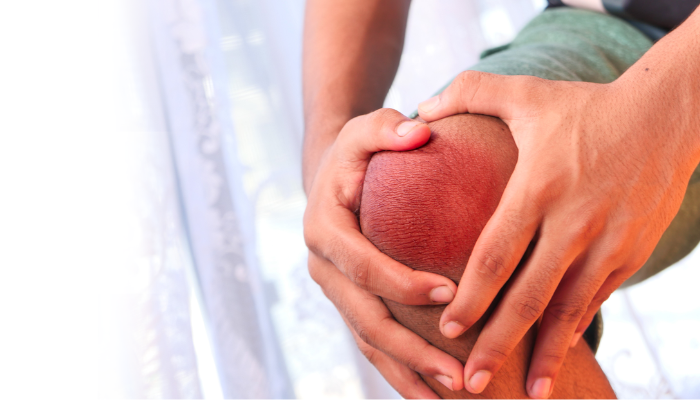
Our joints carry the load of our body every day. Research shows that every additional kilogram of body weight adds almost four kilograms of pressure on the knee joint. Can you imagine adding extra weight to that load? Over time, this stress begins to wear down cartilage. Cartilage is the soft cushion that protects joints.
When the weight reaches your joints and you do not have the muscle support, this cushion begins to break down. Hence, the joint loses its smooth movement, and your squeaky joints era begins. This condition is called osteoarthritis. Traditionally, osteoarthritis was seen as a disease of aging. People expected it in their 60s or later. But things are changing. Doctors now see joint degeneration in people in their 30s and early 40s.
Obesity is one of the biggest reasons behind it.
Reversing The Early-Onset Osteoarthritis
The truth about obesity and osteoarthritis: It is a slow disease that breaks down your skeletal structure. Obesity paired with a sedentary lifestyle in India is making early-onset osteoarthritis more common than ever. To counter obesity, small daily actions can slowly reverse the trend. Maybe brisk walks after work? Or a morning walk before breakfast? Strength training twice a week or HIIT sessions every Sunday? These habits may feel small today. But they build stronger joints, healthier bodies, and more active lives.
This World Obesity Day, the conversation should go beyond weight.
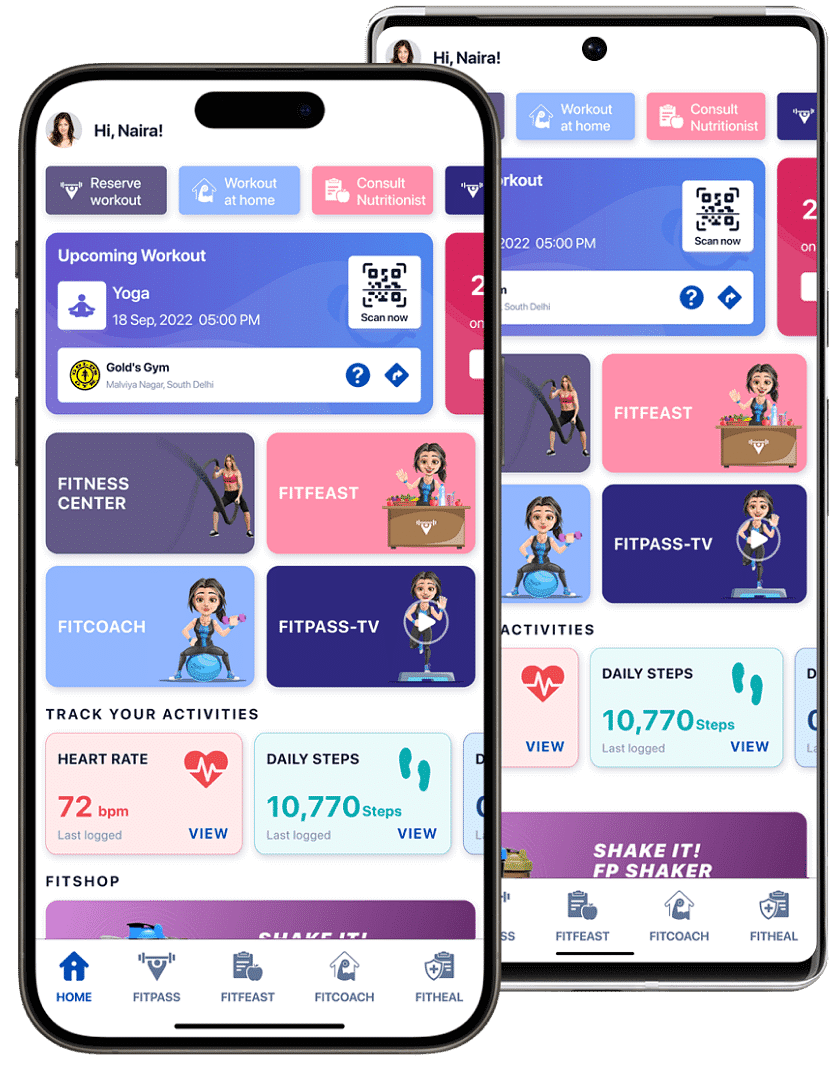
At FITPASS, we are all about movement and variety in workout formats that best fit your lifestyle. Moving more sure helps to reduce the waistline. But it also protects our joints, mobility, and our ability to live life fully for years to come.
Get real with your fitness goals this year with FITPASS by your side.