Abdominal obesity, often referred to as central obesity, is emerging as a silent health crisis in India. Unlike generalised obesity, which is measured by Body Mass Index (BMI), abdominal obesity focuses on the accumulation of fat around the waist and visceral organs. This condition poses severe health risks, including cardiovascular diseases, diabetes, and metabolic syndrome. With rapid urbanisation, changing lifestyles, and dietary habits, abdominal obesity has become a pressing public health issue across the country.
Abdominal obesity in India is defined by waist circumference thresholds: 90 cm or more for men and 80 cm or more for women. Studies show that abdominal obesity is more prevalent than generalised obesity in India, affecting both urban and rural populations. Alarmingly, nearly 40% of Indian women and 12% of men are abdominally obese, with higher prevalence rates in urban areas like Delhi, Kerala, and Punjab.
The phenomenon is not just limited to adults; even children and adolescents are increasingly affected due to sedentary lifestyles and unhealthy eating patterns. This trend underscores the need for urgent public health interventions.

Abdominal fat is particularly dangerous because it includes visceral fat that surrounds vital organs. This type of fat is metabolically active and contributes to several health risks:
- Cardiovascular Diseases: High waist circumference significantly increases the risk of heart attacks and strokes.
- Type 2 Diabetes: Abdominal obesity is a major contributor to insulin resistance, leading to diabetes.
- Metabolic Syndrome: A cluster of conditions, such as high blood pressure, high blood sugar, and abnormal cholesterol levels, often accompanies abdominal obesity.
- Cancer Risks: Studies indicate that central obesity triples the risk of certain cancers like breast cancer in women.
- Joint and Back Pain: Excess abdominal weight puts additional strain on joints and the lower back.
These risks highlight why addressing abdominal obesity should be a national priority.
India's rapid urbanisation has led to a surge in sedentary jobs that involve prolonged sitting. Research shows that individuals in desk jobs are 20% more likely to develop abdominal obesity than those in physically demanding roles. The lack of physical activity combined with long hours at work exacerbates fat accumulation around the waist.
The Indian diet has shifted towards energy-dense foods that are low in nutrients but high in calories. Increased consumption of processed foods, sugary beverages, and fried snacks contributes significantly to central obesity prevalence.
Women in India exhibit higher rates of abdominal obesity compared to men. Hormonal changes during menopause and cultural factors like reduced physical activity among women contribute to this disparity.
Higher socioeconomic status often correlates with increased access to calorie-rich diets but reduced physical activity due to lifestyle changes. Interestingly, urban residents show higher rates of abdominal obesity compared to rural populations.
The most common method for assessing abdominal obesity is measuring waist circumference. For Indians, the World Health Organisation (WHO) Asia-Pacific guidelines recommend thresholds of 90 cm for men and 80 cm for women. Waist-to-hip ratio (WHR) is another metric used to evaluate central obesity's health risks.
However, awareness about these measurement standards remains low among the general population. Public health campaigns must focus on educating people about these metrics to promote early detection and intervention.
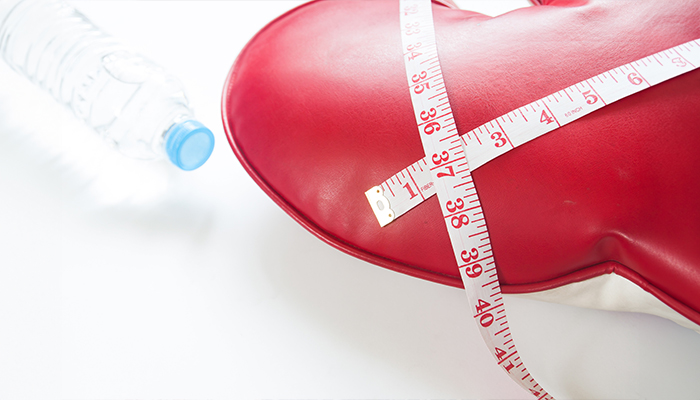
One of the most alarming consequences of abdominal obesity is its link to cardiovascular disease (CVD). Visceral fat releases inflammatory markers that contribute to plaque formation in arteries, increasing the likelihood of heart attacks and strokes. Studies indicate that individuals with high waist circumferences are at a significantly higher risk of developing CVD than those with normal measurements.

To combat this growing crisis, India needs a multi-pronged approach:
- Awareness Campaigns: Educating people about obesity health risks through community programmes.
- Promoting Active Lifestyles: Encouraging physical activity through initiatives like FITPASS, which provides access to gyms across cities.
- Dietary Interventions: Platforms like FITFEAST by FITPASS can help individuals adopt healthier eating habits through personalised diet plans.
- Policy Measures: Government regulations on processed foods and sugary beverages can reduce their consumption.
- Workplace Wellness Programmes: Employers can promote active breaks and standing desks to counter sedentary behaviour.

FITPASS offers an innovative solution for urban Indians looking to stay fit amidst busy schedules. By providing access to multiple fitness centres across cities, it encourages regular exercise—a crucial factor in reducing abdominal fat.
Additionally, FITFEAST by FITPASS offers personalised nutrition plans customised to individual needs. These services empower users to make informed dietary choices that can curb central obesity prevalence effectively.
Despite its widespread prevalence, awareness about abdominal obesity remains low among Indians. Many people fail to recognise the health risks associated with a larger waistline until they experience severe complications like diabetes or heart disease. Public health campaigns need to address this gap by highlighting the importance of regular waist circumference checks and adopting healthier lifestyles.
Abdominal obesity is not just a cosmetic concern; it is a silent epidemic threatening the health of millions across India. By raising awareness, promoting active lifestyles through platforms like FITPASS, and encouraging healthier dietary patterns with services like FITFEAST by FITPASS, we can take meaningful steps toward tackling this crisis head-on.