Entrepreneurial life tests body and mind. Long hours, stress, unpredictable routines, and travel all chip away at performance. Fitness does more than improve appearance or longevity; it sharpens focus, reduces stress, improves sleep and increases resilience. When entrepreneurs invest time in exercise and structured wellness, they invest directly in their company’s performance.
Key Takeaways
- Regular physical activity boosts cognitive function, decision-making and resilience, all vital for running a business.
- Exercise reduces stress and improves mood, helping founders manage pressure and lead teams more calmly.
- Active entrepreneurs see fewer sick days, better presenteeism and higher sustained productivity, which supports growth.
- Practical routines, short morning workouts, movement breaks, and consistent sleep deliver outsized returns in focus and creativity.
- Start small, measure impact, and treat fitness like any other strategic investment in the business.
Fitness isn’t a Hobby; It’s an Operating System for Performance
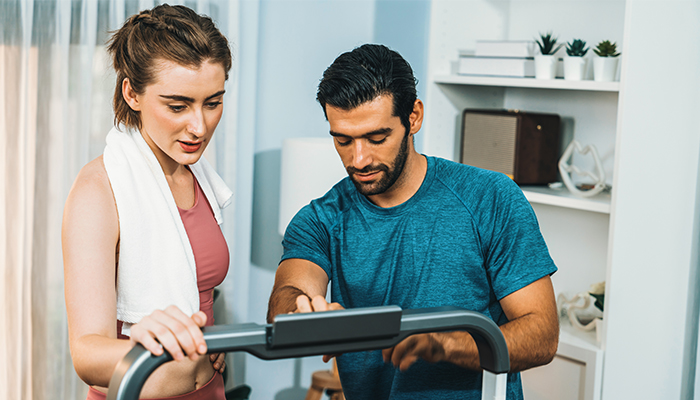
When a founder treats fitness as a scheduled, non-negotiable activity, it changes the way they show up. Exercise triggers physiological changes, including increased blood flow to the brain, improved neurotransmitter balance, and better sleep hygiene, which collectively enhance cognitive function and decision-making. Multiple systematic reviews show that aerobic and resistance training improve executive function, memory and attentional control, capacities entrepreneurs rely on for strategy and prioritisation.
Because of this, fitness becomes an operating system: it improves the tools you use to run the business, your memory, focus, energy and emotional regulation. That’s a measurable advantage when you need to iterate quickly, manage stakeholders, or pivot under pressure.
Productivity and Fitness: The Business Case
Investors and boards often ask for numbers. Fitness delivers them indirectly but convincingly. Organisations that promote workplace physical activity report reduced absenteeism and improved presenteeism; employees show up and perform better. For founders, the individual benefits scale to the team: a founder who is more energetic and less stressed influences culture, decision speed, and employee retention. Evidence links physical activity with lower unplanned illness-related absenteeism and improved job performance.
A less obvious effect is that exercise sharpens creative thinking. Many entrepreneurs find their best ideas come during a run, a swim, or a brisk walk. That creative boost matters because innovation drives product-market fit and differentiation.
Why Fitness Improves Mental Clarity and Stress Management
Stress impairs cognitive function and narrows perspective, the exact opposite of what business leaders need. Regular exercise acts as a stress buffer: it reduces baseline cortisol, increases endorphins and supports neuroplasticity. Major clinics and health authorities recommend movement as a primary stress-management tool because it produces immediate mood lifts and longer-term resilience.
Couple exercise with simple mindfulness or breathing practices and you get compounding benefits: clearer thought under pressure, faster recovery after setbacks, and steadier leadership under uncertainty. Founders who practise both physical and mental wellness report fewer burnout episodes and better sustained clarity.
Morning Routine of Successful Entrepreneurs: Movement First

Many successful business owners follow a disciplined morning routine: movement, focused work blocks, and priority setting. A short morning workout, even 20–30 minutes of brisk movement, increases alertness and primes the brain for morning wins. This routine aligns with research showing that even light exercise improves general cognition and executive function across populations.
Practical pattern: wake, hydrate, 20–30 minutes of cardio or strength, 10 minutes of planning, then the deep-work block. This sequence helps entrepreneurs tackle the hardest tasks while mental energy is highest, improving output quality and speed.
Fitness, Sleep and Decision Quality
Exercise helps regulate circadian rhythm, improving sleep quality and recovery. Better sleep feeds back into cognition: clearer memory, enhanced problem-solving, and better impulse control. Entrepreneurs who neglect sleep may compensate with stimulants, but the cognitive cost remains significant. Regular physical activity is a sustainable lever for better sleep and, therefore, better daily decision-making.
Linking fitness to business outcomes: better sleep reduces errors, improves negotiation performance, and makes you less reactive, all critical during scaling or fundraising.
Corporate Wellness for Startups: Culture as a Growth Lever
Startups that prioritise wellness attract and retain talent. Early-stage companies compete for scarce skilled hires; offering an entrepreneur-friendly wellness culture signals that the business cares about long-term human capital. Corporate wellness programmes, even modest ones like weekly group runs, standing desks, or subsidised memberships, improve morale and reduce sick days. Reviews of workplace physical activity interventions show positive impacts on productivity and reduced presenteeism.
A small budget for wellness can yield outsized returns in team energy, creativity and retention. It also sets norms: when leaders model movement breaks and healthy lunches, the team feels permission to adopt similar habits.
How Fitness Supports Risk Management and Resilience

Founders routinely manage risk, market, product, team and cash flow. Fitness builds physiological resilience: stronger cardiovascular systems, improved stress response, and faster recovery after setbacks. Mentally, regular exercise reduces anxiety and increases tolerance for ambiguity. Those traits translate to calmer, more rational risk appraisal.
Resilience isn’t just personal: leaders who stay composed under stress reassure investors, partners and employees. That steadiness can buy time, credibility and better negotiation outcomes when the company faces turbulence.
Practical Entrepreneur Wellness Tips You Can Adopt This Week
Here are practical, evidence-backed steps entrepreneurs can adopt without major disruption:
- Schedule exercise as a meeting: Block it into your calendar and treat it like a non-negotiable appointment.
- Use micro-workouts: 10–20 minute HIIT or strength circuits before the first meeting.
- Move every 60 minutes: Stand, stretch or walk for five minutes to reset attention.
- Mix modalities: Combine aerobic work, resistance training and mobility for cognitive and physical benefits.
- Track sleep and mood: Use a simple journal or app to correlate fitness with productivity.
- Prioritise nutrition and hydration: They multiply the benefits of exercise for energy and focus.
- Create team rituals: Short group workouts or wellness challenges can build culture and accountability.
These steps echo broader findings that even modest activity increases productivity and reduces sick leave.
Fitness Motivation For Entrepreneurs: How to Stay Consistent

Motivation fades; systems last. Use systems that require little willpower: morning routines, habit stacking (exercise immediately after coffee or after a specific meeting), accountability partners or a personal trainer. Celebrate micro-wins: improved sleep, fewer energy slumps, or a calmer response to pressure.
Also, remember that fitness compounds. The clarity gained after a week of regular movement improves your ability to maintain the habit; it becomes self-reinforcing as your business performance benefits.
Measuring ROI: How Founders Can See the Benefits
Treat fitness like any strategic initiative: define metrics and measure. Useful markers include:
- Sleep duration and quality.
- Number of sick days or unplanned downtime.
- Self-rated focus and mood scores.
- Output metrics (tasks completed, meeting efficiency).
- Team engagement and retention figures if you run wellness programmes.
Document changes monthly and compare business periods (product launches, fundraisings) to see where physical fitness affected outcomes. This measurement mindset helps secure buy-in from cofounders and investors.
National Entrepreneurs Day and the Wellness Message

National Entrepreneurs Day provides a useful moment to spotlight entrepreneur wellness in company communications and social campaigns. Use such moments to encourage founders and teams to build fitness into their growth story, linking personal resilience to business resilience and using the day to launch small wellness initiatives or challenges.
Final Thoughts: Treat Fitness as Strategic Capital
Entrepreneurship rewards leverage: the right few inputs produce outsized outcomes. Fitness is one of those inputs. It compounds, it scales through team culture, and it directly improves the cognitive and emotional capacities needed to lead a growing business. Smart entrepreneurs treat wellness for business owners not as optional self-care but as strategic capital, a recurring investment with clear productivity and resilience returns.
Start small, measure the outcomes, and integrate fitness into your leadership identity. Over time, you’ll notice the business benefits: fewer interruptions, sharper decisions, and a culture that values sustainable performance.



How do I convince co-founders or investors that wellness matters?
Present measurable outcomes: reduced sick days, improved team engagement, and founder productivity metrics. Treat wellness pilots like experiments and share data after a month to demonstrate ROI. Reviews of workplace interventions support these outcomes.
Will exercise really improve my decision-making and creativity?
Yes. Research links aerobic and resistance training to improved executive function, memory and attention, all core to decision making. Many founders report that their best creative thinking occurs during movement.
I travel a lot. How can I maintain an entrepreneur's fitness routine?
Use micro-workouts (bodyweight circuits), hotel room mobility flows, brisk walks, and local classes. Pack resistance bands and schedule workouts as calendar appointments to maintain consistency.
How much time should an entrepreneur realistically spend on fitness each week?
Aim for 150 minutes of moderate activity or 75 minutes of vigorous activity per week as a baseline. If time is scarce, 10–30 minute daily sessions, or three focused 20–30 minute workouts, deliver strong benefits.