What did you have for breakfast today?
We are asking because it is one of the most important meals of the day. The studies suggest that even if you are skipping meals for some reason (which you should not; that’s why we are putting out this blog), you must never skip breakfast.
This blog offers a frank perspective on how skipping meals affects the body. We are talking about scientific data and recorded events only. Keep reading to know more about how skipping meals leads to a rise in postprandial glucose levels.

Since you are already here, we understand it’s a matter of concern for you. So it is for a lot of professionals in India. We have highlighted some healthy meals at the end of this blog that you can prepare in under 20 minutes.
Now let’s get to the facts and figures.
How Skipping Meals Affects Your Body
The number of skipped lunches rose with increasing remote work during and after the COVID-19 pandemic. We all know the aftereffect is people started waking up late and eating whenever they wanted. There is nothing wrong with not wanting to eat when you don’t feel like it. But it sure becomes a problem if it becomes a routine.
Understanding Postprandial Glucose Levels

An NCBI Study shows that glucose profiles on the second day of skipping meals are worse, as per the data from the recorded pool of individuals. The postprandial glucose levels (PPGL) check for blood sugar levels 1–2 hours after eating. The normal levels are typically under 140 mg/dL. However, if you skip meals while being diagnosed with diabetes, the following can be your blood sugar levels.
- Prediabetes: 140 to 199 mg/dL.
- Diabetes: 200 mg/dL or higher.
- Diabetes Target: Generally, less than 180 mg/dL
So skipping breakfast and lunch causes the blood sugar levels to be alarmingly high by the time dinner is served. This happens due to impaired insulin response and increased insulin resistance. Let’s take a look at what happens when you skip meals like breakfast, lunch, and dinner.
The Impact of Skipping Breakfast
Again, breakfast is the most important meal of the day.
When you skip breakfast, the blood sugar decreases. Consequentially, the brain demands more glucose to carry out daily life functions. How much? Take a guess. Your brain operates at more than 80% capacity. So here is what happens. The minute your brain does not get more glucose, you lose functionality. The vision becomes impaired. The brain does not function optimally. Neurons stop firing properly. Besides this, the stress hormone, that is, cortisol gets produced in the body.
As a result, you eventually eat more in the next meal to compensate for everything. Even binge eating later in the day.
The Impact of Skipping Lunch
Many people try to play it smart by having breakfast. But then skipping lunch in the afternoon. By that time, your body turns sluggish. The objective of doing this is to reduce the caloric intake for weight loss. However, the contrary happens.
Your organs say, "Oh, there seems to be such a lack of glucose around here.”
Then your brain goes, “Hmmm… store every calorie, fellas. Because, kal ho na ho.”
And then the starvation mode kicks in. Instead of burning calories. The body optimizes storing surplus energy till you eat something eventually. The cycle continues. And this is why skipping meals in the afternoon to lose weight is not a good idea.
The Impact of Skipping Dinner
Just like skipping meals in the morning causes a big gap between calories. Similarly, skipping meals at night also causes a big gap in the caloric intake. This causes fatigue and cravings. To counter this, people usually crave something sweet or sugary at night. That ends up filling your body with a lot of fatty and saturated foods that cripple the metabolism even more. It is best to eat a light dinner and stay awake for a few hours to ease in the calories before you enter the sleep state.
Skipping Meals for Weight Loss: Fad vs Fact
This is a fad. You cannot lose weight by skipping meals and thinking you are cutting down on calories. The body enters a state of starvation. This is extremely dangerous for pre-diabetic and diabetic people. India has 101 million people living with diabetes and an additional 136 million with prediabetes. It is the 2nd highest diabetic population in the world. Besides that, glucose regulation and correct meal intake can add years to the life. But over 50% of the pre-diabetic people do not even know they are at risk of this lifestyle disease.
Here are some of the elements your meals must contain:
- Leafy greens
- Carbs
- Vitamins
- Proteins
- Vegetables
- Millets
Muscle Loss from Skipping Meals
This is the worst-case scenario. And pretty common among beginners on their weight loss journey. When there is a consistent lack of fuel or calories in the body, it starts storing more calories. The body enters a catabolic state when this happens consistently. This means the body draws more calories from the existing muscle mass. This is not the same as burning calories.
This is destroying the body in order to lose weight. Muscle loss from skipping meals results in even more increased levels of cortisol. On the other hand, the metabolism crashes. The long-term effects include a high risk of diabetes and blood sugar irregularities.
Is Muscle Recovery Possible?
The short answer is yes.
Eating consistently at the right intervals of time can help your body regain the muscle mass again. However, the meals also have to be rich in nutrients and vitamins. Especially protein, vitamins, and minerals. With a balanced diet, your body's ability to repair, rebuild, and prepare for future demands is restored.
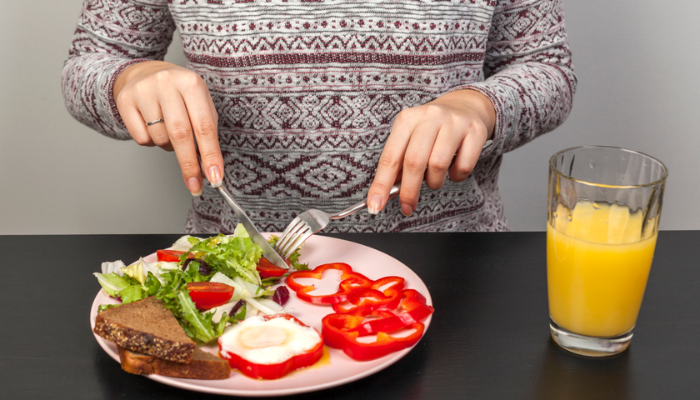
Quick Breakfast Recipes
1. Egg bhurji with multigrain roti:
Egg bhurji with multigrain roti or toast is for high-protein mornings. Scramble two eggs. Cook them with onions, tomatoes, and chilies. Add mild salt. This meal delivers essential amino acids to support muscle repair. You can either prepare multigrain rotis in 10 minutes to go along with your bhurji. It all comes together in under 20 minutes total and keeps you energized throughout the morning.
2. Besan ka chilla:
Besan chilla is a protein-packed breakfast that comes together in under 20 minutes. All you need is gram flour mixed with chopped onions, tomatoes, green chilies, and spices. Pair it with a teekhi chutney or plain curd for added probiotics and flavor.
3. Oats upma with veggies:
This breakfast option is for those who prefer lighter meals. Oats upma comes together in just 10-15 minutes. Roast oats for a few minutes and cook with chopped vegetables. If you like more flavor, add some tadka and spice. You can use curry leaves, methi dana, rai dana, and heeng for the tadka. Oats provide complex carbs and sustained satiety to help regulate your glucose throughout the day. It’s especially useful for those managing weight or blood sugar levels, as we previously discussed in the article.
4. Banana peanut butter smoothie:
We are going shorter and shorter on the recipe time. So hopefully, you never go out without breakfast! Banana-peanut butter smoothie comes together in under 2 minutes. Blend a glass of milk with a spoonful of peanut butter and two bananas. You can also go for creamy curd instead of milk. This smoothie provides you with the following nutrients.
- 350–400 calories
- 20 g of protein
- 60 g of carbohydrates
- 15 g of fat
It can also be consumed as a post-workout meal or breakfast on a busy commute. You get protein, healthy fats, and natural sugars.
In Conclusion
Skipping meals is a fad. There are better ways to lose weight efficiently with combined cardio, HIIT, and mobility workouts. Muscle loss from skipping meals takes years to be restored. Skipping meals is hence the most taxing way to lose weight. We know you do not want to end up with a crippled metabolism and bone density.
So make good nutrition choices with FITPASS.
We help you keep tabs on your wellness and fitness with an all-encompassing solution. Make intelligent nutritional choices with expert dietitians in our panel. Get an easy-to-follow meal plan with strategic meal timing. It is recommended to have a deeper understanding of your body's metabolic needs. This can prevent nutrient depletion and help you bounce back stronger, faster, and more resilient.
Ready to transform your understanding of recovery and give your body the optimal support it deserves?