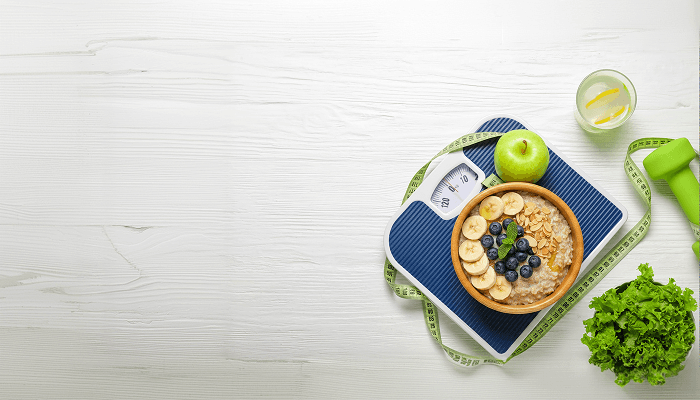
World Vegetarian Day is observed to be on 1 October. Today is a good day to emphasise the impact of clean eating, weight-loss vegetables and a well-planned vegetarian lifestyle.
So you want to start eating right?
Every year, hundreds of people realise they were doing it wrong all this time. Weight-loss vegetables must also be high in fibre and nutrients. Otherwise, it is just another crash diet ruining your metabolism. This blog discloses the top 21 weight-loss vegetables that are high in nutrients but low in calories. Go from amateur to pro-level meals for weight management.
Significance of World Vegetarian Day 2026
Meal planning shows that low-calorie vegetables for weight loss must include spinach.
The significance of World Vegetarian Day 2026 lies in the benefits of green leaf vegetables and healthy root vegetables. Beginners presume that weight-loss vegetables like tomatoes and cucumbers contain fibre. Big no! They offer hydration and satiety. But they barely offer any fibre or nutrients. On the other hand, spinach is the top-level weight-loss vegetable. Spinach contains iron, calcium, vitamin A, vitamin C, and vitamin K, all for very few calories. Hardy root vegetables also offer healthy starches, carbohydrates and minerals that your body needs even on a weight-loss diet.
Weight Management Begins at the Mandi
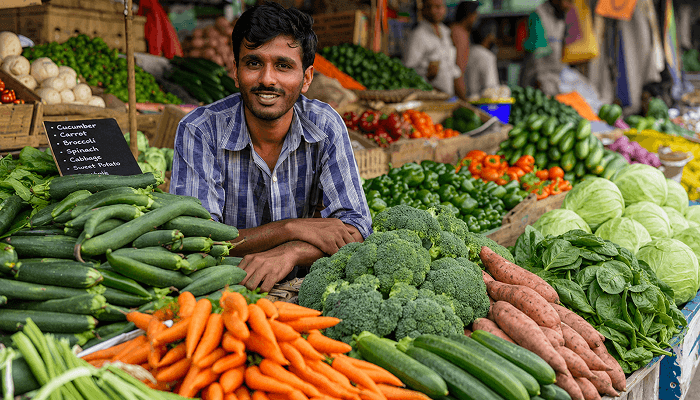
Every country has grocery stores where vegetables can be purchased, and then there are the local farmers' markets. That’s where all the magic happens. You can get the freshest produce, all in one place. In India, we call it the Mandi (सब्जी मंडी).
Indian sabzi mandis are anything but a wonderland for culinary experts and fitness enthusiasts. You can find nutrient-packed seasonal vegetables, organically grown vegetables and even exotic fruits. Most dietitians and people who figure out how to eat right will tell you to get your vegetables straight from the mandi. But why are we talking about these farmers' markets?
In your weight loss journey, the biggest reason to buy your veggies from the local farmers' markets is the wilting of the veggies (aka nutrition loss). This happens due to oxidation and respiration.
Why Buy Veggies From the Farmers' Market
You see, all vegetables lose some nutrients between harvest and sitting at the local warehouse before making it to your grocery bag. However, low-calorie vegetables for weight loss lose more nutrients and shape while at the store, such as leafy greens and cruciferous vegetables. They are unlike sturdy vegetables such as potatoes and carrots. Here's why you must buy your vegetables from the mandi or farmers.
- You get the freshest produce earliest.
- You get seasonal vegetables for weight loss.
- You get organic produce at reasonable prices.
- You can tell if your veggies look unnatural.
- Buying from known vendors builds trust.
Achieving your weight loss goals starts with your groceries in the kitchen.
Read this Dietitian's Scoop on precision nutrition in India.
Do Snap-Frozen Veggies Retain Nutrients
Snap-freezing done by big food corporations slows down the oxidation process. However, the water-soluble vitamins (such as vitamin C and folate) begin to degrade faster in cruciferous and leafy vegetables. Once they are taken out of refrigeration for transit and sit at the grocery store for 2-3 days, a lot of nutritional value is lost by the time the vegetables reach you. Thinking about frozen vegetables? They are kept in packages and stored for longer, and hence, they too fail to retain all nutrients.
|
Note:
It is very important to know where your vegetables are sourced from. Speak to the vendors at your local mandi, especially when buying weight-loss vegetables. It is the best way to know where your produce was grown. Buying your veggies straight from the farmer’s market or Mandi ensures that you get the best of the harvest for your meal plans.
|
Best Vegetables for Weight Loss in India
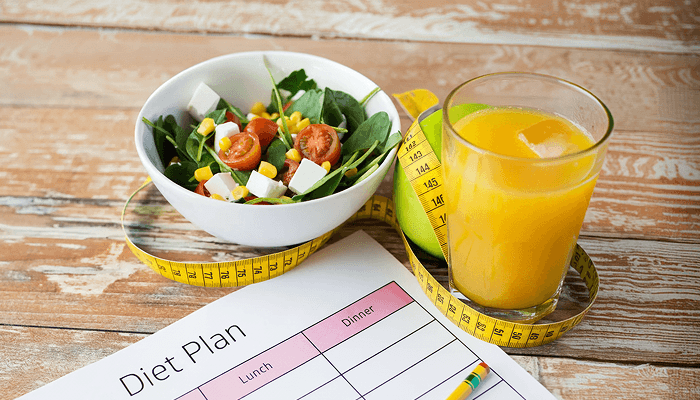
Lettuce, arugula, sprouts, napa cabbage, cucumber, and celery are great vegetables for weight loss. However, they lack some essential nutrients. We mentioned at the beginning of the blog that spinach is packed with iron, calcium, and vitamins A, C, and K, all for very few calories.
But many people go for cucumber and celery for their weight loss salads and meals because they are really low in calories. Interested in knowing how this crushes your metabolism? Check out this good read on sustainable weight loss with TDEE calculator.
Lowest Calorie Vegetables Per 100g
Here are some of the best low calorie vegetables for weight loss.
|
Vegetable (per 100g)
|
Calories (kcal)
|
Key Benefits
|
|
Cucumber
|
15
|
Extremely high water content (95%); thus, it promotes satiety.
|
|
Lettuce
|
15
|
Low energy density but a versatile base for weight loss meals.
|
|
Celery
|
16
|
High in fibre. This helps, as chewing time also promotes satiety.
|
|
Zucchini
|
17
|
Mild flavour. Zucchini is a great low-carb noodle alternative.
|
|
Tomato
|
18
|
Rich in vitamin C and antioxidants.
|
While these raw vegetables are great for satiety, they are extremely low in calories and essential nutrients. Using just these vegetables for weight loss meals shocks your body. It often impacts your metabolism and nervous system.
Did you know that you need the right macros to achieve your weight loss goals?
Here's a macro tracking guide to help you do that for free with an accurate TDEE calculator.
Vegetables Actually Good for Weight Loss Meals in 2026
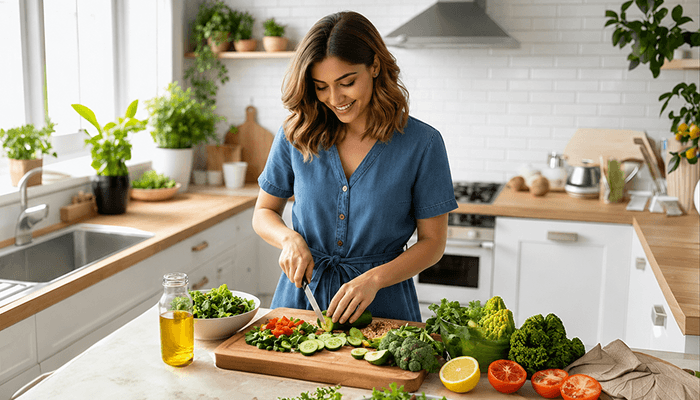
When you think about which vegetables are best for weight loss, leafy greens top the charts. The presence of important nutrients such as fibre, vitamin K, vitamin A, folate, vitamin C, iron, magnesium, calcium, and potassium makes them the best nutrient-dense, low-calorie vegetables for weight loss. Leafy green vegetables for weight loss that you can add to your salads are the following:
- Spinach
- Watercress
- Kayle
- Arugula
- Cabbage
The best dietitians in India and around the world recommend these vegetable salads as a filler. However, they recommend nutrient-dense vegetables for proper weight loss meals. Here's the list of veggies for weight loss that your diet needs.
|
Vegetable
|
Calories (per 100g)
|
Nutrients
|
Key Benefits for Weight Loss
|
|
Watercress
|
11
|
- Vitamin K
- Vitamin C
- Antioxidants
|
Very low-calorie and nutrient-dense
|
|
Arugula
|
25
|
- Vitamin K
- Folate
- Nitrates
|
Supports light meals
|
|
Lettuce
|
15
|
- Vitamin A
- Vitamin K
- Water
|
Adds volume and few calories
|
|
Alfalfa sprouts
|
23
|
- Vitamin K
- Folate
- Vitamin C
|
Light, nutrient-dense
|
|
Napa cabbage
|
12
|
- Vitamin C
- Vitamin K
- Fiber
|
Helps fullness, digestion
|
|
Cucumber
|
15
|
- Water
- Vitamin K
- Potassium
|
Hydrating, low-calorie
|
|
Celery
|
14
|
|
Crunchy, low-calorie snack
|
|
Radishes
|
16
|
- Vitamin C
- Potassium
- Fiber
|
Supports satiety
|
|
Bok choy
|
12
|
- Vitamin A
- Vitamin C
- Calcium
|
Light but nutrient-rich
|
|
Cabbage
|
25
|
- Vitamin C
- Vitamin K
- Fiber
|
Fills you up faster
|
|
Mushrooms
|
26
|
- B vitamins
- Selenium
- Copper
|
Replaces heavier foods
|
|
Eggplant
|
35
|
- Fiber
- Manganese
- Antioxidants
|
High-volume, filling
|
|
Swiss chard
|
20
|
- Vitamin K
- Magnesium
- Vitamin A
|
Nutrient-dense, low-calorie
|
|
Asparagus
|
22
|
|
Supports digestion
|
|
Spinach
|
23
|
|
Helps meal volume
|
|
Summer squash
|
19
|
- Vitamin C
- Potassium
- Fiber
|
Light, satisfying veggie
|
|
Tomato
|
18
|
- Vitamin C
- Lycopene
- Potassium
|
Supports healthy snacking
|
|
Green beans
|
35
|
|
Helps control hunger
|
|
Pumpkin
|
20
|
- Vitamin A
- Fiber
- Potassium
|
Filling and low-calorie
|
|
Broccoli
|
35
|
- Vitamin C
- Vitamin K
- Fiber
|
Great for fullness
|
| Kayle |
28 |
- Vitamin A
- Vitamin C
- Vitamin K
- Fiber
- Calcium
- Iron
- Antioxidants
|
Very filling, nutrient-dense |
In Conclusion
Even if you want to lose weight, it matters what you put in your body.
Weight loss vegetables like cucumber and tomatoes are mostly just water. They do not contain the right amount of nutrients and fibre to keep you going.
The best dietitians in India are recommending smart meal planning where you are in charge of your meals. FITPASS dietitians pave the way to help individuals support healthier meals and better portion control.