Achieving a lean muscle body with a reverse diet is effective when managed precisely.
On the flipside, there are cases where fitness enthusiasts have overshot their daily calories in the name of reverse dieting and gained sudden weight. A reverse diet is supposed to be very carefully maintained along with workouts to ensure true muscle hypertrophy.
The thing is, that clean bulk is a long-term approach.
However, this diet trend has been gaining some negative traction lately. So we asked certified dietitians at FITPASS to share their unfiltered insight on Reverse Diet (and if it should even be practiced generally or not).
Dietitians’ Scoop
“Building a lean muscle body is a very calculated process. A reverse diet just makes it easier if you can work out the right meal plan for gains. Basically, apko gradually apna daily calorie intake increase karna hai by 100-150 calories each week. Ye diet thoda sa tricky isliye hai kuki jab aap calorie deficit me ho, tab aapko strategically apni diet ko increase karna hai alongside workouts for a lean bulk body. Agar aap structured approach na rakkho to weight overshoot ho jata hai. And you get weight gain instead of a clean bulk! Weight training karte time bohot se log yah galti karte hi hain.
Having a personalized meal plan for your body acts as a recovery diet.
It is very important to boost metabolism, get a lean build, and prevent rapid weight gain post-diet. Aap is dauran apne meals ko khul ke enjoy kar sakte ho because it is intentional eating for a lean physique. Par han, reverse diet tab hi backfire karti hai jab aapka recovery diet plan well-calculated na ho. I would say that a personalized diet and workout monitoring are key to a successful reverse diet.”
— Lead Dietitian at FITPASS
Should You Reverse Diet?
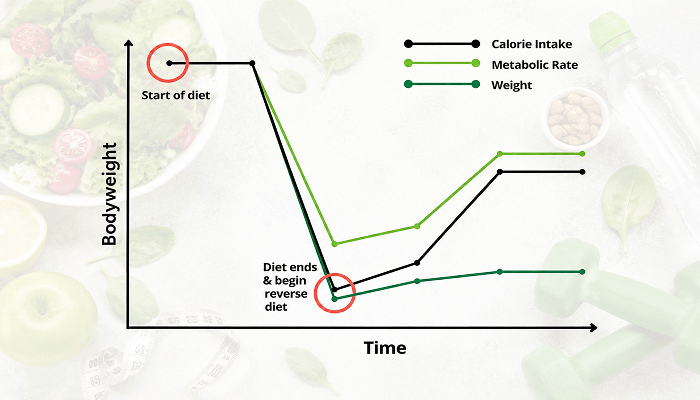
Yes, if you have been in a long-term calorie deficit. A reverse diet is a well-balanced, gradual method to:
- restore your metabolism
- reduce post-diet cravings
- help you ease out of a restrictive diet plan
However, a reverse diet is supposed to be very measured.
A reverse diet comes into play when you hit your weight loss goal but feel completely stuck. Or maybe you want to pack on muscle but do not want to increase caloric intake due to fear of adding excess belly fat?
A lean build is the ultimate fitness dream for many people. Getting there requires much more than just lifting heavy weights. It requires a flawless nutritional strategy. If done right, this diet is a good way to get a lean muscle body.
Let’s address the elephant in the weight training room. The bulked-up person.
What is bulking?

Bulking is the phase where you eat more than your calorie burn.
This is done because your body is in need of this extra energy. It uses the surplus to repair tissue and build new bulk muscle. However, many beginners still get confused. If you are wondering what is bulking in gym culture, it usually falls into two very different categories.
You have the dirty bulk and the clean bulk.
Check out this table for a quick comparison in each of these bulking methods for a reverse diet.
|
Factors
|
Clean Bulk
|
Dirty Bulk
|
|
What it Means?
|
A clean bulk means you add a slight, calculated caloric surplus of 100-150 calories every day.
|
A dirty bulk means eating anything and everything in sight!
|
|
Food in the Diet
|
The primary focus is on nutrient-dense, whole foods. You eat lean proteins, complex carbs, and healthy fats. Hence, clean bulk or lean bulk.
|
You eat fast food, sweets, and anything that you like for a high-calorie intake.
|
|
Surplus Calories Portion
|
The surplus calories are added to your diet but in calculated portions for a lean build.
|
Eating massive portions becomes the norm.
|
|
Impact on Your Scale
|
The scale goes up in a balanced way along with gradual lean body development.
|
Yes, the scale goes up quickly and drastically.
|
|
Responsibility
|
Stick to the diet plan! Take a conservative surplus above your daily maintenance diet. Do not skip weight training to ensure true muscle hypertrophy.
|
You need to follow rigorous hypertrophy training. Go for heavy, progressive resistance training to ensure muscle gains and not adipose tissue. Hit your macro goals, like 1.5 to 2.5 g of protein per kilo of your weight.
|
|
Risks
|
There is a risk of electrolyte imbalances in the body due to a sudden increase of carbs in the body in some cases. Refeeding syndrome can occur upon failure to regulate your caloric intake as per the reverse diet plan. Stick to the diet plan!
|
Dirty bulking when done recklessly can cause sluggish digestion and lethargy in the body. You can end up with drastic body fat gains that take months to cut away even with strength training.
|
|
How to do it right?
|
You need a structured reverse diet plan for a lean body.
|
Avoid glutting and track protein intake even on a dirty bulk.
|
Craft a Lean Build with Clean Bulk
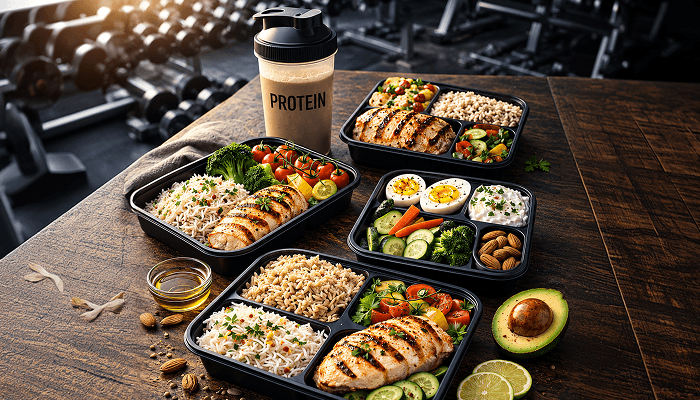
Clean bulk requires a slightly calculated caloric surplus. As mentioned in the table, you focus primarily on nutrient-dense, whole foods. This includes lean proteins, complex carbs, and healthy fats. Why is a clean bulk better than a dirty bulk? Because it helps you achieve a lean build with minimal fat gain.
It is recommended to pair your diet with the right strength training workouts that best support your lean muscle body goals. This is done so that the extra fuel does not get stored as excess fat. You directly convert it to muscle by increasing your energy expenditure.
The outcome? PURE muscle hypertrophy.
To do this right, you need a structured muscle-building diet plan.
Calculate your daily calorie intake needs accurately based on your body metrics and fitness goals.
The Optimal Muscle Gain Rate
According to fitness research, an optimal muscle gain rate is about 0.25% to 0.5% of your total body weight per week. Any increase in weight gain that is faster than that is usually just fat. Therefore, a smart bulk diet requires patience. It requires precision.
Your Action Plan for a Lean Diet
Here is your step-by-step checklist to master the reverse diet and transition into a flawless bulk. It is more like a well-optimized recovery diet.
- Know your starting point: Use a reliable BMR calculator. Figure out your current maintenance calories.
- Start the reverse diet: Add 50 to 100 calories to your daily intake each week. Monitor your weight.
- Keep an eye on the scale: If your weight jumps drastically, hold your calories steady for another week. Let your body adjust.
- Boost metabolism gradually: Keep adding calories slowly until you reach a healthy maintenance level. You will notice more energy in the gym.
- Transition to a lean bulk: Once your metabolism is healthy, add a slight surplus of 200-300 calories.
- Stick to the reverse diet plan: Focus on whole foods. Eat plenty of chicken, fish, lentils, oats, and healthy fats.
- Train hard: Lift weights consistently. Your body needs a stimulus to turn that food into muscle.
The Key Takeaways
Consistency is what creates champions, so stick to your diet! Building a lean muscle body is a journey of nutrition science, sweat, and smart eating. You now know exactly how to begin a reverse diet for clean bulk. More importantly, you know how to use a reverse diet to protect your metabolism.
It is highly important to treat your post-diet phase as a recovery diet. Certified dietitians recommend fitsters to stay patient, trust the process, and let the results speak for themselves. So, are you ready to reverse diet the right way?
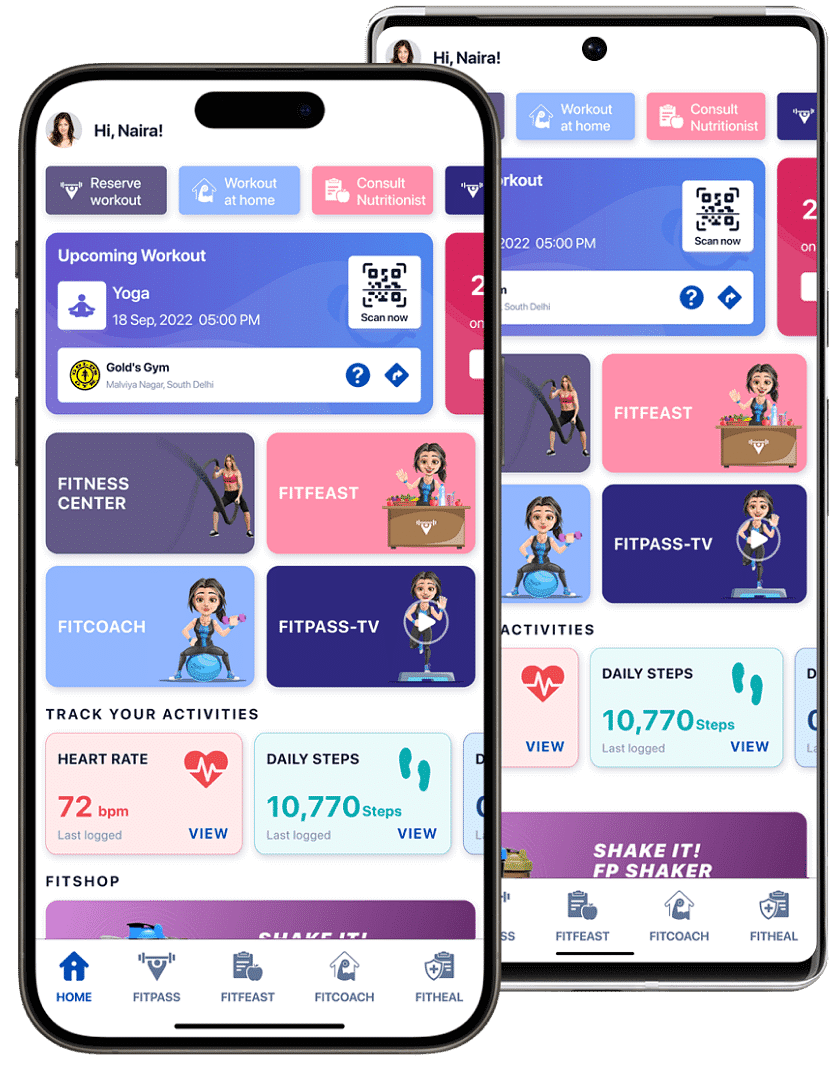
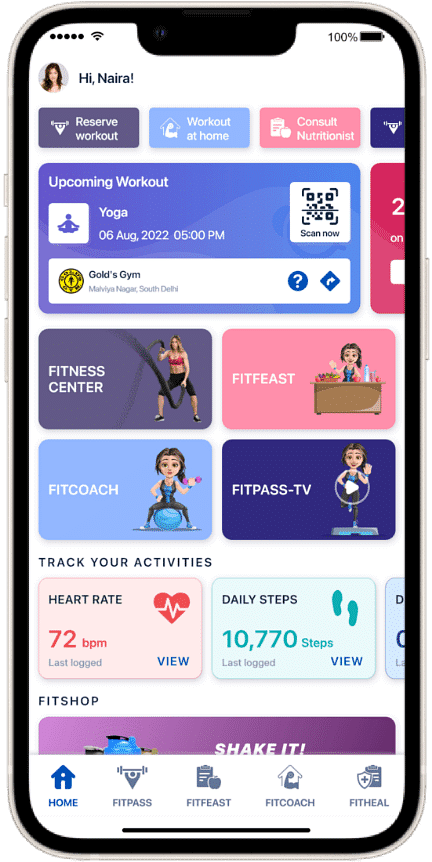
Get direct access to expert dietitians who can customize your very own muscle-building diet plan. They calculate your macros, plan a reverse diet, and plan your daily meal logs.
Get FITPASS today and start building the lean body you have always wanted.