Overly fixating on what is macro counting diet only makes people more unsure of what they put inside their bodies. So this guide breaks down how to track your macros. It’s sorted as a library bookshelf, as though arranged by Keanu Reeves himself.
By the way, do you know about the 4-4-9 rule?
Keep reading to know how this helps with nutrition absorption in your body. This blog will give you a deeper insight into what is macro counting diet and how it helps your well-being.
What is Macro Counting Diet?
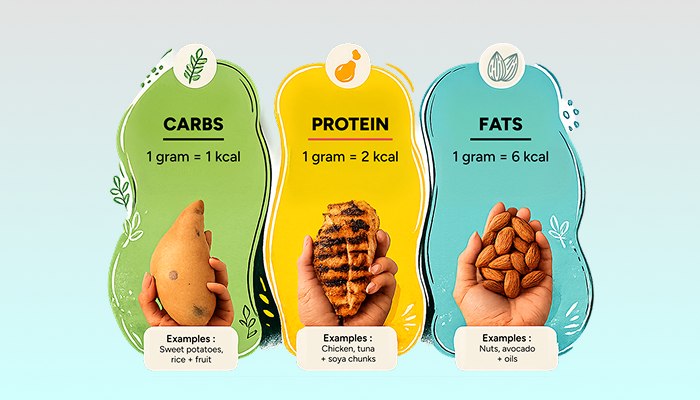
Counting macros (macronutrients) is like keeping receipts for your body. Everything’s deductible if you earn the burn. Counting macros involves tracking the three main nutrients your body needs in large quantities to function optimally:
- protein
- carbohydrates
- healthy fats
A macro counting diet simply prioritizes the ideal intake of macronutrients. It also involves macro tracking. This includes meal planning, keeping a meal log to oversee the daily caloric intake, and using the TDEE calculator to estimate your daily energy expenditure.
The 4-4-9 Macro Counting Rule
Not all macros are created equal. Carbs and proteins offer approximately 4 calories per gram. But fats give you around 9 grams of calories. Healthy fats are the most energy-dense macronutrient and should not be ignored, as they help with the absorption of fat-soluble vitamins (A, D, E, and K). The 4-4-9 macro counting rule says that
Why Finding Your TDEE Matters
Simply put, TDEE or Total Daily Energy Expenditure, is the calculation of your daily energy expenditure. You can only eat sufficiently if you know how you are spending it. Understanding your TDEE helps you ascertain how much you need for weight maintenance, fat loss, and/or muscle gain. On the other hand, calculating your TDEE keeps you humble and offers a reality check regarding your intake and expenditure.
How to Track Macros Without Losing Consistency
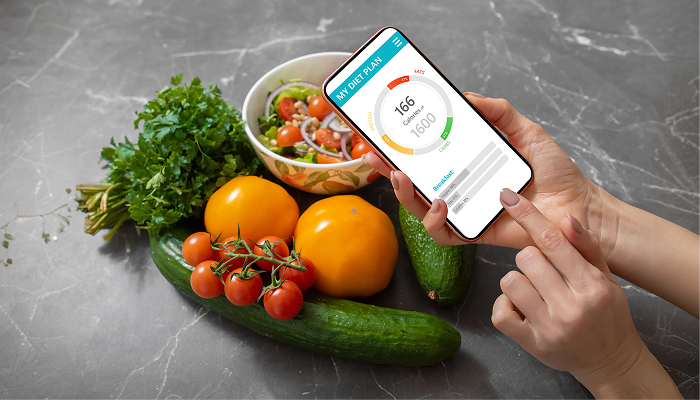
If your goal is fat loss, muscle gain, or simply eating better, understanding how to track macros can make nutrition feel less confusing and far more sustainable. The good news? You don't need to weigh every meal or spend hours calculating numbers or journaling your daily meals.
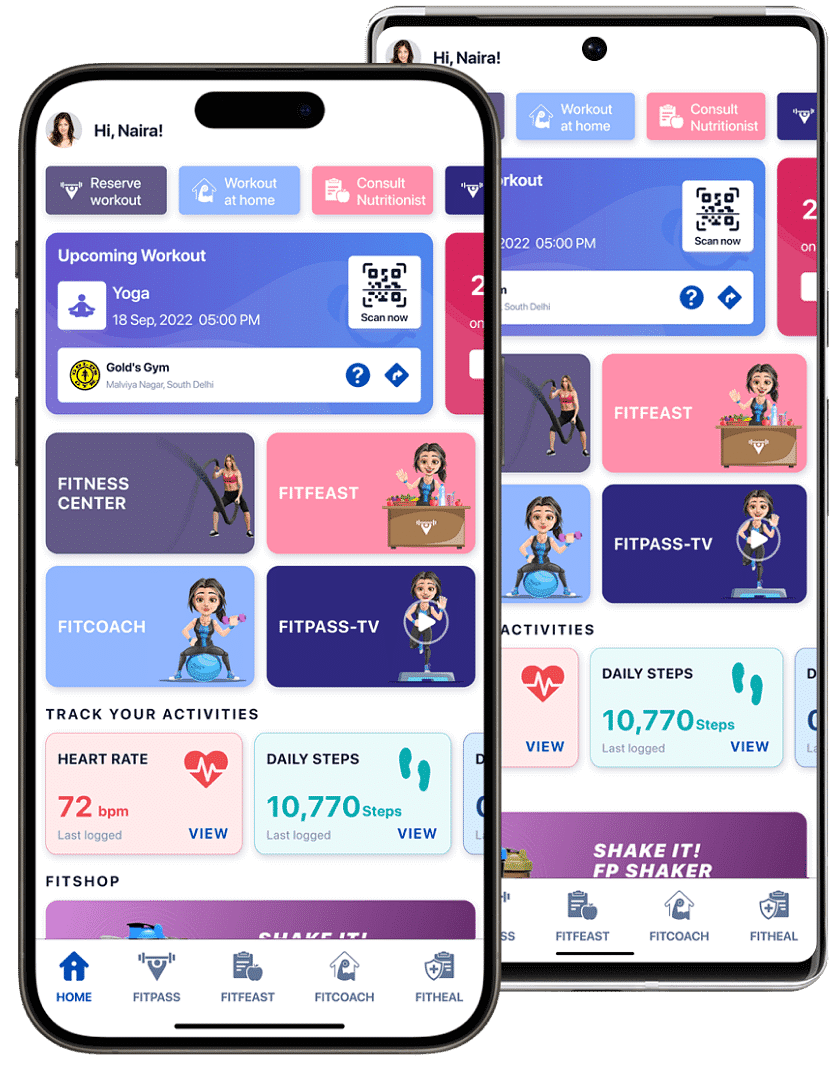
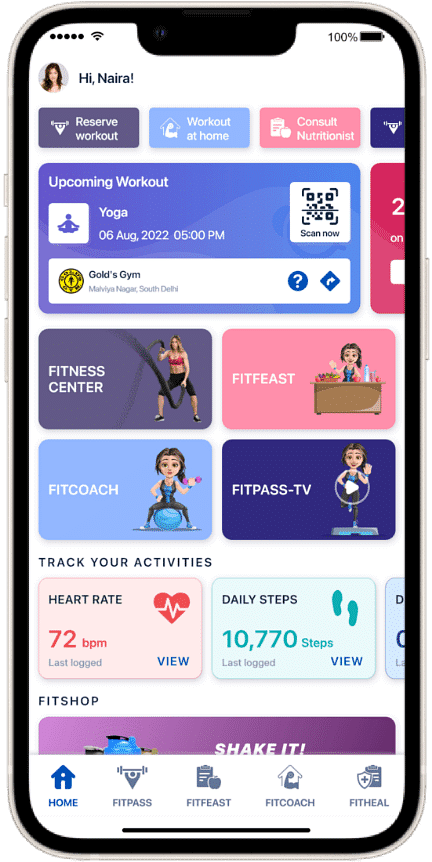
FITPASS app is the best way to track macros.
It allows for habit formation and builds simple habits that fit your lifestyle, like meal logging and activity tracking. Here's how to make tracking macros easy, even if you're starting from scratch.
The protein first rule
Protein is the most satiating macro. It is also one of the most important macronutrients that most Indians are lacking right now. Protein is also the macronutrient that helps with tissue repair in the body. The best nutritionists in India recommend meal planning centered around protein and then filling the rest with other macros.
Start with tracking just 1 macro
Trying to monitor protein, carbs, fats, calories, fiber, and water all at once is overwhelming. Instead, it is better to start with one. Take our word, protein is usually the easiest place to begin. It supports muscle recovery, keeps you full, and helps preserve lean muscle during weight loss. Once tracking protein becomes second nature, gradually include carbohydrates and healthy fats. Small wins create lasting habits, making tracking macros much easier to stick with.
Use a good fitness app for meal logs
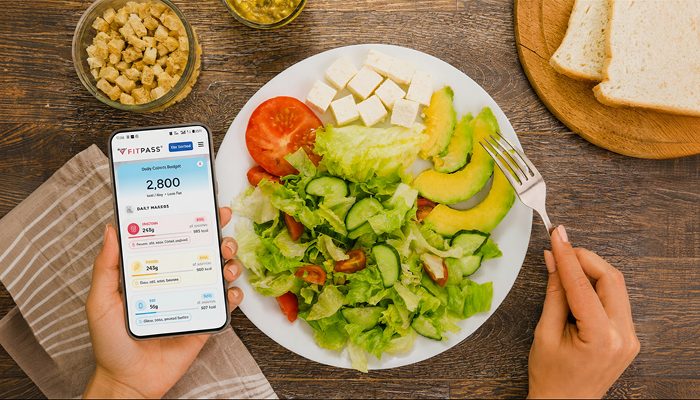
You don't have to journal your meals to remember everything you eat. A reliable fitness app can instantly calculate your macros, save your favorite meals, scan food barcodes, and even estimate nutrition for restaurant dishes. Logging meals regularly also helps you notice eating patterns that you may otherwise overlook. The best way to track macros is to make logging part of your routine rather than treating it like homework. When the process becomes effortless, consistency naturally follows.
Plan with meal planning
One of the biggest reasons people stop tracking is decision fatigue. Meal planning a day or two before will help you tackle this. And you already know what you'll eat, making it easier to hit your macro goals without scrambling for healthier options. You don't need elaborate meal prep. Even planning breakfast and lunch ahead of time can keep the rest of your day on track. When you plan, you're less likely to make impulsive food choices that throw off your nutrition goals.
Repeat meals that work for you
Variety is enjoyable, but repetition builds consistency. If you have a breakfast, lunch, or snack that fits your macro targets and you genuinely enjoy eating it. Right? So keep it in rotation. Repeat meals reduce the time spent calculating portions and logging ingredients. Many successful fitness enthusiasts eat the same few meals throughout the week. All because it simplifies tracking macros without sacrificing results. Save experimentation for weekends. Some people leave it for special occasions or festivals while relying on repeat meals during busy days.
Consistency, my child
Building sustainable habits is far more valuable than chasing perfect numbers. And honestly, the best nutritionists say that perfect macro tracking doesn't exist. What matters most is showing up day after day. Missing your meal logs by a few grams occasionally won't undo your progress.
Get off the track once in a while
Life happens. Holidays, weddings, birthdays, vacations, and family dinners are all part of living well. Instead of abandoning your goals after one indulgent meal, simply get back to logging your food the next day. One untracked day doesn't erase weeks of good habits. Think of macro tracking as a long-term lifestyle rather than a temporary challenge. Progress comes from what you do most of the time, not from occasional deviations. The ability to reset quickly is one of the most valuable skills you can develop.
Macro Nutrition Cheat Sheet
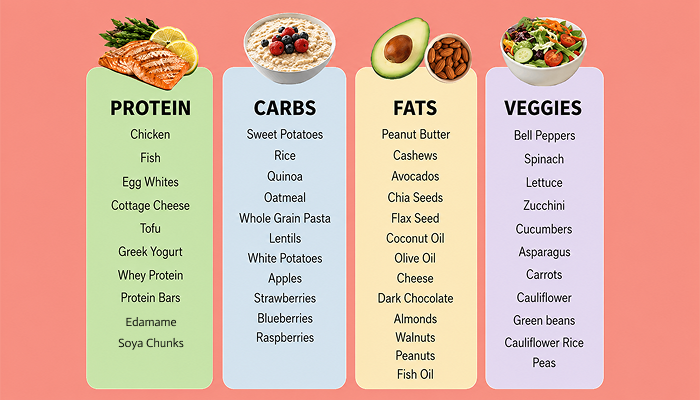
There it is, your macros cheat sheet.
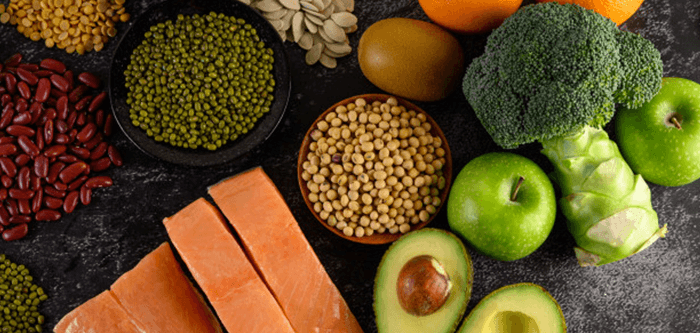
FITPASS dietitians recommend these foods as they are available, affordable, and readily accessible in all major cities and towns in India. They also help you pick exotic fruits and suitable meats for your fitness goals if you want to go a little over the edge. With this sheet, you can optimize your meals while also making sure that you get the right amount of nutrition in every meal.
In Conclusion
The real secret behind how to track macros is an accurate TDEE calculation. Knowing your TDEE helps you create a realistic road map for your fitness progression. It does not matter if your meal plan looks good to the eye. If it tracks everything right and you follow your plan with consistency, you’ll see results soon enough. The FITPASS app helps you with fitness tracking in the following ways:
- logging meals regularly
- learning from your eating habits
- making small adjustments over time
Consistency will always outperform short bursts of perfection. Over time, these habits become automatic, making healthy eating feel effortless rather than restrictive. Looking for smarter ways to stay on top of your nutrition? The FITPASS app helps you log meals, monitor your progress, and build healthier habits alongside your workouts, making every fitness goal easier to achieve.
Check out the 26 best features of FITPASS , the trailblazing fitness app loved by 7 million Indians