Starting a fitness journey is easy. Staying consistent with your fitness habits is where most people struggle.
Every year, thousands of people sign up for gyms, download workout apps, and promise themselves that this time they will stick to their fitness routine. The excitement is real, but it rarely lasts. A few missed workouts can turn into weeks, and fitness slowly slips down the priority list.
This does not happen because people lack willpower. It happens because fitness demands behaviour change, and behaviour change is hard. The effort shows up immediately, while results take time. That gap is exactly where people drop off.
FITPASS recognised this problem early. Instead of pushing people to train harder or longer, it focused on a smarter question: How do we help people stay consistent long enough for fitness to become a habit?
The answer became the 6·7·8 Rule, a simple, behaviour-first system designed to help people build fitness habits that actually last.
The Real Problem with Traditional Fitness Plans
Most fitness plans ask too much, too soon.
They expect beginners to work out five or six days a week from day one. They focus on intensity instead of consistency. When people miss a few days, guilt sets in, and many quit completely.
Another issue is that fitness is often treated as punishment. Eat too much? Go run. Feeling stressed? Push harder. This mindset makes workouts feel like a chore rather than a choice.
What is missing is a system that supports behaviour change, not just physical effort. A system that understands how habits are actually formed.
This is where the 6·7·8 Rule works differently.
What Is the 6·7·8 Rule?

The 6·7·8 Rule is FITPASS’ habit-building framework designed around one powerful idea: start small, stay consistent, and let habits grow naturally.
Instead of forcing daily workouts or intense schedules, the rule breaks fitness into simple monthly targets:
- Month 1: 6 workout days, 6 full-day meal logs, 2 nutrition consultations
- Month 2: 7 workout days, 7 full-day meal logs, 2 nutrition consultations
- Month 3: 8 workout days, 8 full-day meal logs, 2 nutrition consultations
Over three months, this adds up to 21 workouts, spread out realistically across your lifestyle.
This structure is intentional. FITPASS does not reward binge fitness or short bursts of motivation. It rewards steady behaviour over time, the kind that fits into workdays, weekends, travel, and real life.
By the end of these three months, fitness begins to feel less like an effort and more like a routine.
Who Is the 6·7·8 Rule For?
The strength of the 6·7·8 Rule lies in its flexibility. It is designed for real people with real schedules, not ideal routines.
It works well for:
- Fitness beginners who feel overwhelmed by intense workout plans
- Busy professionals struggling to fit exercise into packed workdays
- People restarting fitness after a break due to travel, injury, or burnout
- Regular gym-goers who work out often but lack long-term consistency
- Anyone who has quit fitness plans before and wants a fresh, realistic approach
Instead of asking you to change your entire lifestyle, the 6·7·8 Rule meets you where you are and helps you build momentum gradually.
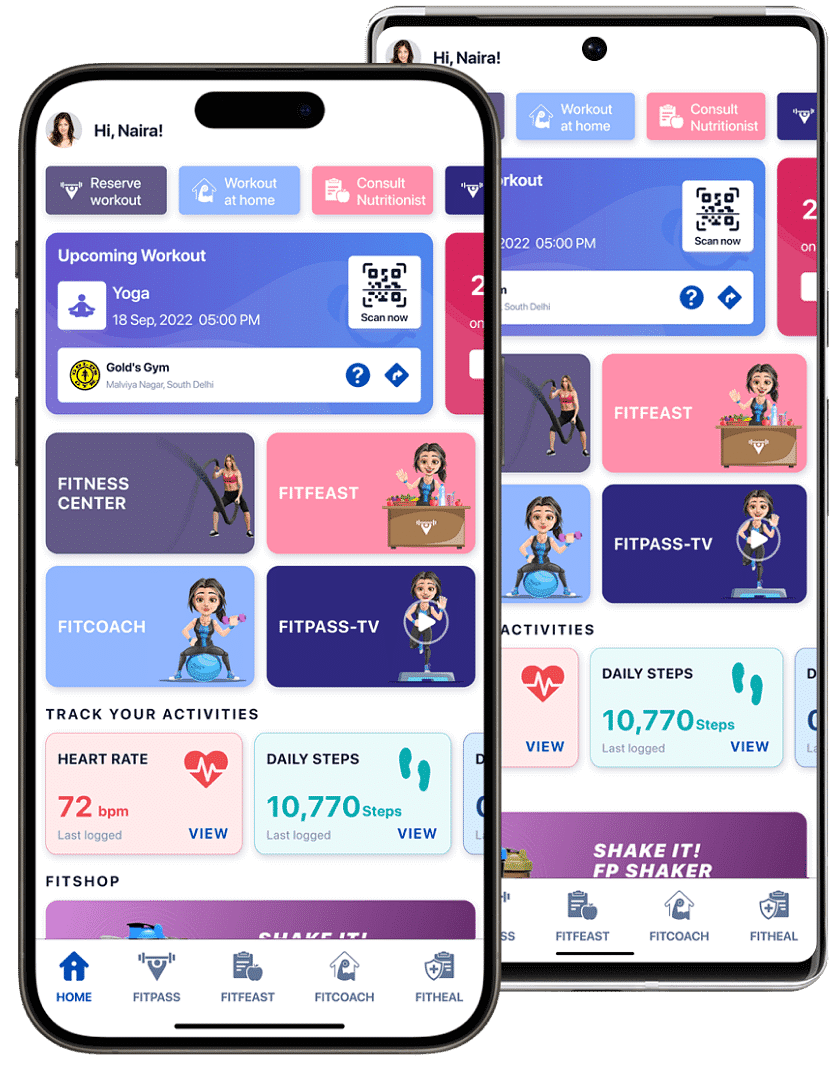
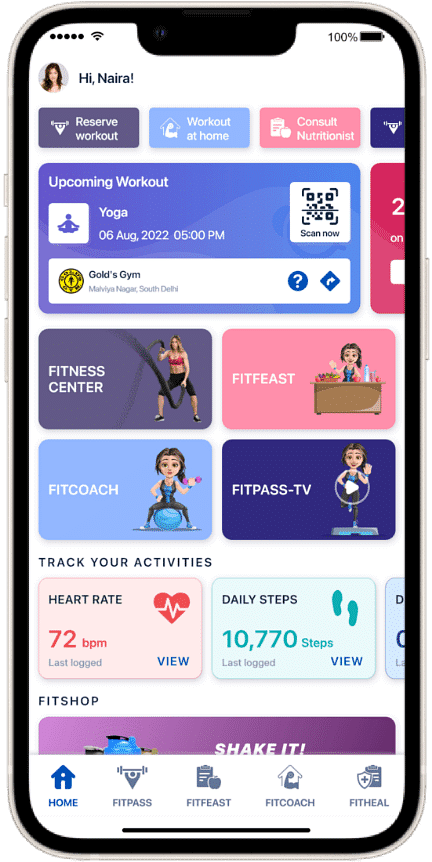
FITPASS supports this habit-building journey by removing common fitness barriers. With a single membership, users get access to multiple gyms and studios, guided home workouts, nutrition support, and expert-led sessions. This flexibility allows people to choose workouts that fit their schedule, energy levels, and preferences, making consistency easier to maintain over time.
Why Starting Small Works Better Than Going All In

Many people believe motivation is the key to fitness. In reality, discipline and structure matter far more.
Motivation comes and goes. Habits stay.
The 6·7·8 Rule reduces friction at the starting stage. Six workouts in a month mean you only need to show up around one or two times a week. This feels achievable, even on busy schedules.
Once you complete a few workouts, something important happens. You begin to see yourself differently. You are no longer someone who is “trying to get fit”. You are someone who works out.
This shift in identity is powerful. Fitness stops being an event and starts becoming part of who you are.
The Psychology Behind the 21-Workout Window
The number 21 sits at the heart of the 6·7·8 Rule for a reason.
Behavioural science shows that habits are formed through repetition over time, not through intensity. Doing 21 workouts in a week proves effort. Doing 21 workouts over three months proves consistency.
FITPASS deliberately spreads these workouts across 30 to 90 days. This ensures that habits are not rushed or forced. It prevents people from gaming the system by overtraining early and disappearing later.
During this window, something important happens. Workouts start finding a natural place in your weekly schedule. You stop negotiating with yourself about whether to exercise. You simply plan for it.
That is when fitness moves from being an activity to becoming part of your identity.
Fitness Should Feel Rewarding, Not Punishing

One of the biggest reasons people quit fitness is emotional burnout.
Eating better can feel restrictive. Working out can feel tiring. Progress can feel slow. When effort feels one-sided, motivation tends to drop quickly.
This is exactly the insight behind FITPASS’ campaign “Thoda Fit, Thoda Rich”.
The idea is simple and relatable. You do not have to turn your life upside down to get healthier. Small, consistent actions can make you fitter, and with FITPASS, they can also make you feel rewarded along the way.
The 6·7·8 Rule fits perfectly into this thinking. It removes pressure and replaces it with progress. Every workout feels like a win, not a punishment. Over time, fitness becomes something you look forward to, not something you avoid.
How Rewards Help Build Stronger Habits
Behaviour change usually happens through one of two methods: punishment or rewards.
FITPASS firmly believes that fitness should never feel like punishment. That is why the 6·7·8 Rule uses rewards as a temporary push, not a permanent crutch.
As you complete workouts, nutrition actions, and consistency milestones, value accumulates in your FITPASS wallet. These rewards stay locked until you complete the full 21-workout journey across the required time window.
This approach serves two purposes. First, it keeps motivation high during the early stages when results are not yet visible. Second, it ensures that rewards are tied to real habit formation, not shortcuts.
Over time, the external reward fades in importance. The real reward becomes how you feel, stronger, calmer, and more in control of your health.
From Routine to Identity: Becoming a Fitster
FITPASS often speaks about moving people from routine to identity, and this is where the 6·7·8 Rule truly shines.
In the beginning, fitness is something you try to do. After weeks of consistency, it becomes something you are.
Those who complete the 6·7·8 journey earn more than rewards. They earn the Fitster identity, someone who approaches fitness with balance, discipline, and long-term thinking.
A Fitster does not chase quick results. They focus on showing up, building habits, and improving gradually. This identity shift is the strongest predictor of long-term fitness success.
Why Flexibility Matters in Habit Building
Rigid fitness plans fail because life is unpredictable.
Travel, work deadlines, family responsibilities, and illness can interrupt routines. When plans are too strict, one missed workout feels like failure.
The 6·7·8 Rule allows flexibility. You choose when and how to complete your workouts. Gym sessions, classes, or home workouts can all count.
This flexibility reduces guilt and increases adherence.
Fitness adapts to your life, not the other way around.
The Role of Variety in Staying Consistent

Repetition can lead to boredom.
The 6·7·8 framework encourages variation in workouts. Trying different formats keeps fitness interesting and reduces mental fatigue.
Yoga one day, strength training another, a dance class later in the week, variety keeps motivation high and prevents burnout.
It also supports overall health by improving strength, mobility, balance, and endurance.
Nutrition and Lifestyle: Supporting the Habit Loop
Fitness habits do not exist in isolation.
Nutrition, sleep, and daily movement all influence consistency. When these areas improve slightly, workouts feel easier.
The 6·7·8 approach encourages mindful eating and awareness, not perfection. Logging meals or consulting a nutrition expert builds accountability without pressure.
Small changes compound over time, just like workouts do.
Why Discipline Beats Motivation Every Time
Motivation feels exciting, but it is unreliable.
Discipline, built through systems like the 6·7·8 Rule, creates structure. You do not rely on how you feel each day. You rely on the habit you have built.
This is why slow, steady fitness journeys often succeed where intense ones fail.
Consistency always wins.
Long-Term Benefits of the 6·7·8 Rule
People who follow the 6·7·8 Rule often notice changes that go beyond physical fitness.
With regular workouts, mindful nutrition, and steady routines supported by FITPASS, users report:
- Better energy throughout the day
- Improved mood and mental clarity
- More restful sleep
- Reduced stress levels
- Increased confidence and self-trust
Perhaps the biggest benefit is psychological. Completing the challenge proves that consistency is possible. This belief often carries into work, relationships, and personal goals.
Why the 6·7·8 Rule Works for Different People
The rule works for beginners because it is non-intimidating. It works for regular gym-goers because it adds structure and goals. It works for busy professionals because it respects time constraints. It works for older adults because it promotes gradual progression. In short, it meets people where they are.
Fitness Is a Journey, Not a Shortcut

The 6·7·8 Rule reminds us that fitness is not about hacks or shortcuts. It is about showing up again and again, even on days when motivation is low. By focusing on behaviour instead of outcomes, it builds habits that last far beyond three months.
Conclusion
The biggest mistake people make with fitness is trying to change everything overnight.
The 6·7·8 Rule shows that small, steady actions build stronger habits than extreme routines. With the support of FITPASS, fitness becomes flexible, rewarding, and sustainable.
Six workouts. Then seven. Then eight.
No punishment. No pressure. Just progress.
Because fitness is not about perfection. It is about consistency, and once that habit forms, it stays with you for life.