Loading...
loading...
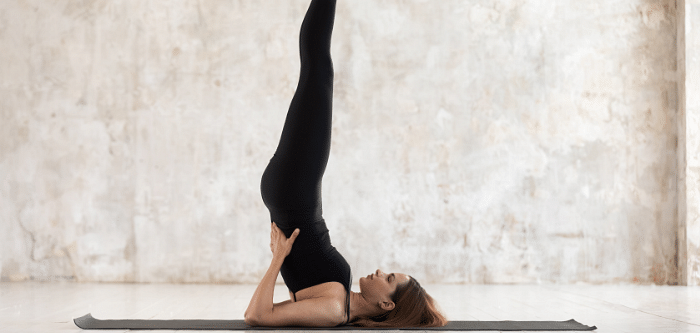



You shouldn’t bend your knees or put unnecessary strain on the neck during this pose. If you’re just learning this pose, it is advisable to use props or a wall to support yourself initially. Moreover, people with neck injuries, thyroid issues, and pregnant and menstruating women should avoid practising the Sarvangasana.
Sarvangasana has plenty of benefits like improved digestion, better circulation, improved heart health, and increased core strength and flexibility.
The main benefit of Sarvangasana (Shoulder Stand Pose) is improved circulation throughout the body.
Pregnant women and those menstruating should avoid Sarvangasana. Those with neck or shoulder injuries should consult a doctor before attempting the pose.
Practising Sarvangasana daily is generally safe, but start with shorter holds and gradually increase duration as you build strength.
Both Sirsasana (Headstand) and Sarvangasana offer unique benefits. Sirsasana is the "king of asanas" for its effects on the body and mind, while Sarvangasana is known as the "queen" for regulating the thyroid and parathyroid glands.
The Sirsasana, or Headstand Pose, is considered the "king of all asanas" in yoga due to its challenging nature and profound benefits.
The Sirsasana, or Headstand Pose, is widely regarded as the "king of asanas" in the yoga tradition.
To perform Sarvangasana (Shoulder Stand), lie on your back, lift your legs and hips towards the ceiling, and support your lower back with your hands. Hold the pose with steady breathing.


Table of Contents
In the vast world of yoga, the Sarvangasana, or Shoulder Stand Pose, is one of the most transformative asanas (postures). As yoga continues to gain global prominence for its profound benefits to physical and mental well-being, the importance of mastering foundational poses like the Sarvangasana has never been greater.
Sarvangasana, often called the queen of asanas, involves balancing the entire body on the shoulders in an inverted position. The Sanskrit words "Sarva," meaning "all," "anga," meaning "limb or body part," and "asana," meaning "posture," combine to form the name "Sarvangasana." This pose engages the entire body and offers many physical and mental advantages.
In this blog, we will explore the benefits of Sarvangasana, recent findings on Its benefits, advanced Sarvangasana practice, and a set of precautions you must keep in mind to practise the pose safely.

When you assume the Sarvangasana position, you reverse the body's natural gravitational pull. That encourages blood flow towards the head and neck, increasing circulation. The increased blood supply can benefit various organs, including the brain, heart, and digestive system.

Sarvangasana, the balanced posture on the shoulders, engages and strengthens the muscles in your shoulders, upper back, core, and legs. It also stretches your neck, chest, and upper spine, improving flexibility. With regular practice, you can achieve improved overall body strength and flexibility.
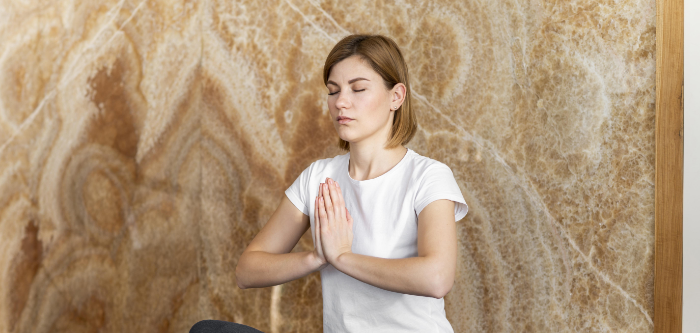
Inverting your body in Sarvangasana has a soothing effect on your nervous system. It stimulates the parasympathetic nervous system, which helps promote relaxation, reduce anxiety, and alleviate stress. Studies have even found that certain head-below-heart (inversion) yoga poses can improve heart rate variability, which is beneficial for heart health.

The gentle compression on your abdomen during Sarvangasana stimulates your digestive organs, enhancing digestion and relieving common issues such as constipation. The pose also helps tone your abdominal muscles.

Sarvangasana is known for its positive impact on the thyroid and parathyroid glands, which are crucial for maintaining hormonal balance in your body. The pose helps stimulate these glands, aiding in their proper functioning.
Explore more yoga poses with excellent health benefits, like these five yoga poses that control blood sugar levels.
Whether you're a seasoned yoga enthusiast or a newcomer, the Sarvangasana offers a transformative experience. By understanding its multifaceted benefits and exploring its different variations, you can unlock a deeper connection with your body and mind and embark on a holistic wellness journey.
Women should avoid practising Sarvangasana during menstruation due to the inverted position and the pressure it puts on the abdominal area. Pregnant women should also avoid this pose, as it can put a strain on the abdomen and potentially harm the developing foetus.

If you have any medical conditions such as neck or shoulder injuries, high blood pressure, thyroid issues, or any other health concerns, consult with your healthcare provider or a qualified yoga instructor before attempting Sarvangasana.

Always ensure that your body is adequately warmed up before attempting Sarvangasana. Engage in gentle warm-up exercises to prepare the neck, shoulders, and upper back.

Initially, you may find it challenging to hold Sarvangasana without support. To avoid strain or injury, utilise props such as blankets, or a wall for added stability and to help align the body properly.

If you are new to Sarvangasana, it is highly recommended to learn the pose from a qualified yoga instructor. They can guide you in understanding the correct alignment and modifications specific to your body type.
To find the best yoga classes near you and get certified yoga training, download the FITPASS app today. With just a FITPASS membership, you can start your yoga classes in Mumbai, Bangalore, Delhi, Jaipur and many other cities without any hassles. Practice and master the beneficial Sarvangasana and reap the wide range of physical and mental advantages it offers.