Loading...
loading...

You can do planks every day. Just 30 seconds daily can deliver noticeable results. Listen to your body and rest if you feel sore.
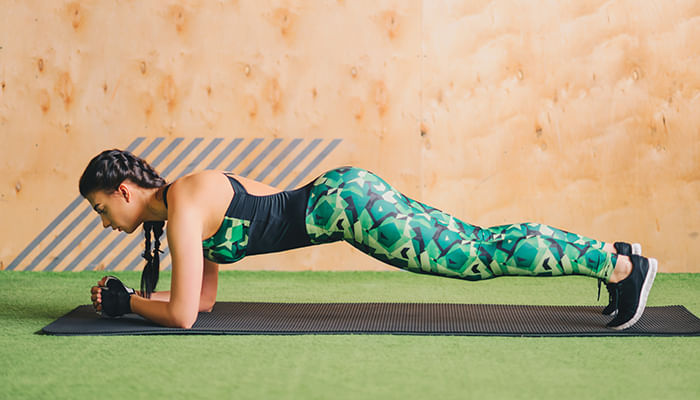
The forearm plank is ideal for beginners. It’s gentle on the wrists and easy to control. Focus on maintaining good form.
Planks alone won’t burn belly fat, but they strengthen the core. Combine them with cardio and a balanced diet for the best results.
Yes, planks are generally safe and can even help reduce back pain. Just make sure you maintain proper form and start slow.

Table of Contents
In a world where we constantly search for quick and effective workouts, planks stand tall as the go-to move for fitness enthusiasts. Just 30 seconds of this simple yet powerful exercise can offer incredible benefits for your entire body. Whether you’re a beginner or a seasonal athlete, the plank deserves a top spot in your daily routine.
Planks have gained popularity because they’re easy to learn and require no equipment. Anyone can do them—at home, in the gym, or even while travelling. They work multiple muscles at once, making them a highly efficient isometric workout. You don’t have to spend hours to see results. A few seconds each day can make a big difference.
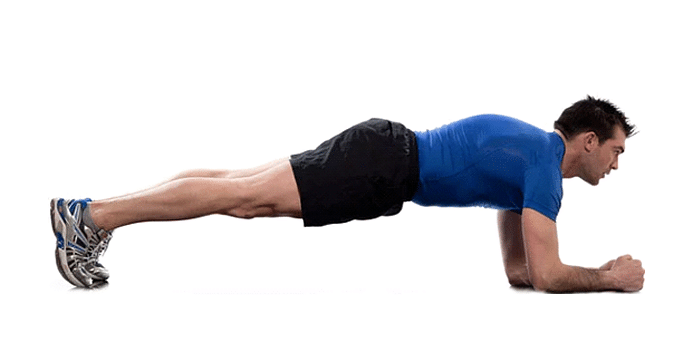
The most common reason people add planks to their fitness routines is to strengthen their core. But the benefits of plank exercises go far beyond that. It tones your arms, shoulders, back, and even legs. Holding a proper plank posture requires the coordination of your entire body, making it a full-body move.
Planks also boost your endurance and stamina. They help improve your balance and flexibility while also reducing the risk of injury. By holding your body in a straight line, you train it to remain aligned in other activities too, like running, lifting, or simply sitting.
The 30-second plank challenge is a great way to get started. It’s not about doing hundreds of crunches or lifting heavy weights. It’s about consistency. Doing a 30-second plank each day trains your muscles to activate properly. Over time, you’ll build up strength, endurance, and stability.
This challenge is perfect for beginners. If 30 seconds feels too long at first, start with 10 or 15 seconds and slowly build up. The key is to focus on form rather than time.

Once you’re comfortable holding a plank for 30 seconds, add it to your daily routine. A daily plank routine helps improve posture, strengthen your back, and tone your midsection. Try doing it first thing in the morning or as a quick break during your day.
You can also combine different types of planks to keep things interesting. Mixing in various plank forms will challenge your body in new ways and prevent boredom. Over time, this consistency leads to noticeable results.
There are several plank variations you can try based on your fitness level. These variations target different muscle groups and increase the effectiveness of your routine.
By rotating through these full-body plank variations, you can keep your daily workouts fresh and effective.
A strong core isn’t just about visible abs. It helps with everyday activities like lifting, bending, and even breathing. Plank core strengthening engages all the core muscles—abdominal, obliques, and lower back. Unlike crunches, planks protect your spine while building strength.
Planks also activate deep core muscles, such as the transverse abdominals. These muscles are vital for stability and injury prevention. The more you practice, the stronger your core becomes.
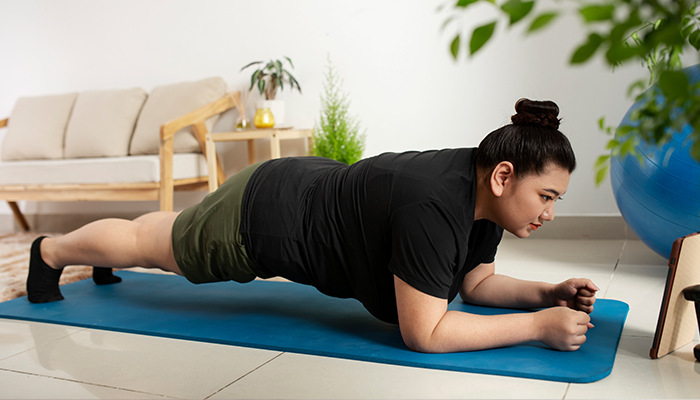
Many of us sit for long hours, which leads to poor posture. Over time, this can cause back and neck pain. Planks train your muscles to hold your spine in a natural, neutral position. Regular planking helps pull your shoulders back, lighten your core, and lift your chest.
If you struggle with slouching, add planks to your routine. You’ll notice that your body starts to hold itself more upright, even outside your workouts. That’s how powerful planks for posture improvement can be.
Lower back pain is a common issue for many adults. Poor core strength and posture are often to blame. Planks build the muscles around your spine, giving it better support. As a result, you may experience fewer aches and better movement.
Unlike some exercises that strain the back, planks are low-impact. They help stabilise the spine and improve flexibility, making plank exercises a smart choice.
If you’re new to doing planks, start with a few simple tips:
These beginner plank tips will help you build a solid foundation without risking injury.
If you’re ready for a challenge, there are several advanced plank progressions to try. These exercises add movement or resistance to make the plank more intense.
These moves aren’t just harder—they also increase muscle activation and improve coordination. Add them slowly to avoid strain.
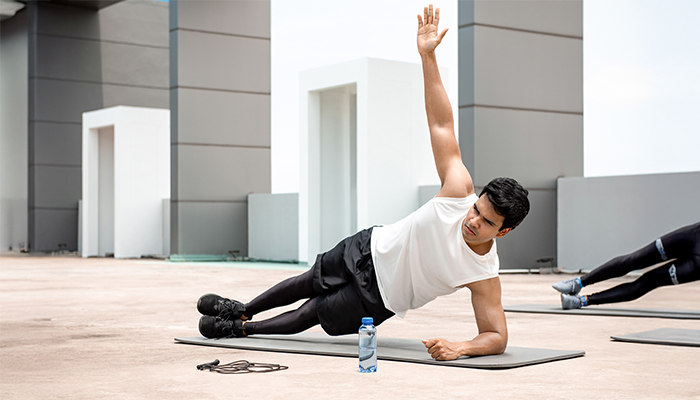
Planks fit perfectly into many routines. Whether you’re doing yoga, strength training, or cardio, a plank can be the bridge between exercises. It engages the entire body without needing any equipment.
Use planks during warm-ups or cool-downs. Combine them with lunges, push-ups, or squats for a full-body workout. They’re also a great way to stay active during commercial breaks or Zoom meetings.
Planks are a type of isometric core workout, meaning the muscles stay engaged without movement. This type of exercise boosts muscular endurance, improves joint stability, and enhances control.
Because you’re not moving, it’s easier on the joints. Yet, the intensity is real. Holding that position for just 30 seconds can make your muscles tremble—and grow stronger over time.
Holding a plank is as much about mental strength as it is about physical strength. When your body wants to quit, your mind keeps you going. The 30-second plank challenge teaches patience, focus, and self-discipline.
You’ll learn to push past discomfort, stay calm under pressure, and commit to small goals. These skills can help in other areas of your life, too, from work to personal challenges.
Tracking your progress keeps you motivated. Use a timer or fitness app to record how long you can hold a plank. Try increasing your hold time each week or adding one new variation.
You can also take photos to see how your posture and muscle tone improve. Write down your feelings, energy levels, and any pain you experience. This will help you see the full picture of your progress.
Planks are truly one of the most powerful and efficient exercises you can do. Whether you’re aiming for a stronger core, better posture, or relief from back pain, a few seconds a day can take you a long way. With endless variations, they fit any fitness level and require no equipment.
The plank exercise benefits are too good to ignore. So take on the 30-second plank challenge, build a daily plank routine, and explore the best plank variations that suit you. Strengthen your body, sharpen your mind, and make those 30 seconds the best part of your day.