Loading...
loading...

Yes, but only when you use refined, low-erucic, food-grade mustard oil in moderation. Avoid using unrefined or cold-pressed types regularly.
Heart patients should avoid mustard oil due to its erucic acid content, which may affect heart health. Oils like olive or rice bran oil are better options.
Yes. Some people experience allergic reactions to mustard oil, such as redness, itching, or rashes, especially after topical use.
No. Mustard oil during pregnancy is not recommended, as its compounds may affect maternal and foetal health. Use safer alternatives like sunflower or olive oil.


Mustard oil has long been valued for its distinctive flavour and traditional applications in Indian households, from cooking to massage. Its sharp aroma and taste make it a favourite in several regional cuisines. However, beyond its cultural charm, there are growing concerns about its safety and health implications. These depend significantly on its composition, processing methods, and how it’s used.
While food-grade, refined mustard oils (lower-erucic or blended variants) are permitted in some regions, traditional cold-pressed versions may contain higher levels of erucic acid (EA), a fatty acid associated with potential health risks. Over time, research has shown that not all forms of mustard oil are equally safe, especially when used excessively or without awareness of their composition.
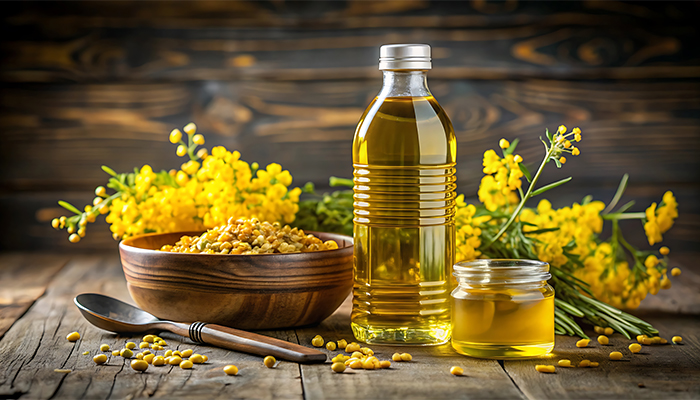
Mustard oil is extracted from mustard seeds, containing both monounsaturated and polyunsaturated fats, which are generally considered healthy. However, what makes it controversial is its erucic acid content.
Erucic acid is a long-chain fatty acid that, in large amounts, can be harmful. Studies conducted on animals have shown that excessive erucic acid can cause myocardial lipidosis, a condition where fat builds up in the heart muscle. Due to such findings, several countries, including the United States and Canada, have banned mustard oil for edible use.
In India, however, mustard oil continues to be widely used, particularly in eastern and northern states. The key lies in moderation and choosing the right type of mustard oil for safe consumption.
The concerns surrounding mustard oil can be grouped into two main categories: systemic toxicity and topical harm.
High intake of erucic acid through unrefined mustard oil has been linked to heart-related issues. A study published in the European Journal of Lipid Science and Technology suggested that long-term consumption of oils with high erucic acid content could interfere with fat metabolism and cardiac health.
This is particularly worrying for individuals who consume mustard oil daily or use it as their primary cooking medium. Continuous exposure may lead to fat accumulation in the heart muscle, which, over time, could contribute to cardiovascular diseases.
Mustard oil has traditionally been used for massages, especially in infants and athletes. While it’s believed to improve blood circulation and muscle flexibility, modern studies show that its topical application can be risky.
Research indicates that repeated use on the skin can impair the skin barrier function and cause erythema (redness) or even blister formation. Individuals with skin conditions like eczema or dermatitis are particularly vulnerable. Babies, whose skin barrier is still developing, may experience irritation or rashes when mustard oil is used for massages.
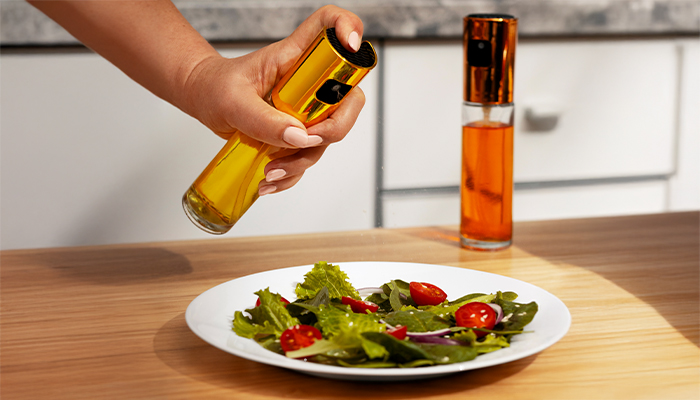
While mustard oil is popular in Indian kitchens, not everyone should use it. Here’s a closer look at who needs to be cautious and why.
Mustard oil is often seen as a “traditional” heart-healthy oil because of its unsaturated fat content. However, its erucic acid content tells another story. For heart patients or individuals with high cholesterol levels, the risks may outweigh the benefits.
A 2020 review in the Journal of Food Science and Nutrition found that high erucic acid intake could negatively affect lipid metabolism, making it unsafe for those with cardiovascular disease or hypertension. Therefore, heart patients should switch to oils like olive oil, canola oil, or rice bran oil, which are proven to support heart health.
If you have sensitive skin, eczema, or dermatitis, it’s best to avoid applying mustard oil directly. The oil contains compounds like allyl isothiocyanate, which may irritate the skin or cause allergic reactions. Repeated use can also damage the skin’s natural barrier.
If you enjoy the warmth of mustard oil massages, choose dermatologist-approved alternatives like coconut oil or almond oil. Always perform a patch test before applying any oil directly to your skin.
Mustard oil is also not recommended during pregnancy or breastfeeding. The same compound that gives mustard oil its strong aroma, allyl isothiocyanate, may have adverse effects on foetal development or maternal health when used excessively. Moreover, the erucic acid content could interfere with fat metabolism during this sensitive phase.
Doctors and dieticians recommend replacing mustard oil with safer cooking options like sunflower oil or refined olive oil during pregnancy.
In many Indian households, mustard oil is still used for baby massages. While it’s a long-standing tradition, studies now suggest that it can disrupt the infant’s skin barrier, leading to rashes and irritation. Paediatric dermatologists recommend avoiding mustard oil altogether for infants and opting for mild, baby-safe oils.
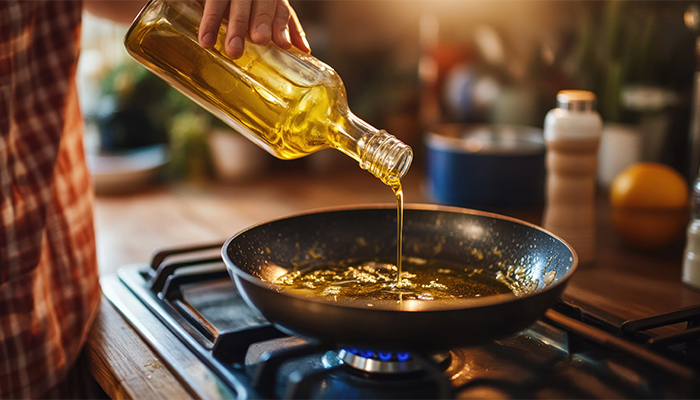
This is one of the most debated questions among Indian households. The answer lies in the type of mustard oil and how you use it.
If you prefer mustard oil for its flavour, choose refined, food-grade, low-erucic variants from reputable brands. These oils are processed to reduce harmful compounds while retaining the distinct taste. However, even refined mustard oil should be used occasionally, not daily.
For deep frying or regular cooking, switch to oils with proven cardiometabolic benefits such as:
Comparing mustard oil and refined oil depends on what you prioritise: flavour, health, or heat stability. Mustard oil gives food a rich, pungent aroma, but refined oils are safer for everyday use.
Refined oils undergo processing that removes impurities and harmful compounds like erucic acid. Although some nutrients are lost during refinement, they remain more stable for high-temperature cooking and have a lower risk of toxicity. Therefore, if safety and heart health are your priorities, refined or blended oils are a smarter choice.
In Ayurveda, mustard oil holds a special place. It is believed to improve circulation, stimulate appetite, and reduce muscular stiffness when used correctly. Ayurvedic practitioners recommend it for external use, mainly in massages, but in moderation.
However, modern interpretations of Ayurveda also recognise that today’s mustard oils are not the same as ancient, unrefined versions. Due to hybrid cultivation and industrial processing, the balance of compounds has changed, making it essential to use them cautiously and in the right context.

As a dietician’s perspective suggests, mustard oil remains a beloved part of Indian cuisine but demands cautious use. The erucic acid it contains can cause toxic effects on the heart, as seen in various animal studies. This is why countries like the U.S. have restricted the edible use.
People with cardiovascular disease, high cholesterol, or metabolic syndrome should be especially careful. Likewise, those with skin sensitivity or allergies must avoid it topically. Pregnant and lactating women should also steer clear, given possible risks to maternal and foetal health.
Dietitian - Riya Mehta’s recommendations include:
Growing up in a Bengali household, I always associated mustard oil with comfort. It flavoured our curries, fried fish, and even our massage oils. But when my father was diagnosed with high cholesterol, our family doctor advised us to reconsider our cooking oil.
We switched to a low-erucic blend of mustard oil, using it sparingly for its unique flavour while depending more on olive and sunflower oils for daily use. Over time, his cholesterol levels improved, and our meals still carried the essence of mustard, just in a healthier way.
This experience taught me that traditional ingredients, though familiar and cultural, must evolve with modern health awareness.
For anyone looking to balance nutrition and taste safely, professional diet planning through nutrition support can help you make informed, personalised choices suited to your lifestyle and health goals.
Mustard oil undoubtedly carries cultural significance and culinary appeal. Yet, understanding its side effects, composition, and health risks is essential for safe use. While refined, food-grade variants can be enjoyed occasionally for flavour, unrefined mustard oil is best avoided by heart patients, pregnant women, and individuals with sensitive skin.
By staying informed and choosing your oils wisely, you can enjoy the taste of tradition without compromising your health. Remember, balance is key, and when in doubt, consult a dietician or explore guided nutrition plans through FITFEAST to tailor your oil choices to your health needs.