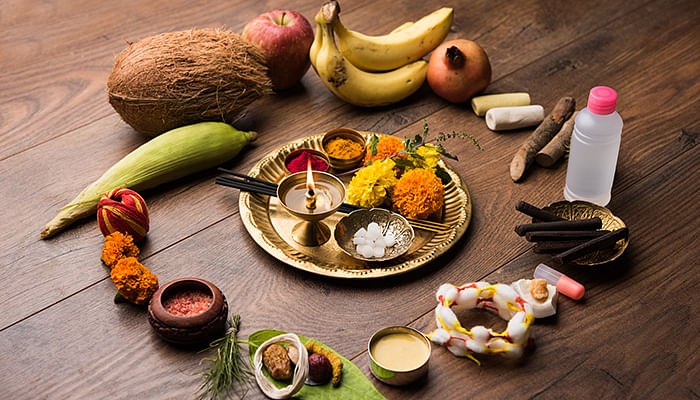
Navratri fasting is both a spiritual practice and a shift in everyday eating habits. For nine days, many people across India replace regular meals containing grains and pulses with fasting-permitted foods such as fruits, dairy, nuts, and vrat-friendly ingredients like sabudana, singhara atta, and kuttu atta. Without a clear nutritional plan , it is easy to finish those nine days feeling weak, losing muscle you spent months building, or gaining fat from the wrong vrat foods.
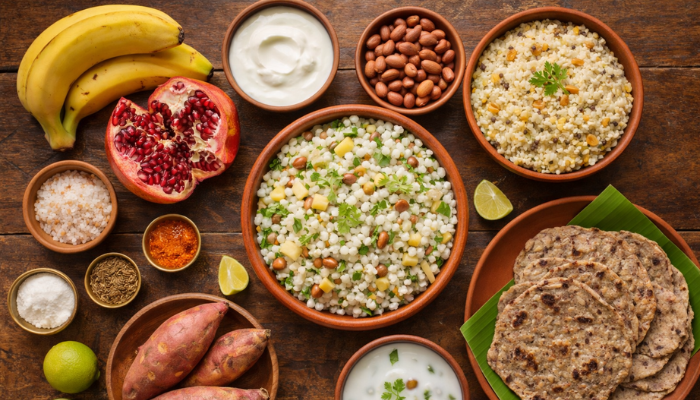
The good news is that Navratri-permitted foods are far more nutritionally capable than most people realise. With the right choices, you can maintain muscle, continue your workouts , manage weight, and stay energised throughout the nine days. The difference comes down to what you eat and how you structure your meals.
This guide explains how to build a balanced Navratri fasting diet, including protein sources, meal combinations, hydration strategies, and practical meal-planning tips to help you stay energised during the fast.
How Navratri Fasting Changes Your Nutritional Needs
A Navratri fast removes several staple food groups at once, including grains like wheat and rice, most legumes, onion, garlic, and all non-vegetarian protein sources. This sudden shift in diet can create nutritional gaps that many people do not consciously address, which is why fatigue, weakness, and low energy are common complaints by Day 4 or 5 of the fast.
The three biggest nutritional shifts during Navratri fasting are:
1. Protein intake drops sharply
Most everyday Indian protein sources such as dal, rajma, chicken, and eggs are typically avoided during Navratri. Without intentional replacements from fasting-permitted foods such as dairy, nuts, seeds, and certain flours, daily protein intake can fall significantly, often to around 25–35 grams per day, which is far below what most active adults require.
2. Carbohydrate quality changes
Many commonly consumed vrat carbohydrates foods such as sabudana, potatoes, and sama rice are largely starchy and digest quickly. When eaten without adequate protein or healthy fats, they can cause rapid blood sugar spikes followed by energy dips, leading to hunger and fatigue during the day.
3. Micronutrient intake may decline
Restricting legumes, whole grains, and certain vegetables can reduce the intake of nutrients such as iron, fibre, zinc, and B-vitamins. Over several days, this can contribute to tiredness, digestive irregularities, and slower recovery if the diet is not planned carefully.
A well-structured Navratri nutrition plan addresses all three of these gaps by balancing protein, carbohydrates, healthy fats, and micronutrients rather than focusing on just one aspect of the diet.
What Foods Are Allowed During Navratri Fasting?
Navratri fasting foods generally follow sattvic dietary principles, which emphasise simple, vegetarian meals and avoid certain grains, onions, and garlic.
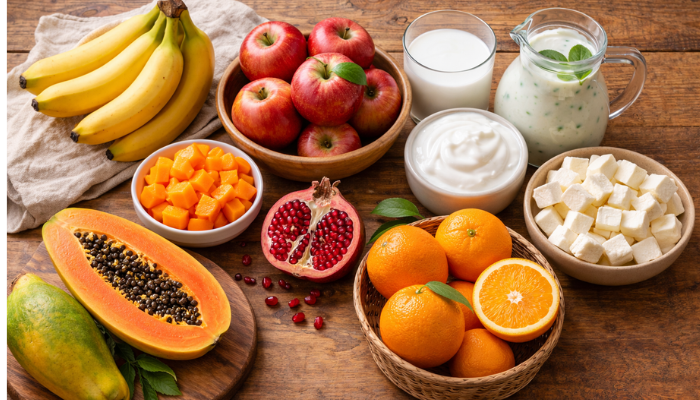
Commonly permitted foods include:
-
Fruits
Fresh fruits provide natural sugars, hydration, and vitamins. Popular options include:
- Bananas
- Apples
- Papaya
- Pomegranate
- Oranges
Bananas are particularly useful because they provide quick energy and potassium, which may help support muscle function during fasting. Many people also prepare banana shake with milk and cardamom, which combine carbohydrates, protein, and fluids in one simple drink.
-
Dairy products
Milk , yogurt, paneer, and buttermilk are widely consumed during Navratri fasting because they provide protein, calcium, and sustained energy.
Paneer and curd are especially useful for maintaining muscle strength during the fasting period.
-
Fasting grains and flours
Several grains and flours are traditionally allowed during Navratri. Examples include:
- kuttu (buckwheat flour)
- singhara (water chestnut flour)
- rajgira (amaranth grain)
- sama rice (barnyard millet)
These ingredients are commonly used to prepare rotis, pancakes, or khichdi during fasting.
-
Vegetables allowed during fasting
Some vegetables are permitted because they align with fasting traditions. Common options include:
- Potatoes
- Sweet potatoes
- Pumpkin
- Bottle gourd
- Cucumber
These vegetables provide carbohydrates, fibre, and essential nutrients.
-
Fasting snacks
Some widely consumed fasting snacks include:
- makhana (fox nuts)
- roasted peanuts
- sabudana dishes
- fruit smoothies like banana shake
Sabudana is particularly popular because it provides quick energy due to its carbohydrate content.
Why Protein Should Be Your First Priority
Protein is one of the most important nutrients to focus on during Navratri fasting. It plays a key role in helping your body stay strong and energised when your usual diet changes.
During fasting, people often eat fewer calories than usual. When the body receives less energy from food, it may start breaking down muscle tissue to meet its needs. Eating enough protein helps prevent this. The amino acids in protein signal the body to maintain muscle rather than use it for energy.
Protein also helps control hunger. It digests more slowly than many carbohydrate foods, which helps you feel full for a longer time. This can reduce overeating during the next meal.
Another benefit of protein is better blood sugar balance. Meals that contain only carbohydrates can cause quick spikes and drops in energy. Adding protein to meals helps slow digestion and keeps energy levels more stable throughout the day.
For these reasons, prioritising protein in your Navratri diet can help support muscle health, improve satiety, and maintain steady energy levels during the fast.
How Much Protein Do You Need During Navratri?
The recommended daily protein intake varies by how active you are during the fast.
|
Activity Level
|
Daily Protein Target
|
|
Rest only, no exercise
|
0.8 to 1.0g per kg of body weight
|
|
Light activity like yoga, walking
|
1.0 to 1.2g per kg of body weight
|
|
Bodyweight or gym training
|
1.2 to 1.5g per kg of body weight
|
For example, a 65 kg person practicing light yoga during Navratri would need roughly 65 to 78 grams of protein per day. A 75 kg person doing bodyweight workouts may require around 90 to 112 grams daily to maintain muscle and energy levels.
In reality, many people fasting for Navratri consume only 25 to 40 grams of protein per day because common fasting meals rely heavily on carbohydrates such as sabudana or potatoes. Without planning, this amount is often far below the body’s needs.
One important principle is protein distribution across meals. Instead of consuming most of your protein in a single meal, it is more effective to spread it throughout the day. Eating about 20 to 30 grams of protein in each meal helps the body use amino acids more efficiently for muscle maintenance and recovery.
Since protein requirements vary depending on activity levels, consulting a nutritionist can help you plan the right intake during Navratri fasting.
Best High-Protein Foods Allowed During Navratri Fast
These are the highest-protein foods fully permitted during Navratri, with realistic serving sizes and protein content:
|
Food
|
Serving
|
Protein
|
|
Paneer (cottage cheese)
|
100g
|
18 to 20g
|
|
Plain yoghurt / curd
|
1 cup (240ml)
|
12 to 14g
|
|
Full-fat milk
|
250ml
|
8g
|
|
Roasted or soaked peanuts
|
30g
|
7g
|
|
Soaked almonds
|
30g
|
7g
|
|
Amaranth / Rajgira flour
|
100g
|
13 to 14g
|
|
Pumpkin seeds
|
30g
|
5g
|
|
Watermelon seeds (magaz)
|
30g
|
5g
|
|
Makhana (fox nuts)
|
50g
|
4 to 5g
|
|
Sama / barnyard millet
|
100g
|
6 to 7g
|
|
Singhara atta (water chestnut flour)
|
100g
|
4g
|
|
Sabudana (tapioca pearls)
|
100g
|
1.6g
|
Carbohydrates During Navratri: What Works and What Doesn't
Carbohydrates are your body's primary energy source, and they still play an important role during Navratri fasting, but the type of carbohydrate matters significantly.
Better carbohydrate choices during Navratri:
- Kuttu (buckwheat) flour
Kuttu is one of the more balanced carbohydrate options during Navratri. It digests more slowly than many other vrat foods and also contains small amounts of protein and fibre. Kuttu flour can be used to prepare rotis, cheela, or dosas that provide steadier energy.
- Sama rice (barnyard millet)
Sama rice is another good fasting grain alternative. Compared to sabudana, it offers more protein and fibre and tends to be lighter on digestion. It works well in dishes such as sama rice khichdi or curd-based preparations.
- Sweet potato
Sweet potatoes provide natural carbohydrates along with potassium and fibre. Because they contain more fibre than regular potatoes, they can help maintain energy levels for longer during the fasting day.
Carbohydrates to Limit
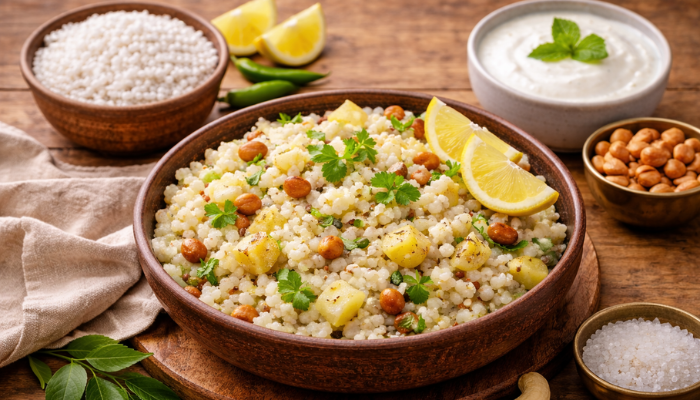
Sabudana and large portions of regular potato are commonly eaten during Navratri but are mostly starch with limited fibre or protein. When consumed in large quantities, especially without protein or healthy fats, they can cause quick blood sugar spikes followed by energy drops and increased hunger.
For better energy balance during Navratri, combine carbohydrate foods with protein sources such as dairy, nuts, or seeds so that meals digest more slowly and keep you satisfied for longer.
Healthy Fats During Navratri Fasting
Healthy fats serve three important functions during Navratri fasting: they provide slow-burning sustained energy, they support the absorption of fat-soluble vitamins (A, D, E, K), and they keep you satisfied between meals.
Best fat sources during Navratri:
- Ghee - Use ghee in small amounts for cooking; it supports digestion and provides fat-soluble vitamins
- Coconut oil - Suitable for high-temperature cooking; contains medium-chain triglycerides (MCTs) that provide fast-acting energy
- Mixed nuts (almonds, cashews, walnuts) - provides omega-3s and slow-release energy alongside protein
- Pumpkin seeds and watermelon seeds - combine healthy fats with a meaningful protein contribution
Avoid deep-frying in large amounts of refined oils. The calorie load from fried vrat foods significantly outpaces their nutritional contribution.
Navratri Fasting and Weight Loss
Navratri fasting often leads to a natural calorie deficit, and when managed properly, this deficit can support healthy fat loss.
When your calorie intake decreases, the body first uses stored glycogen for energy. After these stores are reduced, the body gradually shifts toward using fat as a primary energy source. This is one reason many people notice some weight loss during the Navratri fast.
However, the quality of that weight loss depends largely on protein intake. When your diet includes enough protein, the body is more likely to lose fat while preserving muscle. If protein intake is too low, the body may break down muscle tissue along with fat for energy.
Losing muscle during fasting can slow metabolism and reduce strength, making it harder to return to normal fitness routines after the fast. Maintaining adequate protein intake helps protect muscle mass and supports healthier weight loss during Navratri.
How to Maintain Energy During Navratri Fasting
Many people experience temporary fatigue during Navratri fasting, especially when meals are not nutritionally balanced. Following a few simple dietary habits can help maintain steady energy levels throughout the day.
- Pair carbohydrates with protein
Foods such as sabudana and potatoes provide quick energy, but eating them alone can lead to blood sugar fluctuations. Combining them with protein sources like paneer, yogurt, or nuts helps maintain more stable energy levels.
- Eat smaller, balanced meals
Instead of having one or two large meals, spreading food intake across the day can prevent sudden hunger and energy dips. Smaller meals are also easier for the body to digest.
- Include healthy fats
Nuts and seeds provide healthy fats that slow digestion and help keep you full for longer. Adding almonds, peanuts, or seeds to meals can support sustained energy.
- Stay well hydrated
Drinking enough water throughout the day is important during fasting. Hydrating foods such as fruits, yogurt, and buttermilk can also help reduce headaches, fatigue, and dizziness.
Hydration: How Much and What to Drink
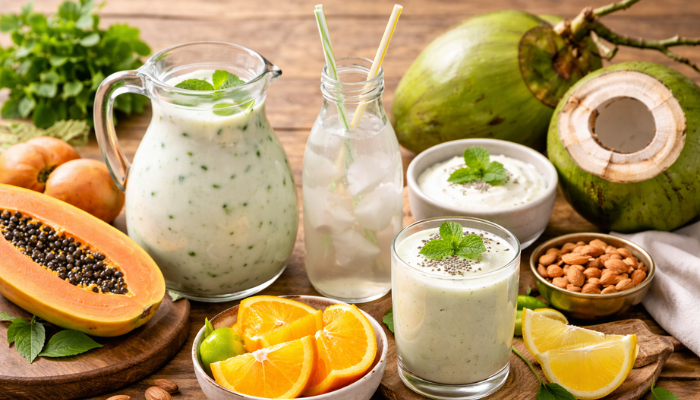
Dehydration is the most common and most preventable cause of fatigue during Navratri fasting.
Many people focus entirely on food during a fast and unconsciously reduce fluid intake at the same time. Even mild dehydration as little as 2% of body weight in fluid loss can reduce physical energy, impairs concentration, and accelerates muscle fatigue.
Daily fluid targets:
- Aim for 2.5 to 3 litres of total fluids per day
- Coconut water (1 to 2 glasses) replaces electrolytes like sodium, potassium, and magnesium naturally
- Herbal teas (ginger, tulsi, chamomile) hydrate without spiking blood sugar
- Plain water with a small pinch of sendha namak (rock salt) maintains sodium balance during sweating
Limit caffeinated drinks. Regular tea and coffee act as mild diuretics.They contribute to fluid loss rather than retention, which worsens dehydration on already restricted eating days.
Maintaining Balanced Nutrition During Navratri
Navratri fasting temporarily changes eating habits, but it does not have to compromise nutrition or energy levels.
By including nutrient-dense foods such as fruits, dairy products, nuts, fasting grains, and vegetables, it is possible to maintain strength while observing the fast.
A thoughtful approach to meal planning, hydration, and variety in foods allows individuals to follow Navratri traditions while supporting overall health and well-being.