Table of Contents
Body fat is a natural part of our body composition. But when it comes to maintaining health and fitness, knowing your body fat percentage is more important than just looking at your weight on a scale.
In this blog, we’ll explain body fat percentage and how to measure it accurately. Whether you’re on a weight loss journey or simply want to live healthier, understanding this number can help you stay on track.
Body fat percentage is the percentage of your total body weight that comes from fat. The rest of your weight is made up of lean mass, including muscles, bones, organs, and water. This simple figure offers a much better understanding of your body composition than just your weight or BMI (Body Mass Index).
Unlike BMI, which doesn’t distinguish between fat and muscle, body fat percentage tells you exactly how much fat your body is craving. This makes it a more reliable indicator of fitness and health.
You might wonder why it’s important to know your body fat percentage. The answer lies in your overall health and how your body functions. Too much fat increases your risk of chronic diseases such as diabetes, heart disease, and even certain types of cancers. On the other hand, too little body fat can also be dangerous, as it may weaken your immune system, reducing energy levels and disturbing hormonal balance.
This is where the concept of essential body fat percentage comes in. Essential fat is the minimum amount of fat your body needs to function properly. It supports cell structure, protects organs, and regulates body temperature.

The ideal body fat percentage can vary depending on factors like age, gender, and activity level. Men and women naturally have different body fat ranges, and as we age, our body tends to store more fat.
Here’s the basic breakdown of body fat percentage for men and body fat percentage for women:
Body fat percentage for men:
- Essential fat: 2% to 5%
- Athletes: 6% to 13%
- Fitness: 14% to 17%
- Acceptable: 18% to 24%
- Obese: 25% and above
Body fat percentage for women:
- Essential Fat: 10% to 13%
- Athletes: 14% to 20%
- Fitness: 21% to 24%
- Acceptable: 25% to 31%
- Obese: 32% and above
These figures help determine what falls into the optimal body fat range. Keep in mind that these are general guidelines, and personal goals may vary.
As we grow older, our metabolism slows down, and our body tends to retain more fat. So, what is considered a healthy body fat percentage at 20 might not be the same at 50. Here’s a quick look at age-based recommendations:
For women:
- Age 20-39: 21%-32%
- Age 40-59: 23%-33%
- Age 60-79: 24%-35%
For men:
- Age 20–39: 8%–19%
- Age 40–59: 11%–21%
- Age 60–79: 13%–24%
This body fat percentage chart offers a general view, but it’s always a good idea to aim for what feels right for your body, energy levels, and fitness goals.
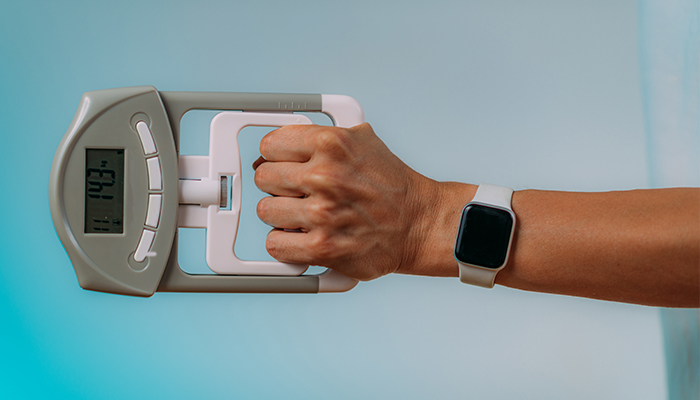
Now that you know why it’s important, let’s look at how to measure body fat percentage. There are several methods you can try, ranging from simple at-home tools to professional medical techniques.
This is one of the most affordable and widely used tools. It involves pinching the fat at specific points on your body and measuring the thickness of the fold.
Commonly found in gym machines and smart scales, this method sends a small electrical current through the body to estimate fat mass.
A highly accurate test is often used in clinical settings. It scans your entire body to analyse bone density and body composition.
Also known as underwater weighing, this method measures body density to estimate fat percentage. It’s very accurate but not easily accessible.
If you prefer convenience, you can use the online body fat calculator. Most calculators ask for inputs like age, weight, height, and waist measurements to give you a quick estimate.
Regardless of the method you use, aim for consistency. Measure under similar conditions each time — same time of the day, same hydration level — for the most accurate tracking.
Using a body fat percentage chart tool can simplify the process of tracking your progress. These tools usually combine data like age, gender, and physical measurements to show where you stand in terms of fitness.
If you find yourself in the “obese” category, don’t panic. It’s a chance to assess your habits and set realistic goals. Similarly, if you’re in the “athlete” range, it doesn’t automatically mean you’re healthy—other factors like sleep, stress, and diet also play a big role.
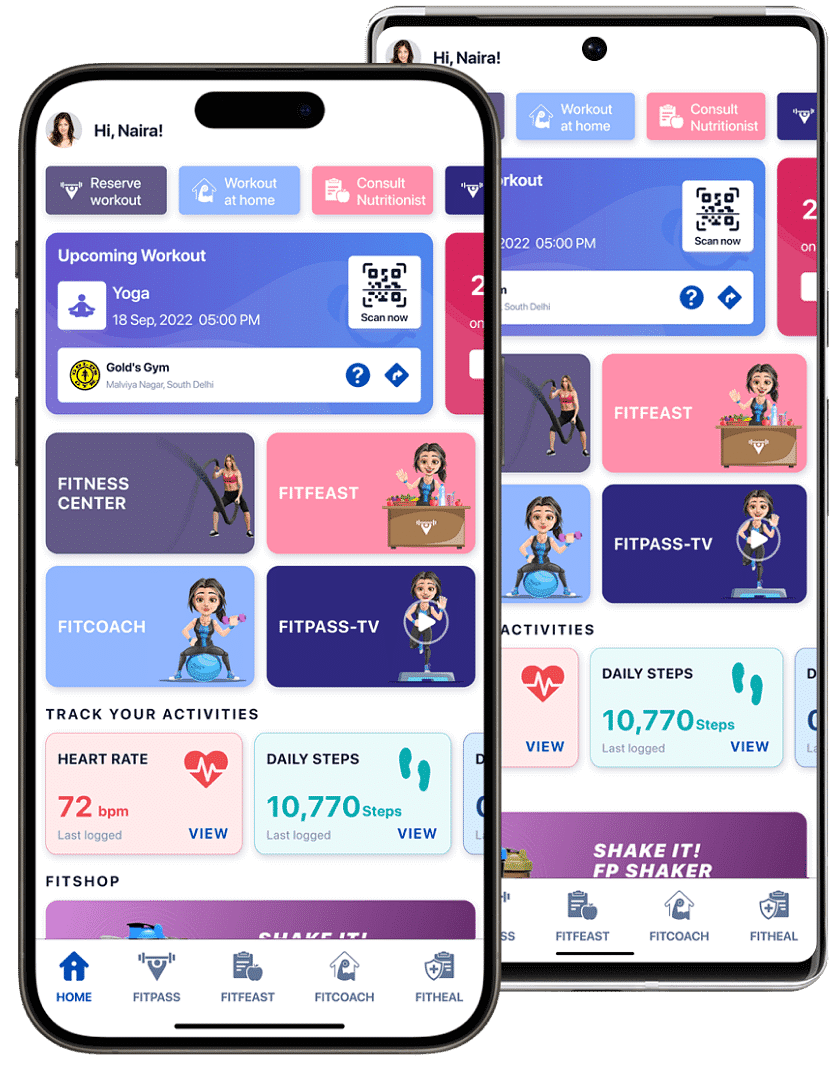
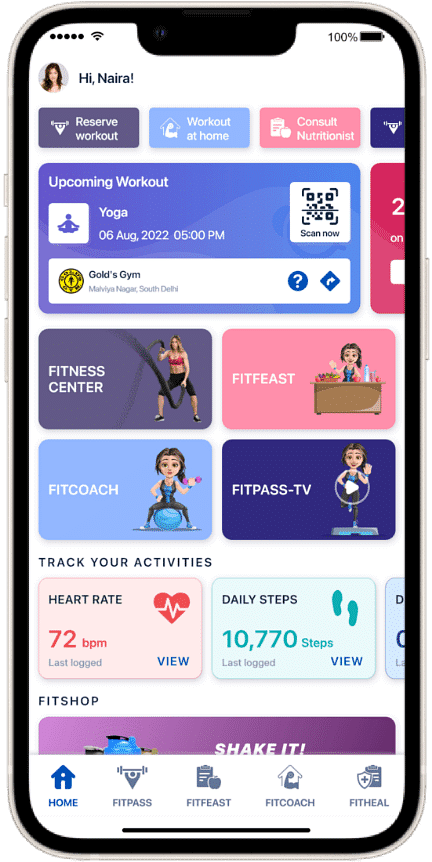
Platforms like FITFEAST can help you stay on top of your body composition goals. With personalised meal plans, fitness tracking, and regular updates, FITFEAST is designed to help you stay motivated and educated about your health.
Monitoring your body fat percentage regularly using FITFEAST or a similar tool can help you make small but impactful changes to your lifestyle. Whether your goal is fat loss, muscle gain, or overall fitness, understanding your body better is the first step.
Your recommended body fat percentage depends on what you want to achieve. Here are a few general goals and their ideal ranges:
- Weight Loss: Aim to reduce fat while preserving lean muscle. Men can target 10%–15%, women 18%–25%.
- Muscle Building: Stay within the fitness range to maintain energy and hormonal balance.
- Athletic Performance: Elite athletes often aim for lower percentages, but under professional guidance.
Always speak to a health professional before setting any extreme goals.
If your current number isn’t in the optimal body fat range, don’t worry. There are healthy ways to work towards your goal:
- Exercise Regularly: Focus on strength training and cardio to burn fat and build lean muscle.
- Eat Balanced Meals: Include more protein, vegetables, and healthy fats. Use tools like FitFeast for guidance.
- Stay Hydrated: Water helps with digestion and can control hunger.
- Sleep Well: Lack of sleep can increase stress and lead to weight gain.
- Track Progress: Use a body composition measurement method that suits you and stick to it.
Making gradual, sustainable changes is far better than extreme diets or overtraining.