Work has always been a central part of life, but in today’s fast-paced world, employees are facing more pressure than ever. Heavy workloads, tight deadlines, and blurred boundaries between personal and professional life often lead to stress, burnout, and reduced productivity. As these challenges rise, the role of employers in ensuring employee mental health becomes critical. Companies that actively promote mental well-being at work not only create a healthier workforce but also achieve better engagement, loyalty, and long-term growth.
- Employers play a vital role in workplace stress management by creating supportive environments.
- Workplace wellness programmes and employee wellbeing initiatives reduce absenteeism and improve morale.
- Mental health policies for employers ensure psychological safety and prevent burnout.
- Flexible work, supportive leadership, and open communication enhance mental health in the workplace.
- Organisations that invest in corporate mental wellness gain higher productivity and better retention.

A workforce that struggles with poor mental health is less likely to perform at its best. According to a 2021 report by the World Health Organisation (WHO), depression and anxiety disorders cost the global economy an estimated $1 trillion each year in lost productivity. When employees feel emotionally exhausted, it impacts not only their health but also their ability to collaborate and innovate.
Employers who provide mental health support at work enable employees to manage challenges better, while also reducing absenteeism, presenteeism, and staff turnover. By treating mental health with the same seriousness as physical health, businesses can foster a culture of trust and resilience.
Before building strategies, employers must first understand the root causes of stress at work. Some common triggers include:
- Excessive workloads and unrealistic deadlines.
- Lack of clarity in roles and responsibilities.
- Poor communication from leadership.
- Limited opportunities for career growth.
- Lack of work-life balance.
- Workplace conflicts or lack of inclusivity.
By identifying these issues early, employers can take effective steps towards stress reduction for employees and ensure a stress-free work environment.

Establishing mental health policies for employers sends a strong message that the organisation cares about employee wellbeing. Policies should outline support mechanisms such as mental health days, access to counselling, and protocols for addressing burnout. A clear framework encourages employees to seek help without stigma.
Remote work, hybrid models, or flexible schedules allow employees to balance professional and personal responsibilities. Research from the CIPD (Chartered Institute of Personnel and Development) shows that employees with flexible work arrangements report better well-being and greater job satisfaction. By offering flexibility, companies demonstrate a genuine commitment to employee well-being initiatives.
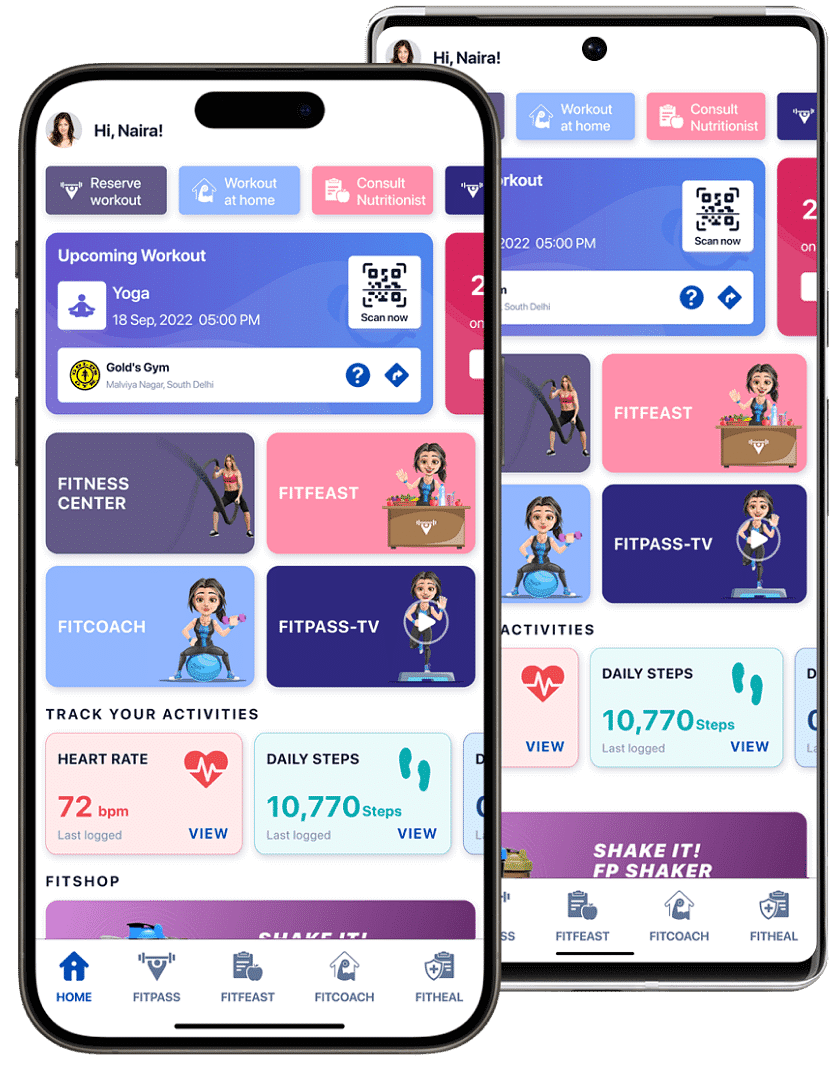
Wellness programmes can include fitness memberships, mindfulness sessions, stress management workshops, or access to nutrition experts. For example, solutions like FITPASS provide employees with access to gyms, yoga studios, and wellness sessions, encouraging them to stay physically active, which directly supports mental well-being at work.
Leadership plays a crucial role in burnout prevention. When managers model healthy work habits, listen actively, and provide emotional support in the workplace, employees feel valued and safe. Supportive leadership also fosters psychological safety at work, where employees can share challenges without fear of judgment.
Providing access to therapy, employee assistance programmes, or digital mental health platforms is a practical way to reduce stress at work. Employers can also invest in resilience training, mindfulness apps, or health insurance plans that cover counselling sessions. Such mental health benefits reinforce the company’s long-term commitment to wellbeing.

Creating a stress-free work environment doesn’t mean eliminating all challenges; it means equipping employees with the tools and support to handle them. Practical steps include:
- Ensuring realistic workloads and fair deadlines.
- Encouraging regular breaks and annual leave.
- Providing quiet zones for relaxation or meditation.
- Recognising and rewarding employee efforts.
- Promoting inclusivity and open dialogue.
These small but significant efforts can collectively enhance mental health in the workplace and nurture a happier workforce.
Companies that invest in workplace wellness programmes often see measurable benefits. A study published in the Journal of Occupational and Environmental Medicine found that organisations with wellness initiatives reported a 28% reduction in employee sick leave and a 19% improvement in job satisfaction.
Such programmes not only reduce absenteeism but also improve employee engagement. When employees know that their employers care about their overall well-being, they are more motivated to contribute to the organisation’s goals.
One of the biggest barriers to mental health support at work is stigma. Employees often hesitate to speak up due to fear of discrimination. Employers can break this silence by:
- Hosting awareness workshops and training sessions.
- Encouraging leaders to share their own experiences.
- Creating safe spaces for discussions.
- Normalising the use of counselling services.
When conversations around corporate mental wellness become regular and open, it builds trust and reduces the burden of isolation.
I once worked in an organisation where long hours and constant deadlines were the norm. Burnout was rampant, and employees felt exhausted. However, things changed when the leadership introduced new employee wellbeing initiatives. They offered flexible work hours, weekly mindfulness sessions, and access to counselling services.
Within months, the atmosphere improved. People felt more supported, absenteeism dropped, and productivity levels rose. Personally, I noticed a dramatic improvement in my own ability to manage stress and stay motivated. This experience proved to me that genuine investment in employee mental health creates a workplace where people can thrive.

Employers don’t need to wait for large budgets or long planning cycles. Some small but impactful steps they can implement right away include:
- Scheduling regular check-ins with employees.
- Allowing short daily breaks for mental recharge.
- Recognising achievements, big or small.
- Providing resources on stress management.
- Encouraging physical activity during the day.
Even minor changes can contribute to meaningful stress reduction for employees.
Investing in mental health support at work is not just about helping employees; it’s also about strengthening the organisation. Long-term benefits include:
- Higher employee engagement and loyalty.
- Reduced staff turnover and recruitment costs.
- Greater innovation and creativity.
- Stronger company reputation.
- Improved financial performance.
Simply put, when employees feel mentally strong and valued, businesses grow.
Workplace stress will always exist to some degree, but with the right employer mental health strategies, companies can create environments where employees feel safe, supported, and motivated. From workplace wellness programmes to supportive leadership and mental health benefits, every effort matters in reducing stress and promoting wellbeing.
Employers who focus on mental health in the workplace are not only building a healthier workforce but also securing long-term organisational success. In today’s competitive world, investing in mental health is no longer optional; it’s essential.