Table Of Contents
- Key Takeaways
- The Growing Concern of Screen Time Among Youth
- Why Sports Are The Best Alternative
- Benefits of Sports for Students
- How To Get Kids Off Screens and Into Screen
- Physical Activity for Teenagers: More Than Just Sports
- Digital Detox Through Sports
- Impact of Sports on Mental Health
- Creating Screen-Free Healthy Habits at Home and School
- Personal Experience: From Screen Addiction to Sports Enthusiasm
- Role of Fitness Platforms in Youth Sports
- Conclusion
The younger generation today is more connected than ever, thanks to smartphones, tablets, laptops, and gaming consoles. But while technology brings convenience, it also creates a challenge, excessive screen time. Long hours in front of screens can harm physical and mental health, especially for students and teenagers. Sports, on the other hand, provide the perfect balance. They not only reduce screen dependency but also promote fitness, discipline, and social connections.
This blog will explore how sports for youth health can act as a game-changer in reclaiming well-being, the benefits of sports for students, and why balancing screen time vs physical activity is the key to building a healthier future generation.
Key Takeaways
- Excessive screen time affects both physical and mental health in students.
- Sports for youth health encourage fitness, teamwork, and discipline.
- Shifting from digital dependence to physical activity helps in digital detox and overall development.
- Benefits of sports for students include improved focus, better academic performance, and enhanced social skills.
- Parents and schools play a key role in motivating children towards sports and reducing screen time activities.
The Growing Concern of Screen Time Among Youth

Recent reports highlight that children and teenagers spend anywhere between 4 to 8 hours daily on digital screens, excluding school-related online work. This overexposure has been linked to obesity, eye strain, poor posture, and even anxiety or depression. A study published in the Journal of the American Medical Association (JAMA) found that teenagers who spend more than 7 hours a day on screens are twice as likely to experience anxiety and depression compared to those who use them less.
This makes it clear that excessive screen time isn’t just about wasted hours; it’s about long-term health risks. The need to reduce screen time activities has never been stronger.
Why Sports Are The Best Alternative
Replacing screen time with sports is not only effective but also enjoyable. Sports for youth health work on both the body and mind. They increase stamina, strength, and flexibility while simultaneously enhancing focus and confidence.
Unlike passive scrolling on social media or endless video games, playing football, basketball, cricket, or even swimming ensures active engagement. The excitement of scoring a goal or winning a match naturally outshines the temporary thrill of digital likes or virtual victories.
Benefits of Sports for Students
Sports come with lifelong advantages, making them essential for students. Some key youth sports benefits include:
- Physical Fitness – Regular sports build muscle strength, improve cardiovascular health, and boost immunity.
- Mental Health Support – The impact of sports on mental health is remarkable. Playing games reduces stress, releases endorphins, and keeps depression at bay.
- Improved Focus and Discipline – Students who participate in sports learn time management and concentration, skills that benefit their academic life.
- Social Development – Team sports encourage communication, teamwork, and leadership.
When we compare screen time vs physical activity, it is clear that the latter contributes far more positively to student health and personal growth.
How To Get Kids Off Screens and Into Screen

Convincing children to move away from screens is a challenge. However, small steps can create big changes. Here are some youth health and fitness tips:
- Lead by Example – Parents should participate in physical activities with their kids. Family games or walks can be effective.
- Set Screen-Free Zones – No gadgets during meals or before bedtime encourages healthy routines.
- Introduce Fun Fitness Activities for Children – Swimming, cycling, or even skipping ropes can attract kids to be active.
- Encourage School Sports Participation – Schools should promote student health through physical activity by organising sports days and tournaments.
The idea is to replace gadgets with games to improve physical fitness gradually, making the transition natural and exciting for children.
Physical Activity for Teenagers: More Than Just Sports
Sports aren’t the only way to stay active. Teenagers can benefit from a variety of fitness activities for children and youth, such as dance classes, yoga, martial arts, or even adventure sports. A study by the World Health Organisation (WHO) shows that at least 60 minutes of moderate to vigorous activity per day improves both health and academic performance in adolescents.
This doesn’t mean every teenager has to become a professional athlete. The focus should be on creating a lifestyle that includes consistent physical movement.
Digital Detox Through Sports

One of the most effective ways of achieving a digital detox through sports is to shift children’s interest from the virtual to the real world. Sports give the same thrill of competition and reward, but with added health benefits.
For instance, a cricket match with friends not only burns calories but also teaches patience, teamwork, and strategy. Similarly, basketball can boost hand-eye coordination and endurance while offering excitement that no video game can replicate.
By replacing passive entertainment with active participation, sports promote screen-free healthy habits naturally.
Impact of Sports on Mental Health
Mental well-being is as important as physical health. Sports play a crucial role in reducing anxiety, improving sleep patterns, and boosting self-esteem. When students engage in team games, they feel a sense of belonging, which lowers loneliness, a common issue among teenagers hooked on screens.
Studies have shown that students who participate in sports regularly are 20–30% less likely to suffer from depression. Sports also create resilience by teaching children to handle both victory and defeat gracefully.
Creating Screen-Free Healthy Habits at Home and School

For sports to become a long-term habit, both parents and schools need to work hand in hand. At home, parents can introduce screen-free healthy habits like outdoor family games, weekend hikes, or cycling trips. At school, educators can integrate fitness breaks between classes and encourage student health through physical activity with structured programmes.
When the environment supports active living, children naturally spend less time in front of screens.
Personal Experience: From Screen Addiction to Sports Enthusiasm
When I was in school, I remember spending endless hours on video games. My parents constantly worried about my posture and lack of outdoor activity. One summer, they enrolled me in a football camp. At first, I resisted, but within weeks, I realised how much fun the game was. I not only got fitter but also made lifelong friends.
Today, I still carry that habit of playing football twice a week, and I owe my fitness and confidence to that early push. This experience made me believe that with the right encouragement, any child can turn screen time into game time.
– Ruchi Kapoor
Role of Fitness Platforms in Youth Sports
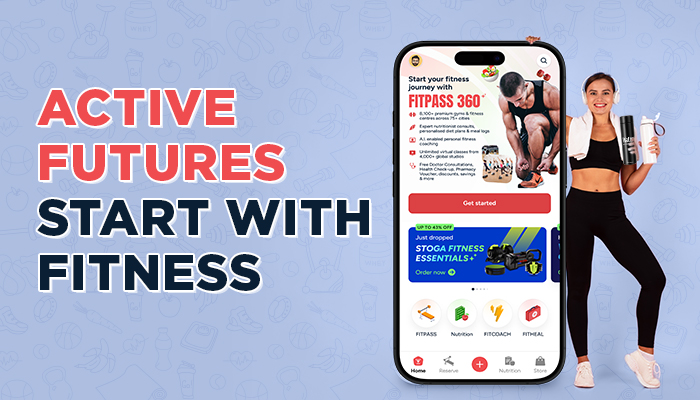
While schools and parents provide the foundation, fitness platforms also make a difference. For example, FITPASS offers flexible access to sports and fitness activities, making it easier for students and families to explore different forms of exercise. Whether it’s a Zumba class, a swimming session, or strength training, platforms like these create opportunities for youngsters to stay active and motivated.
Conclusion
The modern generation faces a serious challenge: too much screen time and too little physical activity. However, the solution lies in encouraging sports and fitness. By highlighting the benefits of sports for students and integrating more youth fitness through sports, we can reduce dependency on gadgets and nurture healthier, happier teenagers.
The shift from screen time vs physical activity to a more balanced lifestyle is not only possible but necessary. With consistent efforts from parents, schools, and communities, youth can reclaim their health, confidence, and joy through the power of sports.




How can parents reduce screen time for children?
Parents can set screen-free zones, encourage family sports, and replace gadgets with fun physical activities like cycling or swimming.
What are the best sports for youth health?
Football, cricket, basketball, swimming, and martial arts are great options. They improve stamina, teamwork, and mental health.
Can sports improve academic performance?
Yes. Sports improve concentration, time management, and stress relief, all of which contribute to better academic results.
How much physical activity is recommended for teenagers?
WHO recommends at least 60 minutes of moderate to vigorous activity daily for teenagers to maintain overall health and fitness.