Loading...
loading...


Prevention helps address stress and burnout before they escalate, saving organisations both time and resources while protecting employee health.
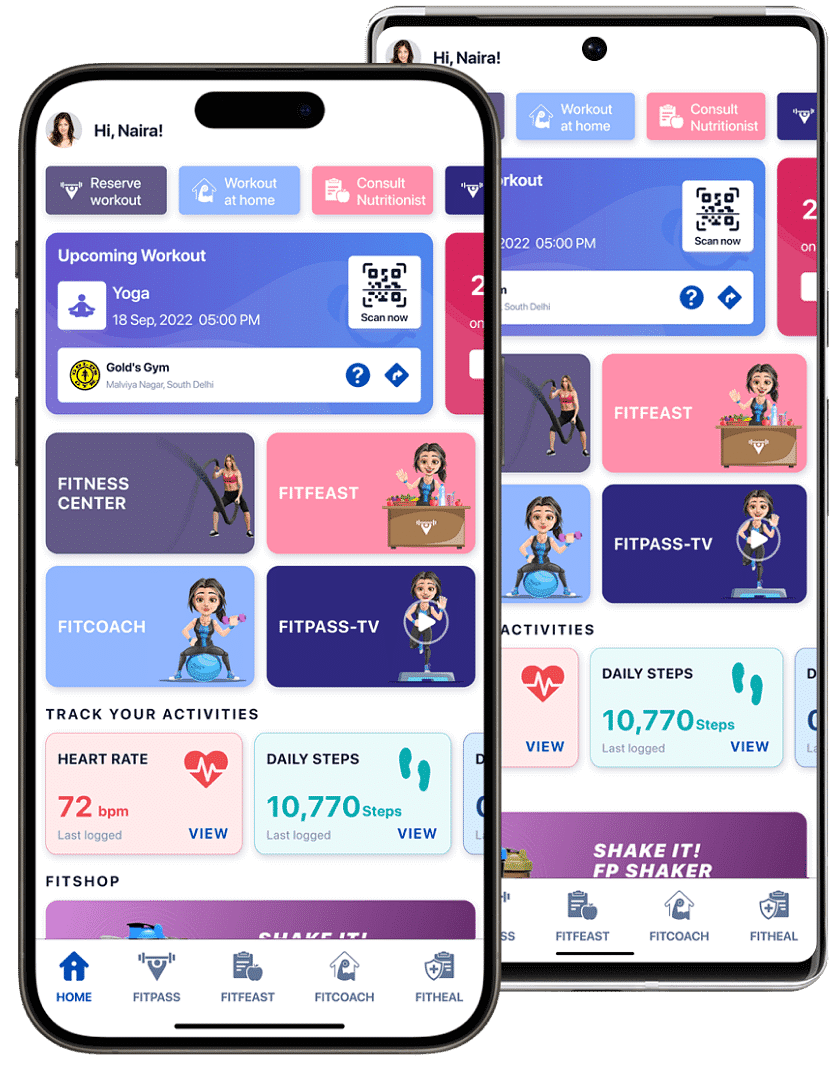
Examples include resilience training, mindfulness programmes, flexible working hours, “no-meeting days,” and access to digital fitness and nutrition platforms.
Wellness programmes reduce absenteeism, improve engagement, and enhance mental resilience at work, all of which directly impact productivity.
Managers are critical in spotting early warning signs of stress, supporting employees through empathy, and creating a culture of open communication.

Table Of Contents
Employee well-being has become more than just a trending phrase in modern workplaces; it is a fundamental aspect of building resilient, productive, and thriving organisations. With increasing cases of employee burnout, rising stress levels, and mounting mental health concerns, companies are realising that reactive measures are no longer enough. A shift from simply addressing crises to proactively preventing them is the future of workplace mental health.
This blog explores a new approach to employee wellbeing, focusing on prevention rather than cure. From workplace mental health initiatives to employee wellness programs, organisations now have the chance to reshape corporate wellbeing strategies to nurture both body and mind.

In the past, organisations often treated employee wellbeing as a benefit rather than a necessity. Employees facing stress or burnout were supported only after the issues became critical. However, workplace mental health challenges have grown significantly, forcing leaders to rethink their approach.
A 2022 Deloitte study revealed that nearly 59% of employees reported experiencing workplace stress that impacted their performance and engagement. These figures highlight why preventing employee stress must take centre stage. Corporate well-being strategies are now being designed not only to treat burnout but to stop it from escalating in the first place.
This transition represents a deeper cultural shift. Companies are starting to understand that preventing employee burnout is not just about increasing productivity; it’s about protecting human potential.
Prevention is always better than cure, and this principle applies to workplace health and wellbeing as much as physical health. Reactive approaches often come too late, when employees are already disengaged, burnt out, or even leaving the organisation.
By investing in proactive wellness initiatives, businesses can reduce absenteeism, improve engagement, and foster emotional well-being in the workplace. For instance, regular check-ins, resilience training, and early intervention for burnout can create an environment where challenges are addressed before they become crises.
Moreover, preventive strategies are cost-effective. According to the World Health Organisation, every $1 invested in mental health support at work returns $4 in improved health and productivity. This shows that employee mental health solutions are not just ethically sound but financially rewarding.

Strong corporate wellbeing strategies focus on creating environments that naturally reduce stress while supporting employees’ holistic health. These strategies are no longer just about offering a gym membership; they now include emotional, psychological, and social well-being initiatives.
Some forward-thinking companies have built organisational wellbeing programs that integrate:
By weaving these measures into the fabric of the organisation, employers create a workplace culture that is supportive and empowering.
One of the biggest mistakes companies make is waiting until employees show visible signs of burnout before acting. By then, the damage has often been done. Early intervention for burnout involves spotting the warning signs and addressing them before they escalate.
Managers play a crucial role here. Training leaders to recognise changes in behaviour, mood, or performance can help flag potential issues early. Tools such as employee surveys, anonymous feedback, and mental health assessments also give organisations insight into areas that need attention.
For example, a study published in Occupational Health Science found that early-stage interventions, such as stress management workshops, significantly reduced the likelihood of long-term burnout among employees. These findings reinforce the importance of proactive care over reactive solutions.

Another essential aspect of employee wellbeing is mental resilience. The modern workplace is fast-paced and ever-changing, making adaptability a crucial skill. Employees who can manage stress and bounce back from setbacks are more likely to remain engaged and productive.
Organisations can improve mental resilience at work through:
Such initiatives not only prevent employee stress but also build a workforce capable of thriving under pressure.
When talking about workplace health and wellbeing, organisations must take a holistic approach. Focusing solely on physical health, such as diet and exercise, ignores the emotional and psychological needs of employees.
Holistic employee wellness integrates:
This comprehensive approach ensures that all aspects of an employee’s life are supported, making them feel valued and cared for.

Many organisations have already seen the benefits of proactive wellness initiatives. For example:
These real-world examples prove that preventive strategies can positively impact employee mental health solutions and organisational performance.

Emotional well-being in the workplace is about more than avoiding stress; it’s about fostering a safe environment where employees feel free to express themselves. When employees feel psychologically safe, they are more creative, collaborative, and engaged.
To achieve this, organisations must:
Creating such safe spaces aligns with organisational wellbeing programs that prioritise people over processes.
“I remember when I first joined my current organisation, I was struggling with stress from my previous job. What made the difference here was the company’s focus on employee well-being. They introduced wellness sessions, provided counselling options, and even gave us access to fitness through platforms like FITPASS. Within a few months, I noticed a positive change in my mental resilience and overall health. I felt more supported and valued, which made me more committed to my role.” – Employee Testimonial
This experience shows how employee wellness programs can transform not only productivity but also personal lives. When employees feel supported, they are more engaged, motivated, and loyal to their organisations.
The shift from breakdown to prevention is essential for the future of employee well-being. Reactive approaches may solve immediate issues, but proactive strategies are what sustain long-term success. By focusing on preventing employee stress, introducing holistic employee wellness measures, and fostering emotional well-being in the workplace, companies can create environments where both individuals and organisations thrive.
Investing in corporate wellbeing strategies is not a luxury; it is a necessity for building resilient, future-ready businesses. The more we embrace prevention, the fewer breakdowns we will have to fix.