Loading...
loading...




The WHO recommends at least 150 minutes of moderate aerobic activity per week, along with muscle-strengthening exercises twice a week for optimal health and longevity.
Yes. Even just 15–30 minutes of moderate exercise a day can significantly reduce the risk of early death and improve overall health.
Both. Cardio supports heart health and endurance, while strength training helps with muscle and bone strength. A mix of both offers the best results.
Absolutely. Regular exercise lowers the risk of heart disease, diabetes, cancer, and other chronic illnesses, all of which contribute to premature mortality.
Table Of Contents
We often hear that exercise is good for us, but did you know that it can actually reduce the risk of early death by 40%? Yes, regular physical activity does much more than help you stay in shape. It supports your heart, boosts your mental health, prevents chronic diseases, and can even add years to your life.
In fact, growing evidence shows a strong link between exercise and longevity. No matter your age or fitness level, staying active can dramatically lower your mortality risk. Even small amounts of daily movement can make a big difference.
The connection between exercise and mortality rate has been the subject of multiple global studies. According to a large-scale review published in the British Journal of Sports Medicine, individuals who engage in regular moderate-to-vigorous physical activity reduce their risk of early death by as much as 30–40% compared to inactive individuals.
This relationship holds true across age groups, genders, and even among people with chronic conditions. The evidence is clear: how physical activity extends life is not just about staying fit, it's about transforming your health at a cellular level.

Exercise impacts almost every system in the body. It helps regulate blood pressure, improves insulin sensitivity, reduces inflammation, and boosts immune function. All these benefits work together to prevent chronic diseases that are the leading causes of death globally: heart disease, type 2 diabetes, and certain cancers.
When it comes to how exercise prevents early death, the benefits are both short-term and long-term. In the short run, physical activity boosts energy, enhances mood, and improves sleep. Over time, it rewires the body for resilience and repair.
One of the clearest benefits is its impact on heart health. According to the American Heart Association, people who engage in at least 150 minutes of moderate aerobic activity per week have a significantly lower risk of cardiovascular disease, which remains a leading global killer.
Regular workouts strengthen the heart muscle, improve blood circulation, and help keep cholesterol and triglyceride levels in check. These changes collectively reduce the risk of early death caused by heart complications.
Exercise also plays a vital role in the prevention of chronic diseases such as type 2 diabetes, hypertension, and some forms of cancer. Studies suggest that individuals who exercise consistently have a 30% lower risk of colon cancer and a 20% lower risk of breast cancer. Additionally, exercise helps manage body weight, a known risk factor for many chronic illnesses.
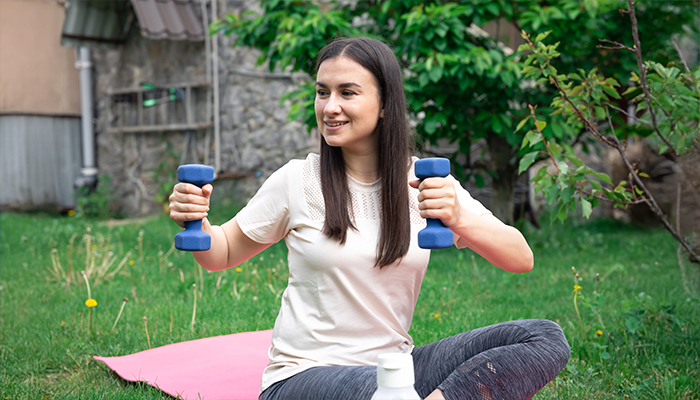
But do you need to go all in from day one? Not at all. Even moderate exercise for a longer life counts. A study published in JAMA Internal Medicine found that individuals who exercised just 15 minutes per day had a 14% lower risk of death compared to those who were inactive. The message is simple: something is always better than nothing.
The debate of cardio vs strength for longevity often misses the mark; it’s not about choosing one over the other, but about combining both.
Cardio exercises like walking, jogging, swimming, and cycling improve heart and lung health. These are especially effective for improving stamina, managing weight, and reducing the risk of heart disease.
On the other hand, strength or resistance training increases muscle mass, improves bone density, and enhances metabolic rate. A Harvard University study found that people who performed strength training at least twice a week had a 46% lower risk of all-cause mortality than those who didn’t.
To get the best of both worlds, aim for a combination of cardio and strength training every week. This balanced approach enhances fitness and lifespan, improves mental health, and supports functional mobility as you age.
Wondering what counts as the best workouts for longevity? Here are a few you can safely incorporate into your routine:
All these contribute to better health outcomes, improved energy, and a longer, more active life.
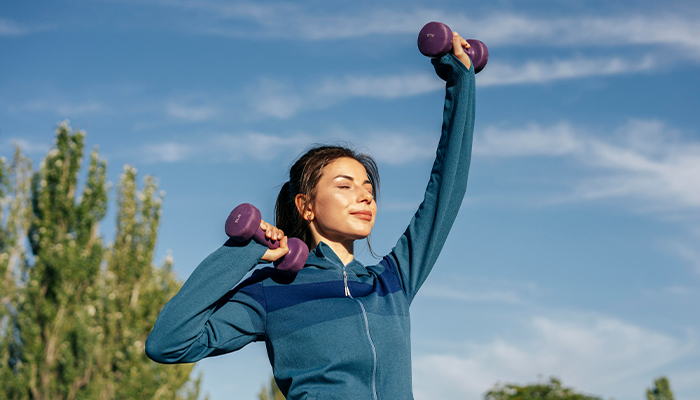
Committing to daily physical activity brings about noticeable improvements beyond disease prevention. Let’s look at some lesser-known but critical health benefits of daily exercise:
These improvements cumulatively enhance quality of life and reduce hospital visits, contributing to exercise and longevity.
Similarly, a Harvard Health study analysing over 100,000 participants revealed that 30 minutes of walking daily could extend life expectancy by three to seven years.
These findings reinforce the idea that regular, moderate activity, not extreme workouts, is the key to long-term health.
Despite the overwhelming benefits, many people still find it difficult to commit to regular exercise. Common barriers include:
However, you don’t need a gym membership to stay active. Walking meetings, home workouts, desk stretches, or even gardening can help you meet your daily goals. The real win lies in making movement a lifestyle.

If you’re wondering how to work out with a busy schedule, here are some sustainable tips:
Making these changes gradually will help you build consistency and long-term commitment.
The science is strong, and the message is simple: Exercise is one of the most powerful tools we have to reduce the risk of early death. Whether you’re walking, swimming, lifting weights, or doing yoga, consistent movement adds years to your life, and life to your years.
By understanding how exercise and longevity go hand-in-hand, you can take actionable steps today for a healthier tomorrow. Start where you are, use what you have, and move your body daily, because when it comes to your health, every step counts.