Loading...
loading...

Yes, you can. Light to moderate exercise is safe and often helps reduce cramps, fatigue, and bloating.
You can, but choose gentle workouts like walking or yoga. Rest if your cramps are too severe.
Yes. Yoga is one of the best exercises during menstruation. Avoid intense inversions.
Gentle yoga, hip-opening stretches, walking, and deep breathing offer quick relief from cramps.

Periods often bring discomfort, mood swings, and low energy, making workouts feel like the last thing on your mind. Yet many women wonder whether period exercise is safe or helpful. Concerns like can we do exercise in periods, should I work out on the first day of my period, and can we do yoga during periods are common. The good news is that you can exercise during periods, and in many cases, it can make you feel better—both physically and mentally.
Before diving deep into types of workouts, benefits, and when to rest, let’s look at the key points you should remember.
Your menstrual cycle influences hormones like oestrogen and progesterone. These hormones affect energy levels, mood, and even exercise performance. During your period, these hormones drop sharply, which can make you feel less energetic. But this same drop also increases pain tolerance for many women.
This means that although fatigue may rise, your body is still capable of safe physical activity. In fact, engaging in exercise during periods helps manage discomfort and promotes a sense of well-being.
A study published in the Journal of Clinical and Diagnostic Research found that women who engaged in low-intensity workouts during their periods experienced reduced cramps and improved mood. Another study from The Journal of Pain Research reported that regular physical activity lowered the intensity of menstrual pain over time.
These findings highlight why period exercise isn’t just safe—it can be beneficial.
Yes, absolutely. Most women can do exercises during their periods without any risk. Your uterus is a muscle, and movement helps increase blood flow, which reduces stiffness and cramping.
The key is to focus on comfort. You don’t need to push through a high-intensity routine. Instead, choose a workout that feels manageable based on your symptoms that day.
If you’re still unsure and ask yourself, Can we do exercise during periods, the short answer is: yes, just adjust the intensity.
The days of thinking you must rest throughout your period are long gone. Today, experts encourage gentle movement for several reasons.
Exercise releases endorphins, which act as natural painkillers. These happy hormones help reduce cramps, lessen mood swings, and improve overall comfort. For many women, simple workouts work better than medication.
Movement helps regulate digestive function and reduces the heaviness that many women feel. Even a 20-minute walk improves circulation and decreases bloating.
Fluctuating hormones can trigger irritability and emotional discomfort. Exercise boosts serotonin, helping stabilise mood and promote calmness.
Although you may feel tired, exercise gives your body a natural energy lift. Light workouts can reduce fatigue by increasing oxygen flow and improving blood circulation.
Regular exercise supports hormonal balance and can prevent severe cramping over time. Studies link consistent physical activity with fewer PMS symptoms.
The first day is often the most uncomfortable, with cramps, heavy flow, and low energy. But you can still work out on the first day if you feel okay.
Choose light activities such as:
It's completely fine to rest if your cramps are severe. Listening to your body is more important than sticking to a routine on day one.

Now that you know you can work out during menstruation, let’s look at the best period exercise options. These routines are safe, gentle, and effective for managing discomfort.
Walking is one of the easiest and most effective workouts during periods. It improves mood, increases blood flow, and eases cramps. Even a 15-minute walk after meals helps reduce bloating.
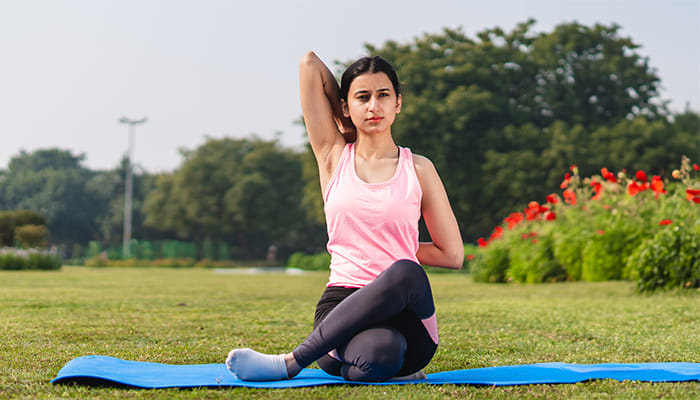
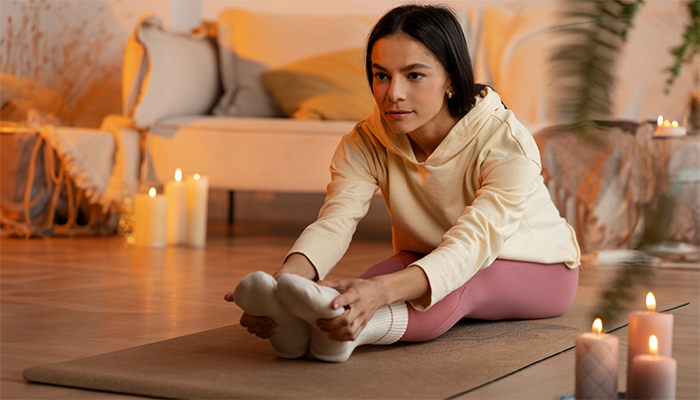
Many women ask if we can do yoga during their periods. Yes, you can. Yoga reduces stress, relaxes the muscles, and supports smooth blood flow.
Some helpful yoga poses include:
Avoid intense inversions such as headstands or handstands, as they may cause discomfort.
Yoga is also considered a useful exercise to get periods for women dealing with delayed cycles due to stress.
Low-impact cardio like cycling, slow jogging, or elliptical training helps reduce heaviness. Keep the intensity low. Your goal is movement, not performance.
Pilates improves posture, relieves tension in the lower abdomen, and strengthens core muscles. Choose routines with controlled breathing and gentle stretching.
If you enjoy weight training, you don't need to skip it. Just reduce the weights and reps. Focus on slow and steady movements instead of pushing for personal bests.
Strength training supports long-term hormonal balance and reduces PMS symptoms.
Deep breathing calms the nervous system and supports pain relief. Try diaphragmatic breathing or guided relaxation for 5-10 minutes.
Cramps occur when the uterus contracts. Gentle movement helps relax the muscles and increases blood flow, reducing pain.
The best exercise for period cramps includes:
These movements provide immediate relief by easing tightness.
Here’s a simple routine you can try during your menstrual days.
Improves spinal flexibility and relieves lower back stiffness.
Relaxes the abdomen and reduces cramping.
Stretches the hamstrings and relaxes the pelvic area.
Eases pressure in the lower abdomen.
Calms the mind and reduces pain sensitivity.
Completes the routine by improving blood flow.
While most exercises are safe, avoid movements that strain your body unnecessarily.
Your comfort should guide your choices.
Yes, exercise helps maintain hormonal balance, reduces stress, and promotes a healthy menstrual cycle. Many women with irregular periods see improvements after adding moderate workouts to their routine.
Some yoga poses and light cardio are considered helpful exercises to get periods, especially when stress is a contributing factor.
However, over-exercising can do the opposite and delay your cycle, so aim for balance.
Pairing your workouts with a few lifestyle habits can make your period more comfortable.
Drink plenty of water to reduce bloating and fatigue.
Wear breathable and flexible activewear to avoid discomfort.
Focus on foods rich in iron, magnesium, and vitamin B6.
Use heat before or after workouts to relax muscles.
Knowing how your body behaves each month helps you plan your routine better.
Although period exercise is generally safe, avoid workouts if you experience:
In such cases, rest or consult a doctor.
Exercising during your period is not only safe but often beneficial. From easing cramps to improving mood and reducing fatigue, movement plays a strong role in making your menstrual days easier. As long as you listen to your body and choose exercises that feel comfortable, you can continue your fitness routine without worry.
Whether you're wondering we can do exercise during periods, can we do exercise in periods, or should I work out on the first day of my period, the answer remains the same—yes, you can. Keep your routine light, stay hydrated, rest when needed, and embrace movement as a natural part of your cycle.