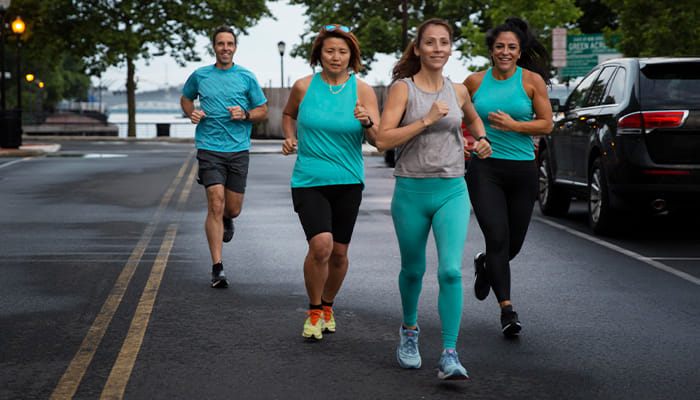
Ever noticed how birds take flight without being taught and fish glide through water without effort? It's in their nature. Just like them, humans have a natural instinct too, we run. Whether for survival, sport, or sanity, running is deeply rooted in our biology. Long before treadmills and trainers existed, early humans relied on running to hunt, explore, and thrive.
In today’s world of screens and sitting, we often forget this innate ability. But when you lace up your shoes and hit the road or trail, you're not just exercising, you’re tapping into something ancient and powerful. Let's explore why running is natural and how it benefits your body, mind, and soul.
- Running is hardwired into human biology and evolution.
- It offers numerous physical and mental health benefits.
- Regular running enhances endurance, clarity, and overall wellness.
- It’s a free and accessible way to improve fitness for all ages.
- Running connects us to our natural movement patterns.
Running didn’t begin as a form of fitness; it began as a survival skill. According to the endurance running hypothesis, humans evolved the ability to run long distances around two million years ago to hunt prey using persistence hunting, chasing animals until they overheated and collapsed from exhaustion.
Research from Harvard University anthropologist Daniel Lieberman explains that traits like long legs, large gluteal muscles, and spring-like tendons allowed early humans to cover vast distances efficiently. We weren’t the fastest, but we had stamina. Unlike predators that rely on short bursts of speed, humans were built for endurance. Running was in our blood, literally and metaphorically.
Unlike many mammals, humans have a unique physiology that supports running. Our upright posture helps regulate body heat. We sweat to cool down, a mechanism most animals lack. Our Achilles tendons store and release energy, and our arched feet act as natural shock absorbers.
Running and human biology are deeply linked. Studies show that even our brain function improves with running, indicating it may have played a role in cognitive evolution too. A 2012 study published in The Journal of Experimental Biology revealed that running increases levels of brain-derived neurotrophic factor (BDNF), a protein essential for brain health.
So, when we talk about natural movement exercises, running tops the list. It’s not just something we can do, it’s something we’re meant to do.

There’s no denying the physical perks of running. Improved cardiovascular health, better lung capacity, and stronger bones are just the start. But the benefits of running go far beyond what we see in the mirror.
Ever heard of a “runner’s high”? That euphoric feeling is thanks to the release of endorphins. But the mental benefits of running go deeper.
Whether you're tackling anxiety, burnout, or creative blocks, running can offer a clear path, both literally and mentally.

One of the best parts about running is its simplicity. No equipment, no memberships, no fancy gear. Just you and the open road. It's among the most natural movement exercises you can do.
While trends in fitness come and go, HIIT, Pilates, CrossFit, and running remain timeless. It mirrors our primal instincts and offers freedom unmatched by most workouts. When you run, your body moves the way it was designed to. It’s a reset, a return to your roots.
For beginners, this natural simplicity can be encouraging. And with the right guidance, anyone can embrace it.
Taking your first step into running can feel overwhelming. But like any journey, it starts with a single step.
Here’s how to begin:
- Start Slow: Begin with walk-jog intervals. For example, 1 minute of jogging followed by 2 minutes walking, repeated for 20–30 minutes.
- Focus on Form: Keep your back straight, shoulders relaxed, and land softly on your mid-foot.
- Choose the Right Shoes: Invest in running shoes that suit your gait and terrain.
- Stay Consistent: It’s better to run short distances regularly than long distances sporadically.
For anyone wondering how to build a habit, creating a daily running motivation ritual can help, be it a playlist, a podcast, or simply watching the sunrise.
Endurance isn’t built overnight. It’s earned through consistency, patience, and persistence. Running for endurance improves cardiovascular efficiency, mental toughness, and muscular stamina.
To gradually increase endurance:
- Follow the 10% rule: Never increase your weekly mileage by more than 10%.
- Include long, slow runs once a week to build base stamina.
- Add intervals and tempo runs for cardiovascular adaptation.
Remember, it’s not just about running farther, it’s about running smarter. Let your breath be your guide. If you can hold a conversation, you’re at the right pace.
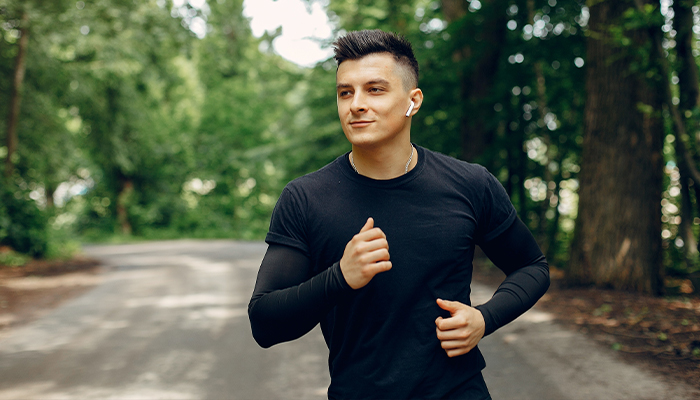
There’s something therapeutic about running. The rhythmic pounding of your feet, the fresh air, the space to think. It’s moving meditation. For many, running is the cheapest therapy around.
A study published in Frontiers in Psychology found that even short bursts of running improve emotional regulation and reduce symptoms of depression. Whether it’s problem-solving, creative thinking, or emotional processing, running clears mental fog like few things can.
No wonder writers, entrepreneurs, and artists often rely on it to spark inspiration.
From ancient messengers to Olympic sprinters, the history of human running is rich and varied. The first organised marathon was in 1896, inspired by the legendary run of Pheidippides from Marathon to Athens. But our real legacy began much earlier.
Indigenous tribes across the globe, from the Tarahumara runners in Mexico to the San bushmen in Africa, used running as a way of life. It wasn’t sport, it was survival, spirituality, and community. These roots remind us that running is more than just a hobby. It’s a celebration of human potential.

When done regularly and mindfully, running touches every aspect of life. It:
- Increases energy levels.
- Boosts immunity.
- Enhances digestion.
- Improves posture and balance.
- Elevates mood.
In a time when lifestyle diseases are on the rise, running offers a free, natural remedy. It's preventive healthcare in motion.
Birds fly. Fish swim. And humans run. It’s not a trend or a challenge, it’s in our DNA. Running reconnects us with our past, strengthens our present, and prepares us for the future. Whether you’re chasing fitness goals, peace of mind, or simply the horizon, remember: you were born to run.
So the next time you doubt your ability, just look around. Every step you take is proof that you’re doing exactly what you were made for.