For the first time, India will have a unified framework to tackle obesity. One that accounts for Indian bodies, Indian diets, and Indian lifestyles with the ICMR National Obesity Guidelines. People with a BMI of ≥ 25 kg/m² are considered to be obese. Moreover, those with a BMI of 23–24.9 kg/m² are categorized as overweight. Keep reading for a full disclosure on key metrics and research about these upcoming guidelines in 2026.
India is working on its first National Obesity Guidelines in 2026. This registers as a landmark public health move as it addresses weight management specific to Indian DNA and lifestyle. This is India's first step towards creating a unified framework for diagnosing, preventing, and managing obesity across the country. The initiative is being led by the Indian Council of Medical Research (ICMR) in collaboration with the Ministry of Health and Family Welfare. Obesity increasingly emerges as a serious public health challenge affecting Indians of all age groups. These upcoming ICMR obesity guidelines aim to provide doctors, public health programs, and policymakers with a clear framework. These are science-backed recommendations on screening, treatment, and obesity prevention strategies tailored specifically for the Indian population.
Wondering why we need ICMR obesity guidelines when WHO exists?
Well, A middle-aged Indian man would not have oatmeal for breakfast. Simply because of different culture and acquired taste. Instead, a jawar and wheat roti with a nutritious sabzi might make his belly rumble. These guidelines recommend a diet aligned with Indian eating patterns rather than Western diet trends. There are many more recommendations based on the Indian lifestyle. Even the BMI scale is different. Keep reading the blog to know all about the new National Obesity Guidelines of India. This is going to change everything you thought you knew about weight management.
What Triggered the Need for Obesity Guidelines
India witnessed the rise of a new way to look at health on the 79th Independence Day. The push for national obesity guidelines gained momentum after Prime Minister Narendra Modi ji’s Independence Day speech. It started somewhat of a snowball effect. He called obesity a major challenge for the nation while standing at the Red Fort. The prime minister gave a simple suggestion to every Indian household: “Reduce cooking oil use by 10%.”
It was a small change, but it carried a big message. The statement brought national attention to the issue. Soon after, work began on creating India’s first national obesity guidelines. Switching and reducing your cooking oil is one step towards a healthier nation. But we needed a standardized framework. The ICMR guidelines are designed not simply to replicate global recommendations but to reflect:
Afterall, the goal is to create practical guidelines that work for Indian households, healthcare systems, and public health programs.
India and The Obesity Scare 2035
The data shows why this step is necessary. Recent health surveys reveal that nearly one in four Indian adults is already overweight or obese.
- 6.4% of women and 4% of men are classified as obese
- 23% of women aged 15–49 are overweight or obese
- 22% of men fall into the same category
But the most worrying trend is among children.
India already has 33 million children living with overweight or obesity. That’s about 9% of all children under 20. The rise has been rapid. Childhood obesity has grown 244% in the last three decades. And the future looks even more concerning. By 2035, experts estimate that 83 million Indian children could be living with obesity.
What Are the ICMR National Obesity Guidelines?
The national obesity guidelines represent India's first government-endorsed clinical and public health framework. This framework is supposed to show how healthcare providers, institutions, and health systems should screen, diagnose, prevent, and treat obesity. You might be thinking, what is the need for these guidelines when WHO exists? Until now, Indian practitioners have largely relied on World Health Organisation (WHO) criteria or specialist society documents. This has resulted in inconsistent approaches across the country.
National Obesity Guidelines are a comprehensive framework developed by the Indian Council of Medical Research (ICMR). Creating this framework required extensive input from endocrinologists, nutritionists, bariatric surgeons, diabetologists, and public health experts across India. So the ICMR collaborated with the Ministry of Health and Family Welfare to make it happen.
The Alarming Statistics
India's obesity crisis has reached unprecedented levels, with data revealing the magnitude of the challenge:
- Adults: The National Family Health Survey (NFHS-5, 2019-21) shows that 24% of women and 23% of men aged 15-49 are overweight or obese, with 6.4% of women and 4% of men classified as obese.
- Children: As of 2020, approximately 33 million Indian children are living with overweight or obesity, representing a 9% prevalence rate among children below 20 years.
- Projected Growth: Childhood obesity in India has surged by 244% over the last 30 years and is projected to increase by 121% in the next three decades.
How the Guidelines Are Being Developed
India is developing the National Obesity Guidelines through a structured process. It is a multi-level process designed to ensure that the final recommendations are evidence-based, practical, and relevant for healthcare professionals across the country. The process is organized into three main groups that work together to guide the development of the guidelines.
The Scoping Panel Groundwork
The first stage is led by a scoping panel headed by Dr. Rajiv Bahl, Secretary of the Department of Health Research at the Indian Council of Medical Research (ICMR). This panel is responsible for defining the overall scope of the guidelines. Its work includes identifying key health priorities, determining which clinical questions should be addressed, and setting the framework for how the guidelines will be developed. Only after completing this groundwork early does the panel ensure that the guideline development process remains focused and aligned with national health priorities.
The Steering Committee
Oversight of the entire process is handled by a steering committee chaired by Dr. Rajiv Bahl. Moreover, Dr. Sunita Sharma from the Directorate General of Health Services (DGHS) serves as co-chair. The committee held its first formal meeting in November 2025 and is responsible for supervising the overall direction of the project, maintaining scientific quality, and ensuring the recommendations remain aligned with national healthcare policies.
50-Member Expert Panel
The detailed work of developing the clinical recommendations is being carried out by a 50-member expert panel. This panel includes specialists from several fields, including the following:
- bariatric surgery
- endocrinology
- clinical medicine
- nutrition science
- public health
Their role is to review existing research, clinical data, and real-world medical experience in order to create clear treatment protocols and evidence-based recommendations.
Timeline for Completion
Developing clinically accurate and adaptable National Obesity Guidelines is a complex process. It typically takes 18 to 24 months, according to global standards used by organisations such as the World Health Organization. The goal is to have the first set of guidelines ready by mid-2026. Additional updates and revisions may follow as new research becomes available. It could be brought into effect anytime now.
What Will the National Obesity Guidelines in India Cover
India is preparing its first comprehensive national obesity management. aimed at improving early detection, prevention, and treatment of obesity. While the final recommendations are still being drafted, discussions with medical experts and early updates suggest the guidelines will focus on several key areas.
New BMI Cut-offs for Indians
One of the biggest changes will be lower BMI cut-offs for the Indian population. Research shows that Indians develop metabolic conditions such as diabetes and heart disease at lower BMI levels compared with Western populations. Check your BMI with accurate tools by FITPASS for your wellness goals.
Here is the expected BMI classification:
|
Category
|
BMI Range
|
|
Normal
|
18.5 – 22.9
|
|
Overweight
|
23 – 27.4
|
|
Obese
|
27.5 and above
|
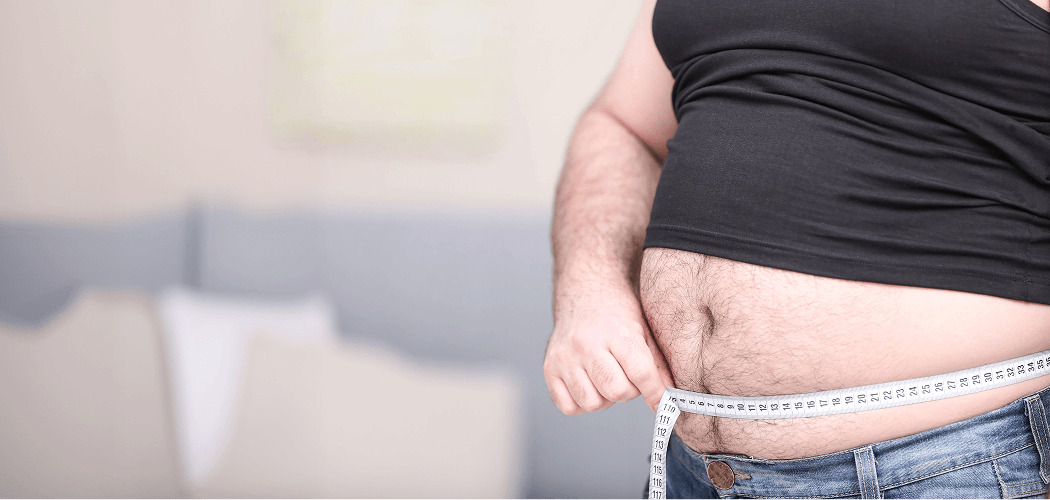
Doctors will also place greater importance on waist circumference and abdominal fat as indicators of metabolic risk. High-risk waist size may include the following.
|
High-Risk Weight Size for Genders
|
Waistline in cm
|
|
Men
|
90 cm
|
|
Women
|
80 cm
|
Obesity Screening in Government Health Programs
The National Obesity Guidelines are expected to introduce routine obesity screening across public health programmes. This may include screening through:
- Ayushman Bharat Health and Wellness Centres
- School health programmes
- Antenatal care visits
- Community health camps
Simple measurements such as BMI, waist circumference, and lifestyle assessment will help detect obesity risks earlier.
Regulation of Weight Loss Drugs
With the rising popularity of medications such as semaglutide and tirzepatide, the guidelines are expected to define stricter prescribing rules. Weight-loss injections may be recommended only for:
- BMI ≥ 27.5 with conditions such as diabetes or hypertension
- BMI ≥ 30 without other conditions
Treatment will likely require supervision by trained physicians or endocrinologists to ensure safe use.
Preventive Focus on Childhood Obesity
The new National Obesity Guidelines are also expected to include a strong focus on childhood and adolescent obesity. Early intervention can significantly reduce long-term health complications. Possible measures include the below-mentioned.
- healthier school canteen policies
- promoting daily physical activity
- early screening for weight-related risks
Indian Diet Recommendations
Another important feature will be practical diet advice tailored to Indian eating habits. These recommendations will align with the National Institute of Nutrition dietary guidelines, which encourage whole foods and limit ultra-processed products. Instead of imported diet trends, the focus will be on traditional foods such as:
- dals and legumes
- millets and whole grains
- seasonal vegetables
- controlled portion sizes
Step-by-Step Obesity Treatment Approach
The National Obesity Guidelines are expected to outline a structured obesity treatment plan.
Treatment may follow a stepwise approach:
- Lifestyle changes (diet, physical activity, behaviour counselling)
- Medications such as GLP-1 drugs when required
- Bariatric surgery for severe obesity cases
This approach helps ensure that preventive treatment begins with lifestyle changes before moving to more intensive medical interventions.
What Makes These Guidelines Uniquely Indian
The upcoming obesity guidelines are designed specifically for the Indian population. Instead of simply adopting international recommendations, the framework is expected to reflect Indian lifestyles, dietary habits, and health risks. Several features are likely to make these guidelines particularly relevant to India. Key features expected in the National Obesity Guidelines are as follows. These elements aim to create guidelines that are scientifically grounded yet practical for Indian healthcare systems and households.
- Life-stage specific recommendations
The body of a middle-aged Indian man is obviously not similar to an adolescent. The ICMR guidelines are separate for children, adolescents, adults, pregnant or postpartum women, and seniors. With this, it recognises that obesity risk and treatment needs vary at different stages of life.
- India-specific BMI cut-offs
As per these new ICMR guidelines, overweight may begin at a BMI of 23, instead of the global standard of 25. And obesity may be classified at a BMI of 27.5 instead of 30. What was the need for these lower thresholds? Well, they help detect metabolic risks earlier in the Indian population. It is also a good as a preventive healthcare measure for increasing lifestyle diseases in India such as obesity, diabeties and cardiovascular diseases.
- Greater focus on abdominal fat
Most of the obesity cases in India start with abdominal obesity. Doctors may measure waist circumference and waist-to-height ratio in addition to BMI. This is important, as abdominal fat is strongly linked to diabetes and heart disease among Indians.
- Practical dietary guidance for Indian households
The ICMR obesity guidelines lay a lot of emphasis on traditional foods such as dals, millets, vegetables, and balanced portion sizes. The regional grains and millets in India are known to keep the blood sugar levels stable. For instance, jawar, barnyard, and pearl millets keep you full, and they are packed with fibers. A middle-aged Indian man would not have oatmeal for breakfast. Instead, a jawar and wheat roti with sabzi might make his belly rumble. The National Obesity Guidelines recommend a diet aligned with Indian eating patterns rather than Western diet trends.
- Integration of lifestyle and cultural practices
Structured yoga and physical activity programs for weight management are incorporated in the guidelines. Besides this, lifestyle counseling focused on sustainable habits is also integrated.
- Clear treatment pathways
A proper framework for addressing obesity in India starts with diet and lifestyle changes best fit for Indians. The ICMR guidelines make it easy. Medical treatments such as weight-loss medications or bariatric surgery are recommended when necessary and under medical supervision.
Changes National Obesity Guidelines Bring Forth
Once implemented, the national obesity guidelines could influence how obesity is detected, treated, and managed across India’s healthcare system.
Sectors
|
Changes Post the ICMR Guidelines
|
|
Healthcare Providers
|
Doctors and healthcare workers will have clearer and more consistent guidance for diagnosing and managing obesity. Key changes that can come with these National Obesity Guidelines include:
- Standardised diagnostic criteria and screening protocols
- Clear treatment pathways, starting with lifestyle changes and progressing to medication or bariatric surgery when needed
- Evidence-based recommendations for different age groups and risk categories
- Greater integration of lifestyle counselling, diet guidance, and physical activity programs
|
|
Patients
|
For individuals seeking treatment, the National Obesity Guidelines may lead to more consistent care across hospitals and clinics. Patients can expect:
- Earlier screening for obesity and related health risks
- Routine waist circumference measurement along with BMI
- More practical advice on diet, exercise, and lifestyle changes
- Clear guidance on when medical treatments or surgery may be required
|
|
Public Health Programs
|
The National Obesity Guidelines may help strengthen India’s strategy to address obesity as a growing public health concern. Possible changes include:
- Better integration of obesity care into existing national health programs
- Stronger focus on prevention through community awareness and school programs
- Improved data collection and monitoring of obesity trends
- Training programs to help healthcare workers deliver consistent advice across the country
|
The Road Ahead
India's first national obesity guidelines represent a watershed moment in the country's approach to one of its most serious health challenges. For years, obesity has been growing quietly in India. These guidelines aim to change that. By creating clear standards for prevention, diagnosis, and treatment, India can move toward a more coordinated approach to tackling obesity. But policies alone are not enough.
At FITPASS, we believe real change will also depend on everyday choices you make. Families choosing healthier meals. Communities encouraging levels of physical activity and workouts. And healthcare systems supporting people who need help. The journey toward a healthier India will depend on all of us.
The National Obesity Guidelines will act as a framework to empower healthcare providers, inform public health policy, and ultimately improve the health and economic well-being of millions of Indians. The multi-panel development process ensures that the guidelines will be scientifically rigorous, clinically practical, and aligned with India's existing health infrastructure and cultural context. With a target release of mid-2026 for at least the first set of recommendations, India is positioning itself as a leader in addressing obesity in diverse, developing nations.