Loading...
loading...




Vitamin C helps your skin's collagen generation to give you firmer look, It make your full skin and smooth out scarcely discernible differences and wrinkles. The cell reinforcement properties of Vitamin C help battle free radicals and harm brought about by UV radiation. The outcome is against maturing activity for more youthful looking skin!
Vitamin C tend to boost energy, so it's better to take them in the morning in comparison to night otherwise it can lead to restlessness and insomnia. They will give you the best result on an empty stomach, but it's better to take them with some food if you have a sensitive tummy.
Can vitamin C boost you with energy?
Consuming too much of Vitamin C may affect your digestive system. Digestive distress is the most common side effects from vitamin C.
Fatigue, Red Gums, Easy Bruising and Bleeding, Joint Pain and Rough, bumpy skin are the quick symptoms of vitamin C even weight gain is also a scary symptom of vitamin C. But these symptoms are usually resolved once vitamin C levels are restored.
It is always recommend that it’s better to take vitamin C from fresh fruits and vegetables rather than taking supplements or capsules.
Citrus fruits, strawberries, bell peppers, kiwi, tomatoes, broccoli, cabbage, and papaya are some of the best vitamin C foods.
Yes, Vitamin C helps brighten your skin, reduces pigmentation, boosts collagen, and supports anti-ageing.
You can take it during the day with meals. This helps prevent digestive discomfort and improves absorption.
Vitamin C does not completely prevent colds, but it can reduce the severity and length of symptoms by supporting immunity.

Vitamin C is one of the most important nutrients your body needs every day. It helps strengthen immunity, supports skin health, improves iron absorption, boosts energy levels, and protects your body from free radicals. Because your body cannot store or produce vitamin C, you must get it through foods or supplements. Understanding vitamin C benefits, the best vitamin C foods, common vitamin C side effects, and the right vitamin C dosage helps you make better choices for your health.
Before we explore these details, it’s important to know that vitamin C nutrition goes far beyond preventing colds. It plays a major role in skin glow, heart health, wound healing, and even mood regulation. So, whether you are learning about vitamin C for skin, vitamin C for immunity, or vitamin C dosage, this guide will give you everything you need.

Vitamin C, also known as ascorbic acid, is a water-soluble vitamin found in many fruits and vegetables. It acts as a powerful antioxidant and supports various functions in the body. One study published in the Nutrients Journal found that regular vitamin C intake significantly supports immune defence and reduces oxidative stress in adults. Researchers also found that vitamin C supports collagen production, which helps maintain youthful and firm skin.
This nutrient also enhances iron absorption, making it especially useful for those who face low haemoglobin levels. Vitamin C for energy is another benefit people often notice because healthy cells work more efficiently when oxidative stress is low.
As you move into the next section on food sources, you’ll see how easy it is to add more vitamin C-rich fruits and vegetables to your daily diet.

The best way to get adequate vitamin C nutrition is through a wholesome diet. Fresh fruits and vegetables not only give you vitamin C but also other nutrients that support overall wellness.
Citrus fruits like oranges, lemons, limes, and sweet limes are loaded with Vitamin C. They are refreshing, easy to consume, and widely available across India. These fruits are naturally linked with immunity and cold relief, making them a preferred choice during seasonal changes.
Red and yellow bell peppers are among the highest vitamin C sources. They contain more Vitamin C than oranges. Adding them to salads, stir-fries, or wraps is an excellent way to boost daily Vitamin C intake.
Kiwi contains more Vitamin C than most citrus fruits. It also gives you fibre and antioxidants, which support digestion and heart health.
Strawberries' vitamin C levels are impressive. Just one handful gives you a good percentage of your daily requirement. They are great for smoothies, desserts, or snacking.
Broccoli's vitamin C levels make it one of the best vegetables for immunity and detox. It also supports blood sugar control, making it helpful for diabetes-friendly diets.
Papaya vitamin C content is strong, and it also contains digestive enzymes. It helps with immunity, skin glow, and digestion.
Fresh tomatoes and tomato juice provide Vitamin C along with lycopene, a powerful antioxidant for heart health.
Brussels sprouts vitamin C and cooked cabbage contain vitamin C levels are quite which support bone health, digestion, and immunity.
Including a variety of these foods ensures you get balanced vitamin C nutrition daily, without depending too much on supplements.
Vitamin C plays a key role in many body processes. Let’s explore the major vitamin C benefits you should know.
Vitamin C supports your immune cells and helps your body fight infections. It strengthens your defence system and reduces the duration of common cold symptoms. This is why many people turn to vitamin C for a cold during seasonal changes.
It also protects your immune cells from free radical damage and helps your body recover faster from illnesses.
Vitamin C is one of the most recommended nutrients for skin health. It boosts collagen production, which keeps your skin firm, smooth, and youthful. This is why dermatologists often suggest vitamin C for skin, vitamin C for skin glow, and vitamin C for wrinkles.
It also helps reduce sun damage and supports vitamin C for UV protection when used along with sunscreen. Since Vitamin C neutralises free radicals, it slows down the signs of ageing and promotes even skin tone.
Your body needs Vitamin C to produce collagen, which acts as a building block for skin and tissues. This makes Vitamin C essential for wound healing. Doctors often recommend increasing Vitamin C intake after injury or surgery for faster recovery.
Vitamin C supports heart health in many ways. It improves blood vessel function, reduces inflammation, and supports healthy cholesterol levels. It also helps improve blood circulation, which lowers strain on the heart.
Studies show that diets rich in Vitamin C reduce the risk of heart disease, making it important for managing heart health, stroke prevention, and overall cardiovascular wellness.
Vitamin C may help reduce oxidative stress in people with diabetes. It also supports better blood circulation, which is often a concern for diabetic patients. Foods like tomatoes, broccoli, and strawberries help maintain balanced sugar levels.
Vitamin C helps lower cortisol levels, which supports stress management. It also helps the body absorb iron better, improving haemoglobin and boosting energy levels. This can be useful for people who often feel fatigued.
Many individuals also report improved alertness and focus, especially when Vitamin C intake comes from natural sources.
Vitamin C supports lung function and may help in managing respiratory concerns such as asthma and tuberculosis. While it is not a cure, Vitamin C helps reduce inflammation and supports overall lung health.
Foods like bell peppers, broccoli, kiwi, and citrus fruits can be especially beneficial.

Your daily Vitamin C requirement depends on factors such as age, activity level, and lifestyle. In general:
If your body doesn’t get enough Vitamin C, you may notice the following signs:
Severe deficiency can lead to scurvy, but this is extremely rare nowadays.
Vitamin C deficiency treatment usually involves increasing Vitamin C-rich foods rather than high-dose supplements.
It’s always better to get vitamin C from fruits vs supplements. Whole foods give you fibre, minerals, and antioxidants along with Vitamin C, which supports better absorption.
But excessive supplement intake may increase the risk of vitamin C overdose.

Vitamin C from food rarely causes harm. But too much supplement intake can lead to vitamin C side effects, such as:
These vitamin C digestive side effects happen when you cross the recommended dosage. Very high intake may increase kidney stone risk in sensitive individuals.
Always speak to a doctor before taking high-dose supplements.
I once tried increasing my Vitamin C intake during a stressful work phase. Instead of relying on supplements, I added simple foods like oranges, bell peppers, tomatoes, and kiwi to my daily meals. Within two weeks, my energy levels improved, my skin looked brighter, and I felt a noticeable boost in immunity. It felt like a small but meaningful change.
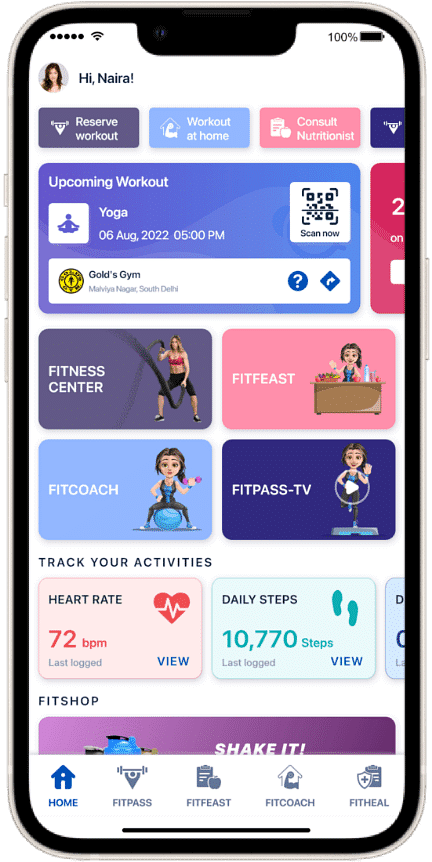
Many users who follow guided diet plans—like those offered through FITFEAST- share similar experiences. When you get the right mix of fruits and vegetables daily, your Vitamin C levels naturally improve without extra effort.
Vitamin C is a powerful nutrient that supports immunity, skin health, heart health, energy levels, and overall wellness. The best part is that you can get your daily needs easily from a balanced diet rich in fruits and vegetables. From citrus fruits and strawberries to bell peppers and broccoli, your meals can give you all the Vitamin C your body needs.
Supplements may help in certain cases, but natural food sources are always safer and more effective. At the same time, staying mindful of dosage and avoiding excess intake keeps you away from side effects.
If you want to understand how to include the right foods in your daily routine, personalised nutrition guidance, like the support provided through FITFEAST, can make the journey smoother.