Roughly 7 in 10 tested people have vitamin D deficiency or nutrient inadequacy in India as of 2026.
The hidden vitamin D deficiency quietly sabotages gains, recovery, and especially your daily energy from the inside out. Even if you are counting your macros the right way and crushing your daily workouts, check if you have vitamin D deficiency symptoms. Do you silently experience vitamin D deficiency symptoms like fatigue, low energy levels, muscle and hair loss?
Then this is going to be a helpful read for you.
The Sunshine Vitamin: Why Active Professionals Are Running on Empty

This blog shines light on the sunshine vitamin that your body may just be craving right now. Vitamin D is not just a standard vitamin. It acts as a secosteroid hormone that regulates over 1,000 human genes. Every single tissue and cell type in your body contains vitamin D receptors (VDRs).
Yet, close to 76% of urban adults suffer from clinical vitamin D deficiency.
A large-scale Metropolis Healthcare study of 22 lakh test results from 2019 to 2025 found 46.5% of tested Indians had vitamin D deficiency. In addition, another 26% had insufficient levels of the sunshine vitamin D.
Professionals Miss the Peak UVB Hours
Even if you eat clean, whole foods cover less than 10% of your daily biological requirement. Gen Z and millennial professionals spend upwards of 9 hours indoors. Sitting under fluorescent lights does not make it any better. Besides, home workouts and commute-free days keep you out of the sun during peak UVB hours (11:00 AM to 2:00 PM). Sunscreen blocks up to 98% of cutaneous vitamin D synthesis.
How the Body Synthesises Vitamin D
Your body synthesises vitamin D3 (cholecalciferol) when your skin absorbs UVB radiation. The liver converts it to 25-hydroxyvitamin D. And finally, the kidneys activate it into calcitriol. But here’s what happens when this sequence breaks down and you do not get enough good sunlight:
- athletic performance drops
- immune response weakens
- cellular repair stalls
The Direct Link Between Vitamin D and Physical Activity
Peak athletic performance demands more than motivation and macros. Vitamin D governs several biochemical pathways. These pathways directly determine your output during physical activity.
- Muscle Protein Synthesis and Fast-Twitch Fibres
Calcitriol binds directly to nuclear receptors in skeletal muscle tissue. This process activates the genetic transcription required for muscle protein synthesis and cell proliferation. Clinical studies show adequate vitamin D levels selectively increase the size and count of type II (fast-twitch) muscle fibres. These fibres generate explosive power for heavy lifts, sprint intervals, and high-intensity home sessions.
- ATP Production and Cellular Energy
Mitochondria generate adenosine triphosphate (ATP) to fuel every muscular contraction. Low vitamin D impairs oxidative phosphorylation within skeletal muscle mitochondria. This deficit triggers premature muscular fatigue, reduced training capacity, and extended recovery windows between sets.
- Calcium Homeostasis and Contraction Velocity
Muscles require rapid intracellular calcium release to contract and immediate re-uptake to relax. Vitamin D orchestrates this balance. A shortfall leads to chronic muscle stiffness, localised cramps, and reduced force output during resistance training.
- Immune Resilience and Injury Prevention
Intense training elevates systemic inflammation. Vitamin D inhibits the hyper-production of pro-inflammatory cytokines like TNF-alpha and IL-6. At the same time, it increases anti-inflammatory markers. Keeping your blood serum levels optimised cuts the risk of stress fractures and soft-tissue inflammation by up to 30%.
Beyond the Gym: Does Vitamin D Deficiency Cause Hair Loss?

Physical performance is only one piece of the puzzle. Many fitness enthusiasts and desk-bound workers notice diffuse hair thinning and ask: does vitamin D deficiency cause hair loss? The short answer is yes.
How adequate vitamin D supports hair growth:
- Adequate Vitamin D Levels
- Stimulates Keratinocytes
- Activates Wnt/β-catenin Pathway
- Maintains Anagen (Growth) Hair Phase
Keratinocytes are the primary cells in hair follicles. They rely heavily on vitamin D to maintain hair cycle progression. Research links low 25(OH)D levels directly to telogen effluvium (rapid shedding) and autoimmune conditions like alopecia areata.
When your body enters a state of chronic micronutrient deprivation, it diverts resources to essential survival organs like the heart and kidneys. Hair follicles are non-essential. When lacking adequate cellular activation, follicles slip prematurely from the active anagen (growth) phase into the telogen (resting/shedding) phase. Correcting the deficiency stimulates dormant follicles and restores normal follicle cycling.
Supplementation: Calcium and Vitamin D3 Tablets IP Uses
The "IP" designation stands for Indian Pharmacopoeia.
It guarantees the compound meets strict benchmarks for manufacturing, potency, and purity. Dietary intake and natural sun exposure fall short for professionals, as most of their day is spent indoors. Thus, clinical supplementation becomes necessary. Doctors frequently prescribe pharmaceutical preparations to correct severe drops. Understanding calcium and vitamin D3 tablet IP uses helps you optimise your intake and avoid counterproductive megadoses.
- Treatment of Bone Mineral Deficits: These tablets counter osteopenia, osteoporosis, and rickets by stimulating intestinal calcium absorption.
- Correction of Hypocalcaemia: They restore safe circulating blood calcium levels to sustain neuromuscular function.
- Support for Active Skeletal Remodelling: High-impact training creates microscopic bone stress. Calcium paired with D3 accelerates mineralisation, keeping bones resilient.
- Adjunct Support for Joint Health: They work alongside articular cartilage treatments to minimise localised joint wear in weightlifters and runners.
|
A supplementation rule for vitamin D deficiency
Always take calcium and vitamin D3 with a meal containing healthy fats (such as eggs or nuts) to ensure optimal bioavailability. Never self-prescribe excessive doses without recommendation of a medical professional. Excess calcium without balanced mineral intake can cause arterial calcification and renal stress.
|
What is a Preventive Health Checkup and Why Fitness Isn’t Enough?
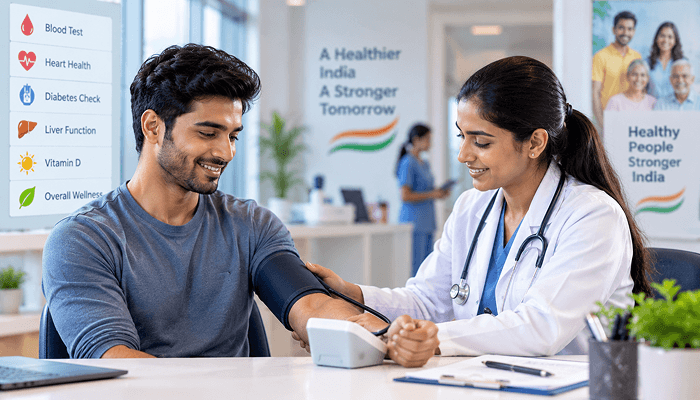
You can hold a sub-five-minute plank, run marathons, and look completely shredded while carrying severe biochemical deficits. You cannot feel your bone mineral density dropping. You cannot perceive early hormonal crashes or cellular inflammation until overt symptoms appear. This is where active professionals run into a blind spot.
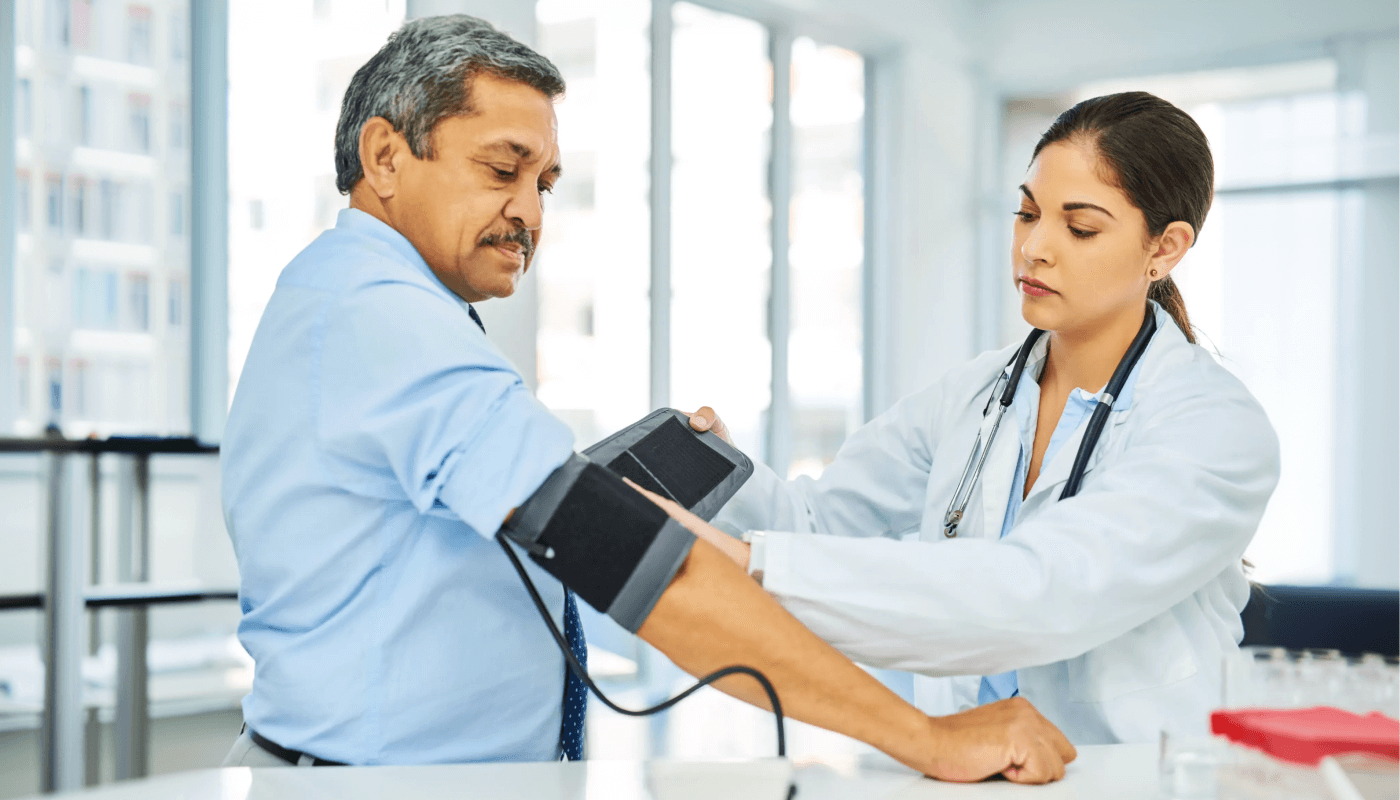
What is a preventive health checkup? It is a proactive, clinical assessment designed to establish your internal baseline, detect metabolic imbalances, and identify disease risk long before clinical symptoms present themselves.
|
Dimension
|
Reactive Care (Outdated)
|
Preventive Care (Modern)
|
|
Trigger detection
|
Waits for severe symptoms
|
Identifies silent triggers
|
|
Cost profile
|
Expensive medical treatment
|
Low-cost routine assessments
|
|
Impact on performance
|
Disrupts daily performance
|
Optimises training output
|
|
Recovery & feedback
|
Slow recovery timeline
|
Real-time biohacking data
|
Treating health as a purely visual or gym-based metric leaves your longevity to chance. Consistent health checks bridge the gap between aesthetic fitness and actual physiological health. When you book an annual health checkup, you get verified diagnostic data on your:
- Serum 25(OH)D and Vitamin B12 levels
- Complete Blood Count (CBC) and oxygen-carrying capacity
- Fasting blood glucose, HbA1c, and insulin sensitivity
- Lipid profiles, systemic cardiovascular markers, and more
Investing in a regular full-body checkup turns guesswork into clinical certainty. It reveals whether your fatigue stems from training volume, disrupted sleep cycles, or an underlying micronutrient deficiency.
Longevity and Active Lifestyle With FITHEAL
Modern fitness demands an integrated approach.
You cannot optimise external movement while ignoring your internal biochemistry.
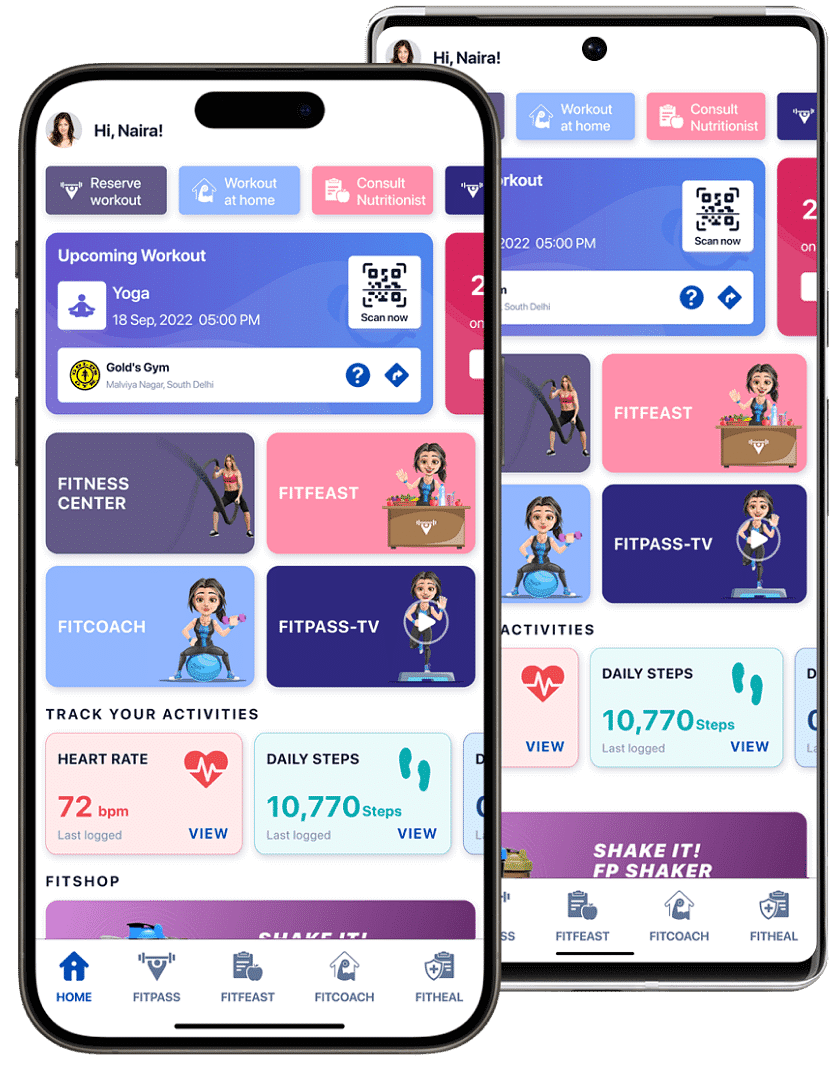
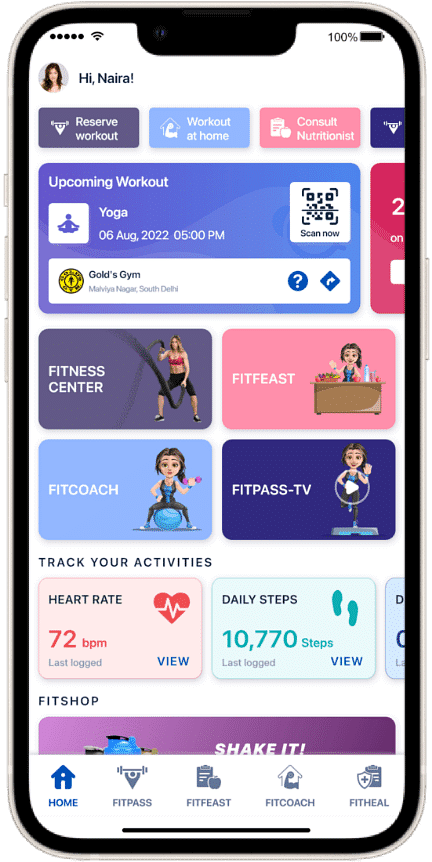
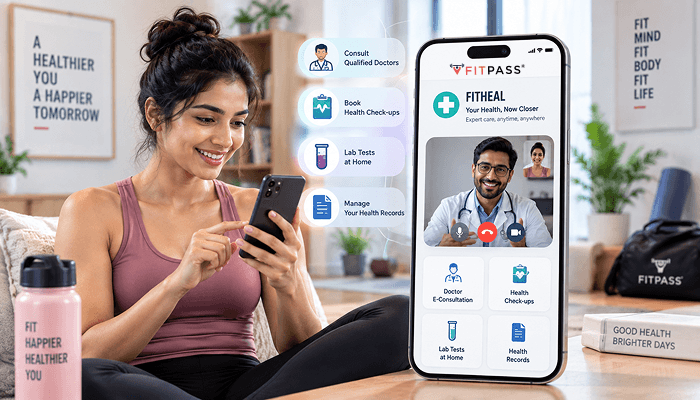
FITHEAL bridges this divide by delivering comprehensive preventive healthcare alongside your active lifestyle. The service is designed for office professionals and everyday athletes who practise precision nutrition. FITHEAL offers seamless annual health checks in a few taps via the FITPASS app. Folks often scramble for reactive medical care after injuries or burnout strike. FITHEAL helps you spot early warning signs of metabolic drift, micronutrient shortages, and organ stress.
- At-Home Diagnostic Screening: Skip hospital waiting rooms with hassle-free sample collection.
- Comprehensive Biomarker Panels: Track critical indicators, from vitamin D3 to systemic hormonal balances.
- Actionable Health Insights: Review data-backed reports that help to refine your workouts, nutrition, and supplementation.
|
Preventive Healthcare with FITPASS
Pairing consistent workouts with FITHEAL preventive screenings keeps your body performing at its peak all year round without fatigue and vitamin D deficiency symptoms.
- FITHEAL Diagnostics
- Early Detection of Deficiencies
- Targeted Recovery & Sustained Gains
Book your FITHEAL health check-up today via the FITPASS app.
|
Key Biomarkers for Active Adults
Anytime you take new supplements, it is important to test your levels.
Use these standard clinical ranges to see where your vitamin D, calcium, and iron status really stand.
|
Biomarker
|
Deficient
|
Sub-Optimal
|
Optimal Performance
|
|
25(OH)D Total
|
< 20 ng/mL
|
21–29 ng/mL
|
40–70 ng/mL
|
|
Serum Calcium
|
< 8.5 mg/dL
|
8.5–8.9 mg/dL
|
9.0–10.2 mg/dL
|
|
Ferritin (Iron)
|
< 30 ng/mL
|
30–49 ng/mL
|
50–150 ng/mL
|
FITHEAL: The At-Home Preventive Healthcare Solution
Reaching your highest potential requires matching your training efforts with precise, data-driven healthcare. Don’t let your vitamin D delulus turn into a real deficiency and organ health issues. FITHEAL is the best solulu to preventive healthcare. Ready to build a resilient, high-performing body for the long haul?
Take charge of your wellness today by pairing your active routine with a comprehensive FITHEAL health check-up.
Download the FITPASS app to book your FITHEAL health check-up today.