Dieting is a word that often brings mixed feelings. For some, it means weight loss success, while for others, it brings memories of hunger, frustration or confusion. So, the big question remains: is dieting good or bad for your health?
This blog will help you explore the dieting pros and cons, understand the effects of dieting on health, and guide you towards a balanced approach that focuses on wellness rather than just weight.
Dieting often means following a specific eating plan to lose weight. It usually involves cutting calories or avoiding certain foods. However, a healthy diet vs dieting can look very different.
A healthy diet is about eating a balanced mix of nutrients daily. Dieting, on the other hand, often involves strict rules that may not always be healthy or sustainable. Understanding this difference is the first step to knowing whether dieting is healthy or not.\
Let’s first look at the benefits of dieting when done the right way.
Many people turn to dieting to lose weight. A good weight loss diet can help lower blood pressure, reduce cholesterol levels, and improve blood sugar control. These are real and measurable health benefits.
When people follow a sustainable diet approach, they often feel more energetic and active. Weight loss can also ease joint pain and lower the risk of heart disease and type 2 diabetes.
Dieting makes people more mindful of what they eat. It encourages label reading, portion control, and healthier food choices. This awareness helps build balanced eating habits over time, especially if the diet is realistic and not overly strict.
Despite some clear advantages, there are also risks and downsides. Let’s explore why dieting may not always be a good idea.

Crash diets are extreme. They usually cut calories to very low levels and promote quick weight loss. While the results may be fast, they rarely last. More importantly, crash diet dangers include fatigue, dizziness, hair loss, and even heart problems.
Such diets can slow down metabolism and make it harder to lose weight in the future.
Yo-yo dieting, or weight cycling, happens when people repeatedly lose and regain weight. This can harm the body in many ways. It may increase the risk of high blood pressure, weaken the immune system, and even affect heart health.
From a mental perspective, yo-yo dieting often leads to guilt, anxiety, and low self-esteem.
Restrictive diets that cut out food groups can cause nutrient deficiencies. For example, avoiding carbs completely may lead to low energy and mood swings. Cutting fat can affect hormone levels and brain function.
Diet-related nutrient deficiencies may not show up immediately, but over time, they can damage the body.
Dieting is not just about physical health. It also has a deep connection with your mind and emotions.
Strict diets can lead to constant thoughts about food, which can be exhausting. For some people, this turns into disordered eating. Others may feel guilty or stressed if they break their diet plan.
That’s why diet and mental health go hand in hand. A healthy mind supports a healthy body, and vice versa.

Many people believe that eating less will speed up weight loss. But sometimes, eating too little does the opposite. Your body is smart—it notices the drop in calories and starts saving energy.
This is how dieting impacts metabolism. Over time, your metabolic rate may slow down, making it harder to maintain or lose weight.
That’s why it's important to eat enough, even when you are dieting. A sustainable diet approach supports your metabolism rather than hurting it.
Let’s talk about what happens when you diet for a long time.
If the diet is balanced and flexible, long-term dieting effects can be positive. You can build good habits, stay fit, and avoid lifestyle diseases.
But strict or fad diets followed over long periods can lead to:
- Loss of muscle mass
- Weak bones due to a lack of calcium
- Irregular periods in women
- Mood swings and poor sleep
In short, dieting risks and benefits depend on how the diet is structured and followed.
A restrictive diet is one that tells you what not to eat. While it may seem simple at first, it can create more harm than good.
Some common problems include:
- Cravings that lead to binge eating
- Social withdrawal (because food is often part of gatherings)
- Nutritional gaps
- Emotional burnout
In the long run, such a diet is hard to maintain. It usually fails to deliver lasting health or happiness.
| Healthy Diet |
Dieting |
| Balanced meals |
Often restrictive |
| Long-term lifestyle |
Short-term goal |
| Supports wellness |
May ignore mental health |
| Includes all food groups |
May cut entire food groups |
| Encourages flexible choices |
Follows strict rules |
Healthy diet vs dieting is not just about food. It’s about how you view and treat your body. A healthy diet supports your life. Dieting often demands that your life adjust to it.

If you still want to diet, here’s how to do it safely and wisely.
Stay away from extreme diets that promise quick results. Look for plans backed by science. Dieting science shows that slow and steady wins the race.
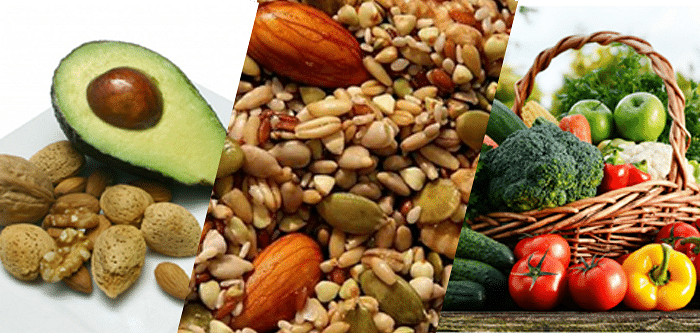
Your body needs carbs, fats, proteins, vitamins, and minerals. Focus on positive nutrition—what to include, not what to remove.
You don’t have to give up your favourite foods. Just eat them in the right quantity. This keeps your mind and body happy.
Hunger is not your enemy. If your body says it needs food, listen. Respect your hunger and fullness cues.
Don’t think of a diet as something you do for a few weeks. Let it become a diet lifestyle change—something you can live with, long-term.
Instead of asking, “Is dieting good or bad for your health?” it’s better to ask: “Does this way of eating support my overall wellness?”
Dieting and wellness should go together. Any diet that harms your mental or physical health is not worth it. Focus on eating habits that support your energy, happiness, and health.
Eating well should make your life better, not harder.
Dieting isn’t all good or all bad. It depends on how and why you’re doing it. If your goal is short-term weight loss, and you’re following a restrictive or unsafe plan, the risks can outweigh the benefits.
But if your goal is long-term health and you're choosing balanced, nourishing foods, then that’s not really "dieting"—that’s healthy eating.
So, is dieting good or bad for your health? The answer lies in your approach. Choose one that supports your mind, body, and soul—and you'll never need to "diet" again.