“According to an ICMR study and public health reporting, India has around 136 million people with prediabetes and over 101 million adults living with diabetes. Many suffer in silence daily without knowing how to reverse insulin resistance or being able to recognise insulin resistance symptoms. This post aims to share how daily lifestyle adaptations can help to reverse insulin resistance and, subsequently, the risk of prediabetes and diabetes.”
The bloodstream of an insulin-resistant individual is never really clear of glucose. Physical activity lowers blood glucose for up to 24 hours after the workout.
But exercise-driven muscle contractions bypass this block and pull glucose into working muscles. The solution seems simple. Still, how come India is one of the world's most diabetic nations today?
At FITPASS, we champion personalised fitness plans and diets for this very reason. Each body is unique. Every individual has different needs, fitness levels, and history. Everyone responds differently to diet and exercise.
This blog post might not be the one you were looking for, but the one you most likely need. Let’s get right into it.
India’s Need for an Insulin Resistance Diet
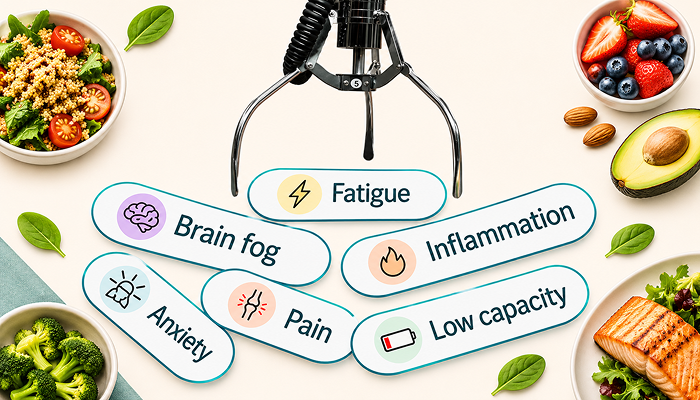
November is Diabetes Awareness Month, with November 14th marking World Diabetes Day. Insulin resistance precedes and accompanies type 2 diabetes. So naturally, before we discuss how to address diabetes in 2026, we need to talk about how to reverse insulin resistance first. Let’s start with the key insulin resistance symptoms that one may experience:
Brain Fog: Impaired insulin signaling and blood sugar disrupt the brain's efficiency in using energy. This often shows up in affected people as brain fog, fatigue, and trouble concentrating.
Inflamation: Excess fat tissue and elevated blood sugar can trigger low-grade chronic inflammation.
Pain: Metabolic changes can contribute to blood vessel strain or nerve irritation, especially if blood sugar rises towards prediabetes or diabetes. This plays a role in joint discomfort and pain for many people.
The good news? Insulin resistance can often be improved with consistent lifestyle changes and medical guidance. With insulin resistance, the best thing you can do is have a better understanding of how your body responds to food and exercise.
What is Insulin Resistance?
Insulin resistance means your muscle, liver, and fat cells respond poorly to insulin. The scene changes when you workout and follow a sugar-reset diet. Insulin itself is not the problem. It is simply a hormone that helps glucose move from your bloodstream into your cells. The cells use it to produce energy. The problem arises when your cells start to respond less effectively to insulin. That is when your pancreas may produce more insulin to help maintain normal blood glucose levels.
Over time, this becomes a repetitive cycle.
The body cannot compensate adequately. So it produces more insulin to compensate. This is insulin resistance. Staying in this loop potentially leads to prediabetes or type 2 diabetes. That is why regular health checks help you keep your insulin resistance in check.
The Radcliffe Labs Analysis
Diagnostic lab trends in India highlight the high blood sugar rates.
A large-scale diagnostic analysis of 2.8 million individuals by Radcliffe Labs in January 2025. The analysis highlighted that 1 in 2 Indian adults face the risk of having a lifestyle disorder, as per ICMR. These common lifestyle disorders in India include diabetes, which is closely related to insulin resistance. That only makes it more important to monitor health to check for signs.
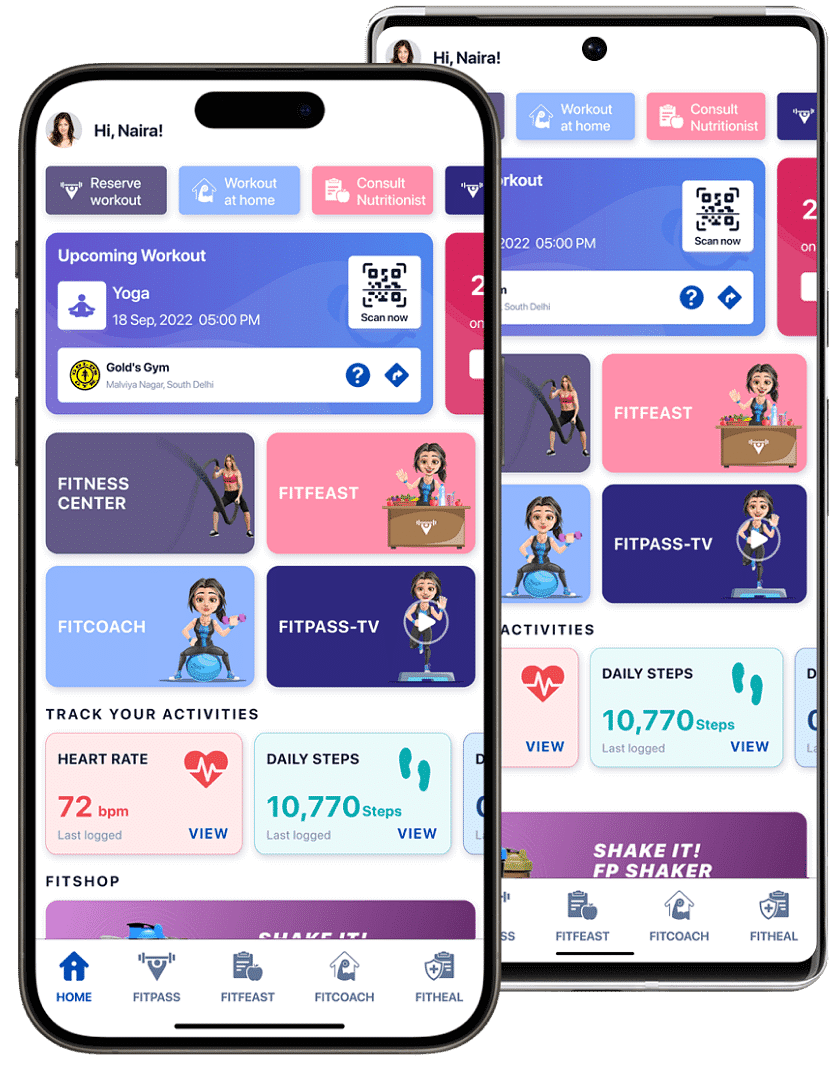
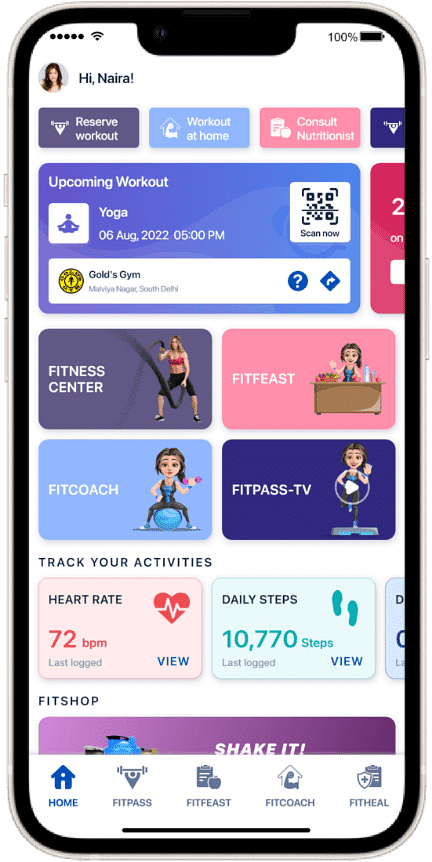
Manage Health Tracking with FITHEAL FITHEAL is a preventive healthcare service by FITPASS that helps you monitor standard blood sugar tests alongside a personalised diet and fitness routine that works best to help you achieve your fitness and wellness goals. Access specific test menus in the FITHEAL service directly within the FITPASS app. |
Factors for Insulin Resistance
Insulin resistance is associated with several factors, such as:
It doesn't necessarily mean you have diabetes, nor does it mean you're destined to develop it. However, recognising it early and taking action can make a meaningful difference to your health.
How to Reverse Insulin Resistance with a Diet
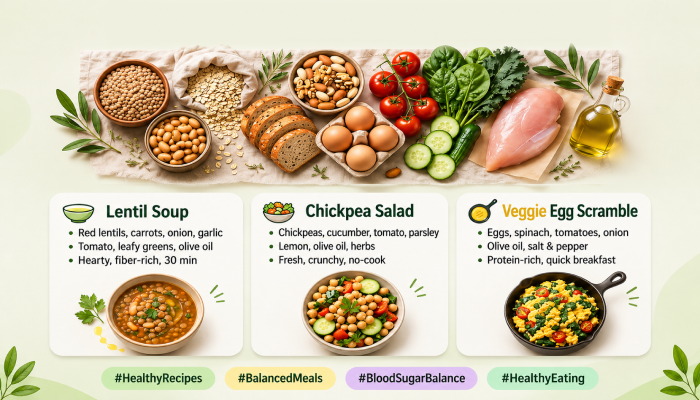
Changing what you eat can help your body respond better to insulin. The trick to understanding how to reverse insulin resistance is to make smarter food choices that support stable blood sugar levels. Over time, it helps to improve insulin sensitivity. FITPASS dietitians recommend adding these foods to your diet for insulin resistance.
Food group | Foods to reverse insulin resistance | How it helps |
High-fibre foods | Oats, lentils, beans, leafy greens | Slow digestion and reduce blood sugar spikes |
Lean proteins | Eggs, paneer, tofu, chicken | Keep you fuller for longer and balance meals |
Healthy fats | Almonds, walnuts, seeds, olive oil | Support metabolic health |
Whole grains | Brown rice, millets, quinoa | Provide fibre and slower-digesting carbohydrates |
Low-GI fruits | Apples, guava, berries | Offer fibre and nutrients without rapid glucose spikes |
A few more habits matter such as:
Pair carbohydrates with protein and fibre.
Limit sugary drinks, and refined carbs.
Avoid highly processed snacks.
Avoid crash diets or eliminating entire food groups.
Remember, diet works best alongside regular physical activity, quality sleep and consistent lifestyle changes. Consult a registered dietitian for a personalised plan.
Recommended: Dietitians Roundtable: Why Precision Nutrition is for Everybody
How to Strength Train Against Insulin Resistance

Your muscles are among the body's major sites for glucose uptake.
They take up glucose to fuel movement.
Strength training is important to reverse insulin resistance, as it helps you build and maintain muscle mass. You see, muscle is what supports glucose metabolism and overall physical health. Incorporating these strength training exercises into your routine is a good way to start.
Exercises Against Insulin Resistance | Repetitions |
Bodyweight squats | 3 sets of 10–12 reps |
Dumbbell rows | 3 sets of 10 reps per side |
Glute bridges | 3 sets of 12 reps |
Wall or knee push-ups | 3 sets of 8–10 reps |
Dumbbell shoulder presses | 2–3 sets of 10 reps |
Start with manageable resistance and focus on proper technique.
New to strength training? Begin with bodyweight movements and gradually take it up from there.
The Best Exercises for Insulin Resistance
The best exercises for insulin resistance are those you can perform consistently and safely. A combination of aerobic exercise and strength training improves insulin sensitivity and physical fitness.
Exercise | Duration/Frequency | Benefits |
Brisk walking | 30 minutes, 5 days a week | Improves cardiovascular fitness and supports glucose utilisation. |
Strength training | 2–3 days a week | Builds muscle and supports insulin sensitivity. |
Cycling | 20–30 minutes | Supports cardiovascular fitness and lower-body endurance |
Yoga | 20–30 minutes, 2–3 days a week | Supports flexibility, balance and stress management. |
Swimming | 20–30 minutes | Low-impact aerobic exercise for overall fitness. |
Note: People taking medications that can cause low blood glucose may need specific exercise precautions. Always speak to your healthcare professional and dietitian before making significant changes to your routine.
Can You Reverse Insulin Resistance Permanently?
The short answer is yes.
Insulin resistance can improve substantially with dedicated lifestyle changes. Many prediabetics in India return to normal blood glucose levels through healthy lifestyle changes. Whether that reversal stays permanent depends on lifestyle choices and underlying causes. This largely includes maintaining consistent habits in the following:
balanced whole-food diet for healthy insulin sensitivity.
practising regular aerobic exercise.
regular strength training and resistance exercise.
maintaining weight stability.
getting 7 hours of restorative sleep.
chronic stress management.
Old lifestyle habits leading to weight gain, inactivity, or intake of refined sugars and processed foods are often the reasons why insulin resistance keeps coming back for most people.
Searches such as "how I cured my insulin resistance" and “how to reverse insulin resistance” often reflect people looking for personal success stories. While these stories can be encouraging, individual results vary. At FITPASS, we emphasise that what works for one person may not work for another. This is where personalisation comes in.
FITPASS 360 membership is one way to ensure that your fitness and wellness routine is truly fine-tuned to your unique needs.
Sustainable improvements generally involve consistent habits rather than quick fixes. According to the National Institute of Diabetes and Digestive and Kidney Diseases (NIDDK), here are 3 things that help reverse insulin resistance:
healthy eating
physical activity
weight management
adequate sleep
When managed carefully, these things can help prevent or reverse insulin resistance and prediabetes. For people at high risk of developing diabetes, losing approximately 5–7% of their starting weight can help reduce the risk of developing the condition. The focus should be on improving your health, not chasing a quick cure.
Take Charge of Your Metabolic Health With FITPASS
Improving insulin resistance is about building a routine that supports your body consistently. From strength training and cardio to yoga and other fitness activities, regular movement can help you take meaningful steps towards better metabolic health. Make movement a habit, build strength gradually and take the first step towards a healthier you.
Explore fitness activities that fit your schedule, fitness level and lifestyle with FITPASS.
Access 15+ workout activities with one membership.