Kalonji is the black gold of the spice world.
The spice has recently surged in popularity as a natural superfood. Kalonji (black seed) is known to boost immunity, metabolism and muscle recovery after workouts. That makes this blog a callout for fitness enthusiasts, parents, and Ayurvedic practitioners. While the benefits of eating kalonji seeds are well-known, the Indian lifestyle has gradually limited the usage of kalonji to just naans, kulchas and pickles. It’s time we change that. This quick 7-min read emphasises the impact of kalonji on your immunity, inflammation control, metabolism, weight management, and fitness recovery.
Consequently, your skin and hair health is also improved with all the changes.
So let’s go over the benefits of kalonji, its uses, safe dosage, and growing relevance for fitness.
What is Kalonji?
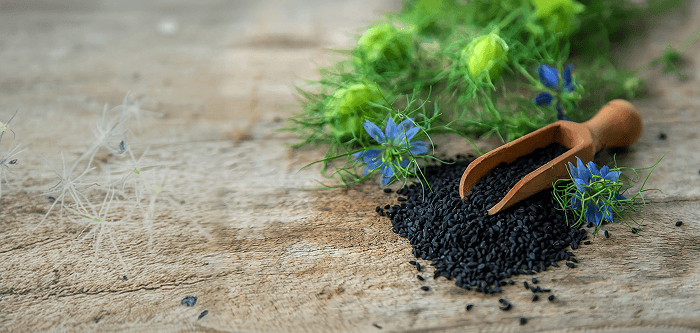
Kalonji is scientifically known as Nigella sativa. Botanically, they belong to the Ranunculaceae family. These seeds have been used for centuries in India as a natural remedy within Ayurveda, herbal medicine, and culinary needs. Kalonji is well known to support digestion, boost immunity, balance blood sugar, and promote healthy skin and hair.
- Flowers: Delicate and distinct, usually pale blue or white with 5 to 10 petals.
- Physical Traits: They are multi-celled capsules containing numerous small, triangular or pyramidal seeds.
- Seed Colour: Pure, dark black. The seeds have a rough and matt surface.
|
How the World Knows Kalonji (Nigella Seeds)
|
|
Nations
|
Better Known As
|
|
India
|
Kalonji
|
|
United Kingdom
|
Black Caraway or Black Onion Seeds
|
|
United States of America
|
Nigella seeds or Black Cumin
|
|
Southwest Asia & North Africa (SWANA)
|
Shoniz
|
|
Eastern Europe
|
Charnushka
|
Rajasthan: Home to Quintals of Black Gold
India is one of the largest producers and exporters of Kalonji in the world.
India produces around 20,000–30,000 tonnes (2-3 lakh quintals) annually, with Rajasthan leading. These seeds need to be cultivated in warm, arid, and semi-arid regions. The soil must be well-drained for cultivation with some rainfall. In India, the northwest and central parts of the country best support the production of these seeds. Rajasthan is one of the leading producers of kalonji in India, with major agricultural and trade hubs in regions such as Jaipur, Jodhpur, and Neemuch.
Besides Rajasthan, Madhya Pradesh, Gujarat, Assam, Himachal Pradesh, and Tamil Nadu are also key producers of the spice.
- Planting Season: October (post-monsoon)
- Harvest Season: March and April
Key Benefits of Kalonji for Health and Fitness
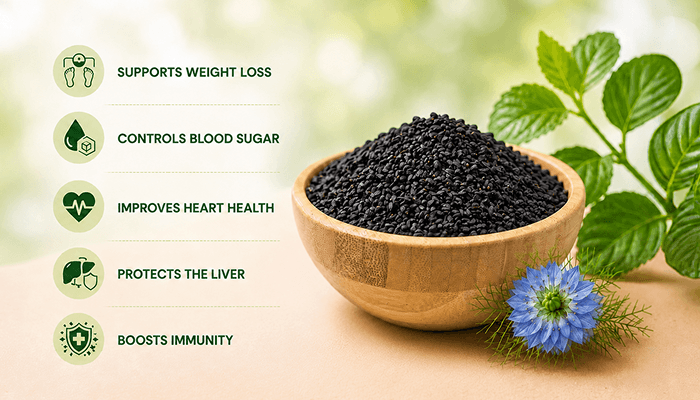
Intense training can temporarily stress your immune system, making you vulnerable to seasonal bugs. Kalonji is a potent natural immunomodulator. Its strong anti-inflammatory and antioxidant properties not only boost your immune defence but also boost your health. Struggling to shed that stubborn fat while maintaining hard-earned muscle mass?
Kalonji might be your secret weapon for weight loss. Active compounds in kalonji, particularly thymoquinone, help boost metabolism and curb appetite. By stabilizing blood lipid levels. It assists your body in burning fat more efficiently, making it an excellent natural aid for your weight loss journey. How many calories did you burn so far? Use our free calorie burn calculator.
-
Kalonji for Fitness Recovery
Kalonji seeds help soothe sore muscles. These seeds help in reducing post-workout downtime so you never have to skip a leg day.
-
Kalonji for Liver Detoxification
Your liver plays a vital role in metabolising nutrients and filtering out toxins, which is especially crucial if you consume high-protein diets or pre-workout supplements. Kalonji is rich in antioxidants that protect the liver from oxidative stress and reduce inflammation. A healthy liver means better protein synthesis, efficient nutrient absorption, and faster recovery.
A happy heart is the result of a healthy cardiovascular system, which is the engine of your athletic performance. Kalonji has been shown to lower LDL (bad) cholesterol and help regulate blood pressure. By promoting clean, efficient blood flow, these seeds help deliver oxygen to your muscles faster, enhancing your stamina and overall aerobic endurance during high-intensity interval training (HIIT) or cardio sessions.
Culinary and Medicinal Role of Kalonji in India
Kalonji is a cornerstone of Indian heritage.
Here are the different names by which people refer to Kalonji in their regional language.
|
How India Knows Kalonji (Nigella Seeds)
|
|
Regional Languages
|
Better Known As
|
|
Hindi
|
Kalonji, Kalajira, or Mangraila
|
|
Bengali
|
Kala Zeera or Kalo Jire
|
|
Marathi
|
Kaale Jeere
|
|
Gujarati
|
Kali Jiri
|
|
Nepali
|
Mungrelo
|
|
Garhwali
|
Mangraila
|
|
Kannada
|
Kari Jirige
|
|
Telugu
|
Nalla Seed
|
|
Tamil
|
Karunjiragam
|
In the bustling spice markets of Old Delhi, this tiny black seed holds a legendary reputation. The culinary world uses this ingredient in tadkas (temperings), elevating the flavour notes of the dishes. It is also revered as a holistic panacea in traditional Indian medicine. The nutrient profile of kalonji comprises roughly 17% protein, 22% fat, and 10.5% dietary fibre. No wonder it is a well-used herb in Ayurvedic practices and oils.
Key Benefits of Kalonji in Ayurveda
Did you know that kalonji seeds and oil in traditional remedies go back more than 2000 years? For centuries, these tiny black seeds have been prized in traditional medicine. Today, modern science is catching up, proving that kalonji seeds benefits go far beyond just adding flavour to your meals. From boosting metabolism to speeding up muscle recovery, here is why kalonji deserves a permanent spot in your fitness regime. Beyond general fitness, these seeds offer gender-specific advantages that align perfectly with the training goals of men and women.
- Kalonji Benefits for Females: For women, kalonji acts as a natural hormone balancer. It helps alleviate menstrual cramps, combats PCOS symptoms, and prevents the skin breakouts and hair thinning that can sometimes be exacerbated by sweat-heavy gym sessions.
- Kalonji Benefits for Males: Whatever may be the fitness activity you have chosen, male fitness enthusiasts can leverage kalonji to support natural testosterone levels. Kalonji benefits for males also include improved endothelial function (essential for muscle pumps) and enhanced overall strength recovery.
|
What Science Says
Kalonji is an annual herb. The presence of thymoquinone is what gives this herb many pharmacological properties. Black seeds and their oil have a long history of folklore usage in the Indian and Arabian civilisations as food and medicine. These seeds have been commonly used as treatment for a variety of health conditions pertaining to the liver, respiratory system, digestive system, cardiovascular system, and immune system support, as well as for general well-being.
|
How to Add Kalonji Seeds to Your Diet
Unlocking these benefits is incredibly easy.
Here are three of the best ways people use nigella seeds for fitness all over the world.
- Roasted and Sprinkled: Dry-roast a teaspoon of kalonji seeds and sprinkle them over your post-workout oatmeal or salads. This is also known to help with digestion and reduce any inflammation with its anti-inflammatory properties.
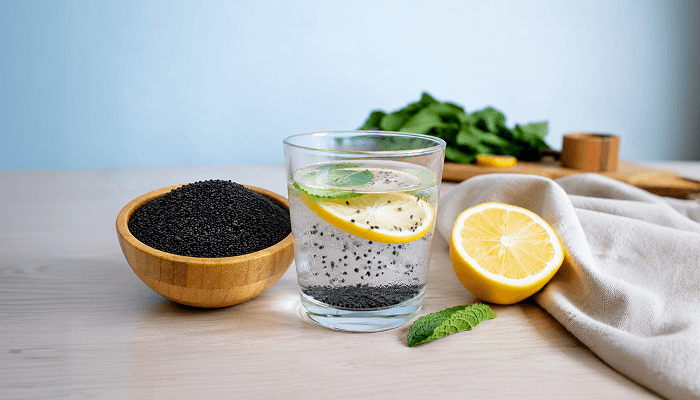
- Kalonji Water Drink: Mix half a teaspoon of kalonji with warm water and honey first thing in the morning. Kalonji water benefits include helping regulate blood sugar right at the start of your day.
- Blend into Shakes: Blend a pinch of ground kalonji seeds directly into your daily protein shake. Keep in mind not to add too much to avoid the side effects. Keep reading to know more.
Kalonji Side Effects: What to Watch Out For?
Kalonji side effects are noticeable if you consume it excessively. Ideally, 1 to 2 teaspoons per day of kalonji seeds can be used for tadka or in honey water. If you are using kalonji oil, then a few drops up to 1/2 a teaspoon per day is recommended. It is crucial to keep the dosage in mind. The failure to do so will result in some of the following:
- Hypoglycemia
- Blood thinning
- Blood pressure drops
- Contractions in Pregnancy
- Bloating & Digestive Issues
Kalonji Oil Topical Uses for Hair and Skin
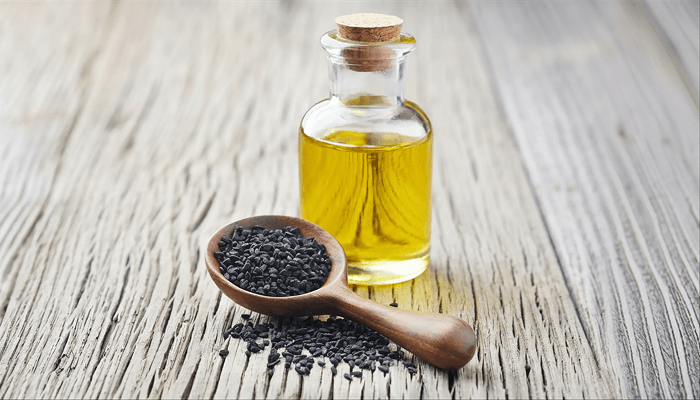
Kalonji oil benefits your hair and skin immensely, all thanks to thymoquinone.
Thymoquinone is the star active ingredient in black seed oil. It is the main bioactive compound in Kalonji that gives it many of its skin and hair benefits. You must have noticed your grandmother or mother simmering these seeds in coconut oil over a low flame. When applied topically, its antioxidant and anti-inflammatory properties help soothe scalp irritation and support a healthier environment for hair growth.
On the skin, kalonji oil helps to calm redness and support the skin's natural healing process. More human studies are being conducted to further confirm its effectiveness for hair growth and skin health. Need sure-shot results? If you seek glowing skin, here are the best superfoods for anti-ageing skin.
Conclusion
Sometimes the smallest ingredients can make the biggest difference.
Kalonji is a powerhouse superfood if building lean muscle, shredding fat, or simply staying healthy is your goal. It supports and balances your body from the inside out.
While no single food or spice is a shortcut to better health, adding nutrient-rich foods like kalonji to a balanced diet can support your fitness journey one meal at a time. Pair smart nutrition with regular workouts, quality sleep, and consistency to unlock lasting results. Looking for more practical fitness and nutrition insights? Explore the FITPASS blog and discover expert-backed tips to help you eat better, train smarter, and live healthier every day.