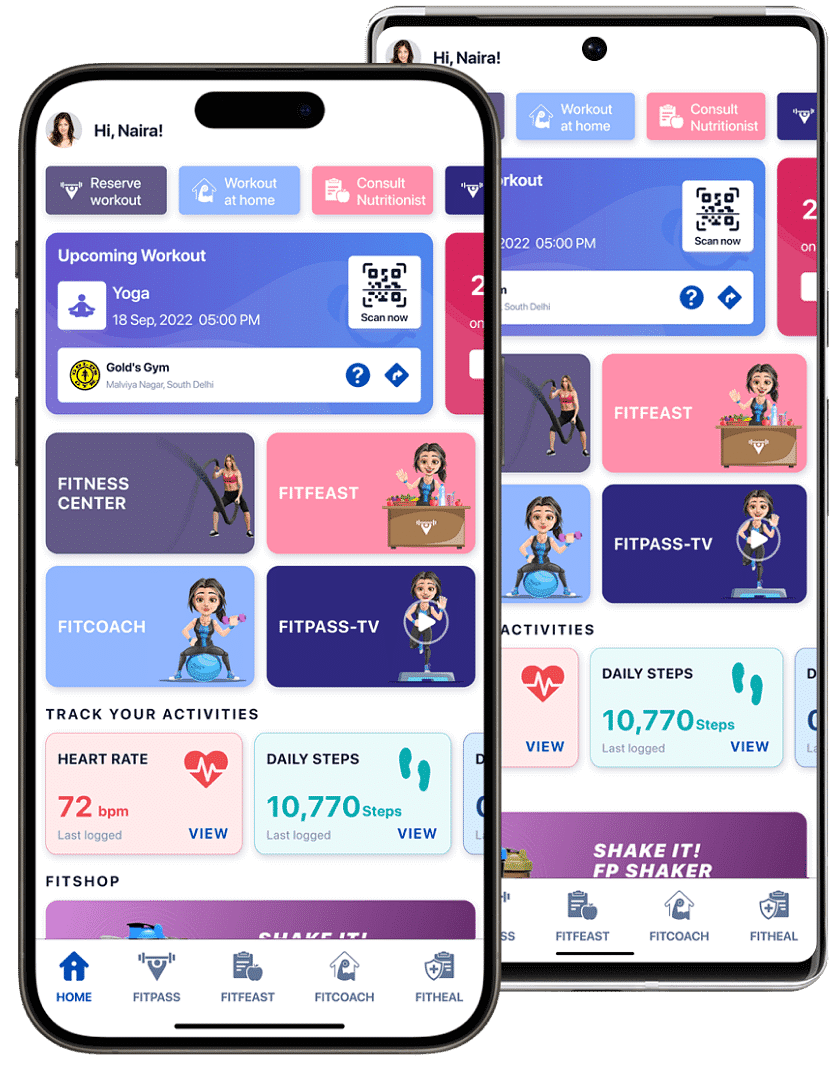
In today’s fast corporate environment, employees are constantly expected to deliver high-quality work under tight deadlines. Yet, productivity doesn’t come from sheer willpower alone. One of the most overlooked factors affecting workplace performance is nutrition. The food employees consume directly influences their focus, energy, and overall cognitive performance. From post-lunch slumps to mid-afternoon fatigue, what we eat at work can make or break a productive day.
Proper workplace nutrition is more than just eating “healthy.” It’s about feeding the brain and body with the right combination of macronutrients, micronutrients, and hydration to sustain high energy levels, improve concentration, and enhance resilience. Companies increasingly recognise this, with corporate wellness programs integrating nutrition into employee wellness initiatives to drive tangible performance outcomes.
Key Takeaways
- Consistent energy fuels consistent focus: Steady glucose supply avoids energy crashes.
- Healthy fats build a better brain: Omega-3s and Mediterranean-style diets improve cognitive clarity.
- Micronutrients power mental performance: Iron, B vitamins, and antioxidants are essential.
- Hydration and meal timing matter: Adequate water and balanced meals prevent fatigue and support concentration.
- Workplace wellness benefits from nutrition: Integrating healthy eating options enhances employee wellness and productivity.
Fueling the Cognitive Engine: A Nutritionist’s Guide

As a nutritionist focused on performance optimisation, I often remind professionals that the brain is the body’s most powerful engine, and like any high-performance machine, it runs best on the right fuel. In today’s demanding work environment, nutrition isn’t just about wellness; it’s about sustaining productivity, focus, and resilience.
Here’s how employees can move from energy crashes to consistent cognitive flow through three key nutrition pillars:
1. The Stability Strategy: Keep Energy Steady
The brain thrives on a consistent glucose supply. Large fluctuations in blood sugar, often caused by sugary snacks or refined carbohydrates, can trigger fatigue, mood dips, and brain fog. To maintain steady energy levels:
- Choose: Whole grains, millets, fruits, and legumes. These release glucose slowly, keeping the mind sharp and mood stable.
- Avoid: White bread, pastries, or energy drinks that provide a temporary high followed by a sharp crash.
Think of this approach as switching from a flickering flame to a steady burn, exactly what the brain needs to remain focused throughout the day.
A 2019 study published in Frontiers in Nutrition demonstrated that employees who consumed complex carbohydrates and protein-rich lunches reported higher afternoon productivity and reduced feelings of fatigue. This highlights how even small dietary shifts can have measurable effects on employee focus and energy.
2. The Structural Strategy: Build a Better Brain
Fuel alone isn’t enough; structural support for the brain is equally important. The brain’s communication system relies heavily on healthy fats, particularly Omega-3 fatty acids like DHA and EPA, to maintain fast and clear neural signalling.
Include: Walnuts, chia seeds, flaxseeds, and plant-based Omega-3 sources.
Adopting a Mediterranean-style eating pattern, rich in healthy fats, vegetables, and antioxidants, has been linked to improved memory, mood, and long-term brain health. Employees who incorporate these foods into their daily diet often experience more stable energy levels and better mental performance throughout the workday.
This structural approach ensures the brain is optimally primed for high-level thinking, problem-solving, and decision-making.
3. The Catalytic Strategy: Micronutrients Matter
Even with the right fuel and structure, micronutrients act as the spark plugs that turn food into usable energy. Nutrients such as iron and B vitamins are critical for cognitive performance.
- Iron: Ensures sufficient oxygen transport to the brain, preventing fatigue and low focus.
- B-Vitamins: Support energy metabolism and help produce mood-regulating neurotransmitters like dopamine and serotonin.
A colourful, whole-food-based diet rich in vegetables, fruits, nuts, and legumes guarantees a consistent supply of these vital nutrients. Quick office snacks like almonds, trail mixes, or fresh fruit can make a big difference in sustaining focus during demanding work hours.
Studies have shown that micronutrient supplementation in employees experiencing mild deficiencies leads to noticeable improvements in attention span, alertness, and overall productivity.
Quick Wins: Hydration and Meal Timing

Hydration is often overlooked in workplace nutrition, yet even mild dehydration can slow reaction times by nearly 15%. Keeping a water bottle on your desk and sipping throughout the day ensures the brain remains optimally functional.
Meal timing also influences cognitive performance. Protein and healthy fat-rich lunches, for example, paneer with vegetables or a handful of nuts with a salad, help reduce the post-lunch slump more effectively than carbohydrate-heavy options. Breakfast sets the metabolic tone for the day, providing energy for morning tasks and meetings. Foods like oats with chia seeds or a smoothie with greens and fruit deliver both energy and nutrients for sustained focus.
A well-timed meal plan combined with hydration creates a stable energy environment, preventing afternoon fatigue and maintaining productivity.
Foods That Boost Concentration and Energy
Certain foods can actively enhance cognitive performance and employee energy levels:
- Blueberries: Rich in antioxidants that reduce cognitive decline and improve memory.
- Dark chocolate (70%+ cocoa): Contains flavonoids that enhance blood flow to the brain.
- Eggs: High in choline, which supports memory and learning.
- Leafy greens: Spinach, kale, and broccoli provide vitamins that improve mental clarity.
- Nuts and seeds: Excellent sources of Omega-3s and protein for sustained energy.
- Legumes and whole grains: Stabilise blood sugar for long-lasting focus.
Incorporating these foods into workplace nutrition programs or personal meal plans can significantly enhance employee energy, focus, and productivity.
Implementing Workplace Nutrition Strategies

Companies can take practical steps to integrate nutrition into employee wellness programmes. Here are some ideas:
- Healthy Office Snacks: Stocking nuts, fruits, and yoghurt instead of sugary treats.
- Balanced Meal Options: Offering nutrient-rich lunch plans or subsidising healthy food deliveries.
- Nutrition Workshops: Educating employees on diet for mental performance.
- Hydration Stations: Encouraging regular water intake with accessible refill points.
Such initiatives not only improve employee focus and energy but also reinforce a culture of well-being and productivity. Corporate wellness through nutrition is an investment that pays off in reduced fatigue, improved morale, and higher output.
Personal Experience: Witnessing the Impact of Nutrition
In my work with professionals, I’ve observed a noticeable transformation when employees prioritise nutrition. For example, one team I consulted with struggled with afternoon energy dips. By incorporating high-protein lunches, whole grains, and hydration routines, employees reported sustained focus, better mood, and even enhanced collaboration in meetings.
Some started using services like nutrition consultations to access curated, healthy meals conveniently, a subtle yet effective addition to their workplace wellness routine. This combination of proper fuel, structure, and micronutrients transformed not only their productivity but also their overall workplace satisfaction.
Conclusion
Nutrition is a powerful lever for improving employee focus and energy. From stabilising blood sugar to supporting brain structure with healthy fats and ensuring adequate micronutrient intake, every dietary decision impacts workplace productivity. Companies that invest in workplace nutrition see tangible benefits: reduced fatigue, enhanced concentration, and higher employee wellness.
As a nutritionist, I often remind professionals: a well-nourished brain is a high-performing brain. Small, consistent dietary changes, combined with hydration, smart meal timing, and easy access to healthy meals through solutions like nutrition support, can transform employee energy, focus, and overall productivity, creating a healthier, more resilient workplace.



Can improving workplace nutrition really boost employee productivity?
Yes. Balanced meals, regular hydration, and nutrient-rich snacks help maintain focus, prevent energy crashes, and enhance mental performance.
Which foods are best for sustaining focus during long work hours?
Whole grains, lean proteins, Omega-3-rich foods, and fresh fruits and vegetables are ideal for cognitive performance and energy maintenance.
How often should employees eat during the workday?
Three balanced meals, complemented by 1–2 nutrient-rich snacks, can stabilise energy levels and prevent fatigue.
Are there simple ways to integrate nutrition into corporate wellness programs?
Yes. Stock healthy office snacks, organise nutrition workshops, provide access to balanced meal plans, and encourage hydration to support overall workplace wellness.