Table of Contents
Sleep is not just about rest; it is the body’s way of repairing, resetting, and preparing for another day. Yet, millions of people struggle with poor sleep, whether it’s difficulty falling asleep, staying asleep, or waking up feeling unrested. Instead of turning to sleeping pills or quick fixes, science reveals that diet, sleep, exercise, and sleep quality are closely interconnected. With the right foods, routines, and fitness habits, you can naturally improve your sleep.
In this blog, we’ll explore the sleep and fitness connection, the science behind sleep and wellness, and how small changes in your diet and lifestyle can help you achieve healthy sleep habits.
- Your diet and sleep are closely linked; foods rich in nutrients like magnesium and tryptophan can promote better rest.
- Regular physical activity improves deep sleep, balances hormones, and reduces stress.
- Exercise timing and sleep matter; morning exercise enhances circadian rhythm, while evening workouts may affect melatonin release.
- Building healthy sleep habits like consistent bedtimes, mindful eating, and stress management is essential for overall wellness.
- Combining nutrition for better sleep with the sleep benefits of physical activity creates a powerful natural remedy for insomnia and restlessness.
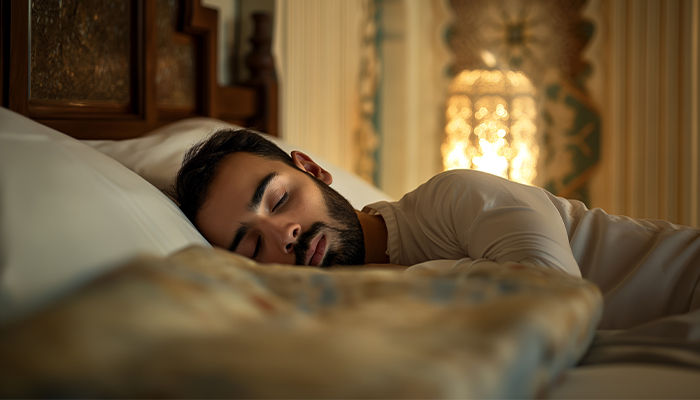
Sleep is governed by circadian rhythms, hormones like melatonin and cortisol, and lifestyle habits. Researchers have found that lack of sleep doesn’t just leave you tired; it impacts metabolism, mood, and immunity. A study published in the journal Sleep revealed that adults who slept less than six hours a night had a higher risk of obesity and type 2 diabetes, showing the strong link between sleep and metabolic health.
Interestingly, both food and physical activity influence these biological systems. Just as caffeine can disrupt sleep, certain nutrients and workout timings can strengthen the body’s natural rhythms, helping you drift off faster and enjoy restorative rest.
Your food choices play a huge role in your sleep cycle. Eating heavy meals late at night can trigger indigestion, while nutrient-rich meals can encourage the release of calming neurotransmitters.
Some of the best foods for sleep include:
- Magnesium-rich foods for sleep, like spinach, almonds, and pumpkin seeds, relax the muscles and regulate melatonin.
- Protein intake and sleep balance: lean protein sources such as turkey, eggs, and yoghurt contain tryptophan, an amino acid that boosts serotonin and melatonin.
- Complex carbohydrates like oats and brown rice help tryptophan cross the blood-brain barrier, enhancing sleepiness.
These foods that help you sleep not only promote rest but also support overall health, making them a double win.

When it comes to natural solutions, exercise is one of the most powerful tools to improve sleep. Studies have consistently shown that physically active people report better sleep duration and quality than sedentary individuals.
The sleep benefits of physical activity go beyond just helping you fall asleep. Exercise:
- Increases slow-wave sleep (deep sleep), which is essential for recovery.
- Reduces anxiety and stress, key causes of insomnia.
- Improves overall energy balance, supporting sleep and metabolic health.
Whether it’s cardio and sleep improvement or strength training, being active boosts restorative processes in the body.
While exercise is good for sleep, timing matters.
- Morning exercise and sleep: Working out early in the day reinforces your circadian rhythm, making it easier to fall asleep at night. It also boosts energy and alertness during the day.
- Evening workouts and melatonin: Intense activity too close to bedtime can delay melatonin release, making it harder to relax. However, light activities like yoga or stretching in the evening may actually promote calmness and readiness for bed.
Understanding your body’s response can help you design the best routine for your lifestyle.

If you’re wondering how to improve sleep naturally, your plate may hold the answer. A simple diet plan for better sleep can include:
- A magnesium-rich snack in the evening (e.g., a banana with almond butter).
- Herbal teas like chamomile or valerian root instead of caffeinated drinks.
- Avoiding heavy or spicy foods before bed to prevent heartburn.
Combining these with sleep hygiene tips like dimming lights, avoiding screens, and maintaining a cool bedroom can further improve results.

Food and exercise work best when supported by consistent habits. Healthy sleep habits include:
- Going to bed and waking up at the same time daily.
- Creating a calming pre-bed routine, like light reading or meditation.
- Avoid alcohol and caffeine close to bedtime.
These small but steady steps create a foundation for long-term rest and rejuvenation.
When I first started focusing on my health, I was mostly exercising for weight loss and fitness. What I didn’t expect was how much my sleep would improve. After just a few weeks of adding evening walks and adjusting my meals, swapping late-night fried snacks for lighter, protein-rich options, I noticed I was falling asleep faster and waking up with more energy.
Many people I’ve spoken to echo this. One friend who struggled with restless nights found that switching to morning runs and incorporating foods that help you sleep, like yoghurt and nuts, into her diet completely transformed her rest. The sleep and fitness connection is real, and once you experience it, there’s no going back.
For those who feel unsure about where to start, guided nutrition plans, like those available through FITFEAST, can make the journey smoother.
The science behind sleep and wellness makes one thing clear: what you eat and how you move directly impact your rest. By focusing on nutrition for better sleep, adjusting exercise timing, and adopting healthy sleep habits, you can naturally enhance your quality of life.
Sleep is not a luxury; it is the foundation of health. With the right foods and physical activity, your nights can be as productive as your days, quietly healing, restoring, and energising you for what’s ahead.