Loading...
loading...

Start with simple drills like foam roller self-massage, slow dynamic stretching, and gentle bouncing movements. These improve hydration and elasticity in your fascia. You can follow online videos or consult a movement coach for guidance.
You can practise fascia training 3–5 times a week. Even 10 minutes daily can make a big difference. Combine stretching, rolling, and elastic movements for the best results.
Yes. Many people experience relief from pain through myofascial release training and regular fascial fitness. It reduces stiffness and helps improve posture and movement quality.
Absolutely. Fascial system training can improve mobility, balance, and reduce the risk of falls. It’s low-impact and can be adapted to any fitness level.

Table of Contents
In recent years, the fitness world has shifted its focus from just muscles and bones to something equally important—the fascia. This once-overlooked tissue is now in the spotlight, thanks to the growing popularity of fascia training. With roots in both science and movement therapy, fascial fitness is helping people move better, feel better, and stay injury-free.
This blog explores everything you need to know about connective tissue training, from the science behind it to the best fasci-focused exercises you can do at home. Whether you’re an athlete or someone looking to improve flexibility and mobility, fascia training can benefit you.
Fascia is a thin, web-like layer of connective tissue that wraps around every muscle, bone, and organ in your body. It supports movement, gives structure, and even stores and transfers energy. Imagine it like a stretchy bodysuit that holds your body together.
In the past, fascia didn’t get much attention. But thanks to researchers like Dr. Robert Schleip, the world now understands how important the fascial system is to overall health and performance. He highlighted how fascia is rich in nerve endings and plays a crucial role in sensory body perception training.
When fascia becomes stiff or dehydrated, it can limit movement and cause discomfort. That’s why training is important.
Fascia training refers to a mix of movements and techniques designed to strengthen, stretch, and hydrate the fascia. This type of training focuses on improving the elasticity, mobility, and resilience of this tissue.
Unlike traditional workouts that focus on isolated muscles, fascial system training uses full-body movements. These movements mimic real-life motions and promote better coordination. You can think of it as training your body to move more fluidly and naturally.

The idea of training the fascia isn’t just a trend. It’s balanced by research and growing evidence. Fascia reacts to movement, hydration, and even your mood. Regular connective tissue training increases blood flow, improves flexibility, and helps prevent injuries.
Studies show that fascia behaves like a sponge. When compressed and released – like in foam roller self-massage – it rehydrates and becomes more elastic. This is the principle behind many fascia mobility drills and myofascial release training.
The more elastic your fascia, the better your body can absorb and transfer force. This leads to better athletic performance and reduced risk of injury.
There are many reasons why people are turning to fascia-focused exercises. Here are some of the top fascia workout benefits:
Fascia training doesn’t just make you feel better – it helps you move better too.
To train your fascia effectively, it’s important to use a variety of methods. These include:
This is one of the most common forms of myofascial release training. By rolling over tight areas, you help release tension, improve blood flow, and rehydrate the fascia. Use slow, controlled movements for best results.
These involve dynamic, flowing stretches that target multiple muscle groups. Unlike static stretches, slow dynamic stretching and fascial stretching techniques improve both flexibility and elasticity.
Fascial elasticity exercises include movements like skipping, bouncing, and swinging. These light, rhythmic motions improve the fascia’s ability to store and release energy, also known as the water-filled fascia principles.
Exercises that improve sensory body perception training can help you move more efficiently and prevent injuries. These might include slow walking, balance work, or mindful movement practices.
This involves gentle techniques to refine and tune the fascia, often used in rehabilitation or by physiotherapists. It helps people recover from injuries and improve their movement patterns.
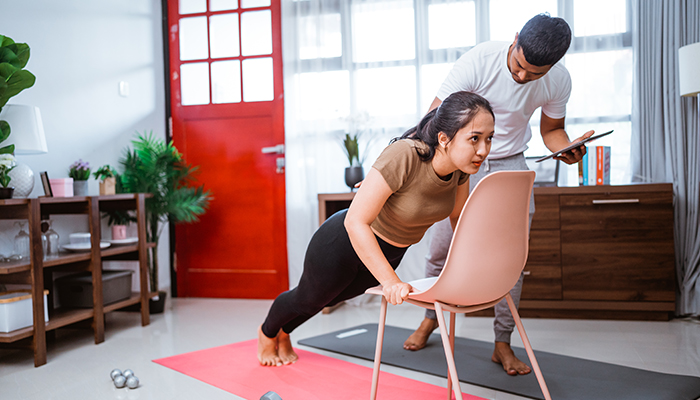
Holistic fascia conditioning is all about training the entire body in a connected way. Since fascia links everything together, focusing on just one area won’t be as effective.
Incorporate a mix of stretching, rolling, movement drills, and even breathwork into your routine. The goal is to keep your fascia supple, hydrated, and responsive. This type of training can complement any fitness regime – from yoga to weight training.
If you’re new to fascia training, here are a few fascia mobility drills to get started:
Perform these drills regularly to improve your flexibility and movement quality.
Athletes especially benefit from fascia elasticity training. Activities like jumping, sprinting, or changing direction put a lot of stress on the fascia. Training it to handle these forces can boost performance.
Plyometric drills, such as jump rope or bounding, help build this elastic strength. It’s not about brute power – it’s about smooth, springy movement.
Training in this way can also lead to fascia performance enhancement. When your fascia is elastic and strong, your body works more efficiently and recovers faster.
Many injuries stem from tight or unhealthy fascia. This can include back pain, joint problems, and even repetitive strain injuries. By including fascia injury prevention exercises in your routine, you can reduce the risk of common issues.
Foam roller self-massage, fascial stretching techniques, and proper hydration can keep your fascia healthy. Movement variety also plays a big role – avoid doing the same workout every day.
Remember, it’s not just about stretching. It’s about training the fascia to move and respond in different ways.
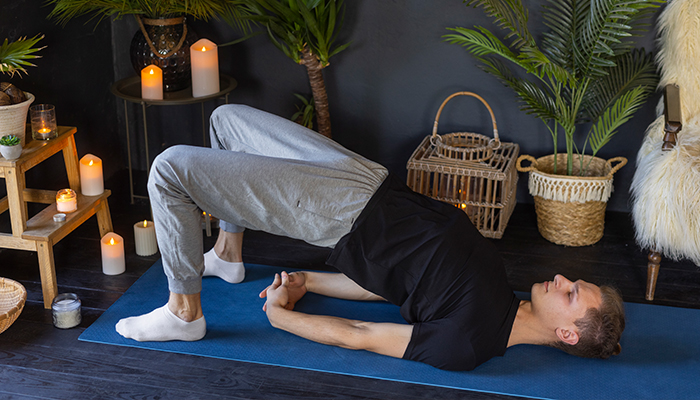
You don’t have to be an athlete to benefit from fascia-focused exercises. Every day activities like walking, standing, or even sitting affect your fascia. Simple movements like shoulder rolls or standing twists can keep it healthy.
Make fascia care a part of your daily routine. Just 10–15 minutes of movement and stretching can make a huge difference in how you feel.
Fascia training is more than a fitness trend – it’s a complete shift in how we think about movement and body care. From fascial refinement work to myofascial release training, this approach benefits everyone.
By focusing on holistic fascia conditioning, you support your entire body, not just your muscles. You improve your posture, prevent injuries, and enhance your body’s natural ability to move.
As research continues, the importance of fascia will only grow. Now is the perfect time to add fascia mobility drills and connective tissue training to your wellness routine.
Fascia training is transforming how we approach fitness and wellness. By understanding and working with your body's natural connective tissue network, you open the door to a more resilient, mobile, and pain-free body.
Whether you’re looking for better flexibility, injury prevention, or just want to feel more at ease in your own body, fascia-focused movement is worth exploring. As Dr. Robert Schleip's fascia research shows, your fascia holds more power than you might think – and now is the time to tap into it.