Air pollution is no longer just an environmental issue. It has quietly become a daily health concern, especially for expectant mothers. From busy roads to construction dust and indoor smoke, polluted air surrounds us more than we realise. When you are pregnant, your body works harder to protect both you and your baby, which makes air pollution and pregnancy a serious topic that deserves attention.
Many women often ask if bad air days truly matter or if short exposure can really affect pregnancy. The truth is, bad air quality and pregnancy are closely linked. Even low-level exposure, when repeated over time, can increase health risks for both mother and baby. Understanding the early warning signs and knowing what air quality index is bad for pregnancy can help you take timely action.
Key Takeaways
- Air pollution exposure during pregnancy can affect foetal growth and maternal health
- Poor air quality may raise the risk of preterm birth and low birth weight
- Knowing what AQI is safe for pregnancy helps reduce unnecessary exposure
- Early symptoms like breathlessness or headaches should not be ignored
- Simple steps like using an air purifier and monitoring air quality can lower the risk
Understanding Air Pollution and Pregnancy
Air pollution consists of harmful substances such as nitrogen dioxide, fine particulate matter, and carbon monoxide. These pollutants enter the body through breathing and can pass from the mother to the unborn baby through the bloodstream. This is why pregnancy and air quality are deeply connected.
When a pregnant woman inhales polluted air, the oxygen supply to the foetus may be reduced. Over time, this may interfere with healthy development. Research shows that air pollution exposure during pregnancy may increase the risk of complications, even if the mother feels relatively fine.
What Makes Air Quality Dangerous During Pregnancy?
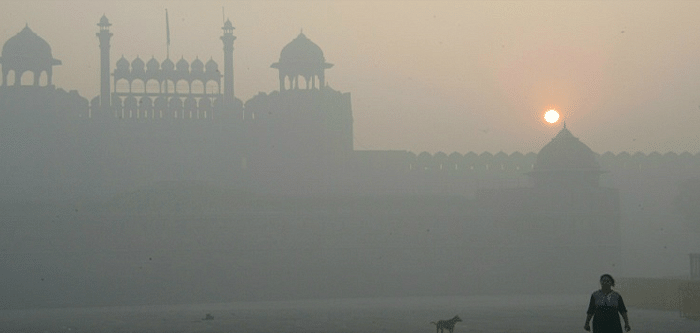
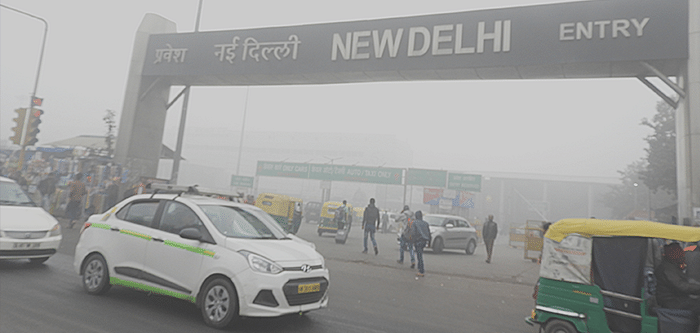
Not all polluted days feel the same. Some days may look clear, but still have high pollutant levels. The air quality index (AQI) helps measure how clean or polluted the air is.
What AQI Is Safe for Pregnancy?
- AQI 0–50 (Good): Safe for everyone, including pregnant women
- AQI 51–100 (Moderate): Generally safe, but prolonged exposure is best avoided
- AQI 101–150 (Unhealthy for sensitive groups): Risky for pregnancy
- AQI above 150: Unsafe and should be avoided
So, if you are wondering if bad air quality is bad for pregnancy, the answer is yes, especially once AQI crosses 100.
How Polluted Air Affects the Mother’s Health
When discussing bad air quality and pregnancy, the focus often stays on the baby. However, polluted air also impacts the mother’s health directly.
Increased Blood Pressure
Exposure to pollution can increase inflammation in the body, leading to higher blood pressure. This may raise the risk of pregnancy-related complications such as preeclampsia.
Breathing and Heart Strain
Polluted air reduces oxygen intake, forcing the heart and lungs to work harder. Pregnant women may experience breathlessness even during simple activities.
Early Symptoms You Shouldn’t Ignore

Your body often sends early signals when something is wrong. During pregnancy, these signs should never be brushed aside.
Common Warning Signs
- Persistent headaches
- Shortness of breath
- Dizziness or nausea
- Chest tightness
- Increased fatigue
While these symptoms can occur during normal pregnancy, their frequency may rise during days of poor air quality. If symptoms worsen on polluted days, it could be a sign that air pollution is affecting your health.
Effects of Air Pollution on the Unborn Baby
Polluted air does not stop at the lungs. Fine particles enter the bloodstream and can reach the placenta.
Risk of Preterm Birth
Studies have found a strong link between air pollution exposure during pregnancy and preterm birth. Babies born too early may face breathing, immunity, and developmental challenges.
Low Birth Weight
Exposure to nitrogen dioxide and particulate matter increases the risk of low birth weight, which may affect long-term health.
Spontaneous Abortion Risk
Some research suggests that high pollution exposure may increase the risk of spontaneous abortion, especially during the first trimester.
What Studies Say About Pregnancy and Air Quality
A large-scale study published in a leading medical journal reported that long-term exposure to polluted air increases pregnancy complications. Another global review by the World Health Organisation highlighted that air pollution contributes to adverse birth outcomes, particularly in urban areas with heavy traffic.
These findings reinforce the importance of understanding what an air quality index is bad for pregnancy and acting early to reduce exposure.
Indoor Pollution: The Hidden Threat

Outdoor pollution gets most of the attention, but indoor air can be just as harmful.
Common Indoor Pollutants
- Cigarette smoke
- Cooking fumes
- Incense sticks and candles
- Poor ventilation
Cigarette smoke, even second-hand, contains toxic chemicals that increase the risk of preterm birth and low birth weight. Pregnant women should avoid smoky environments completely.
Using an air purifier indoors can significantly improve air quality and reduce pollutant levels.
Practical Steps to Reduce Exposure
Taking small, consistent steps can help protect you and your baby from polluted air.
Monitor Daily Air Quality
Check local air quality reports and avoid outdoor activity when AQI is high. This helps manage pregnancy and air quality more effectively.
Use an Air Purifier
A good-quality air purifier at home can reduce indoor pollution, especially in bedrooms.
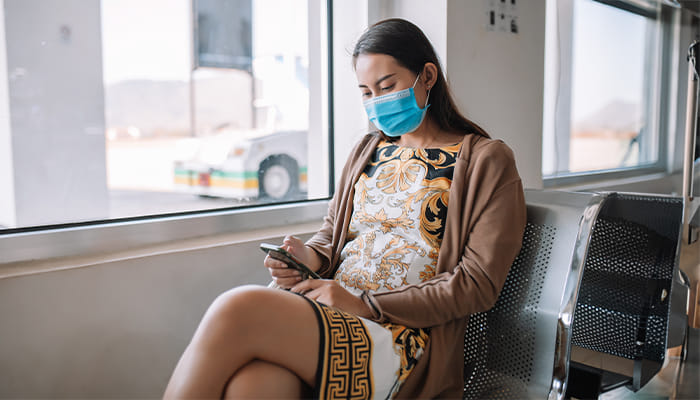
Wear a Mask Outdoors
On high pollution days, wearing a protective mask can limit inhalation of harmful particles.
Improve Ventilation
Ensure proper airflow in your home while avoiding peak pollution hours.
Nutrition and Lifestyle Support

While nutrition cannot cancel out pollution exposure, it can strengthen your body’s defence system.
- Eat antioxidant-rich fruits and vegetables
- Stay hydrated to help flush toxins
- Get enough rest to support immune health
Maintaining overall health helps the body cope better with environmental stress.
When to Speak to Your Doctor
If you notice frequent symptoms linked to pollution exposure, speak to your healthcare provider. They may suggest lifestyle changes or monitoring blood pressure more closely.
Never hesitate to seek help, especially during high pollution periods.
Conclusion
Air pollution may be invisible, but its impact during pregnancy is very real. Understanding what AQI is safe for pregnancy, recognising early symptoms, and taking preventive steps can protect both mother and baby. While you cannot control the air outside, you can control how much you are exposed to it. Awareness and action make all the difference.