Stretching is one of the simplest yet most powerful habits for a healthier body and mind. Whether you’re an athlete, a fitness enthusiast, or someone who spends most of the day at a desk, stretching daily can make a huge difference in how you feel and function.
This comprehensive daily stretching guide will help you understand the importance of stretching, how to stretch every day, and how to build a routine that suits your lifestyle.
A daily stretch routine can improve your flexibility, posture, and mobility. When done consistently, it also helps with muscle recovery and reduces stiffness. Most people underestimate how tight muscles and stiff joints affect their daily performance. Flexibility plays a big role, from walking and sitting to working out or even sleeping well.
The benefits of daily stretching include increased blood flow to muscles, reduced stress, and better concentration. Stretching is not just for athletes; it is for everyone. It prepares your body for movement and helps you recover faster. That’s why it should be as routine as brushing your teeth.
One of the main benefits of stretching is muscle tension relief. When you stretch, you release tightness from areas that tend to hold stress, like your neck, shoulders, and lower back. Stretching also enhances joint mobility, allowing you to move more freely without pain or restriction.
Regular stretching can reduce the risk of injury by ensuring your muscles and joints are ready for movement. It’s especially helpful before and after exercise. A quick stretch warm-up and cool-down routine can protect your muscles from strain and speed up recovery.
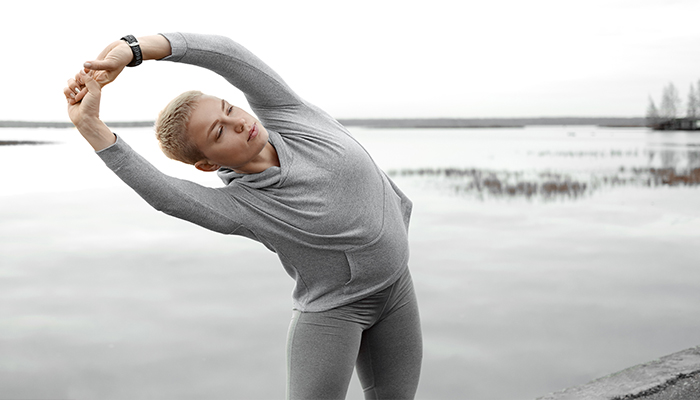
If you’re wondering how to stretch every day, start small. You don’t need to spend hours stretching. Even 5-10 minutes can be enough if done regularly. Begin with simple movements and gradually increase intensity—a method known as a progressive stretching plan.
Start with beginner's daily stretches, such as neck rolls, shoulder shrugs, and hamstring stretches. You can then move to more targeted stretches as your flexibility improves. Try to include stretches for all major muscle groups—this is what we call a full-body stretch guide.
A good time to stretch is in the morning. After a night of sleep, your body feels stiff and tight. A morning stretching routine can wake up your muscles, increase blood flow, and set a positive tone for the day.
Here’s a simple 5-minute morning routine:
- Neck Rolls – 30 seconds each direction.
- Shoulder Circles – 10 reps.
- Side Stretch – 30 seconds each side.
- Standing Forward Fold – 1 minute.
- Cat-Cow Pose – 1 minute.
This routine helps you activate your spine, loosen your joints, and improve your posture. It’s also a good way to improve alertness and mental clarity.
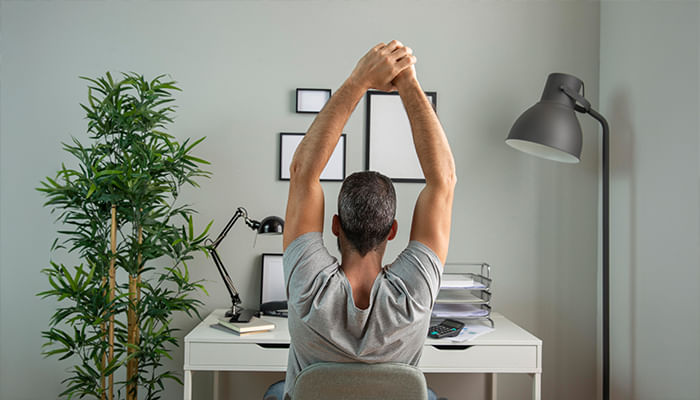
If you sit for long hours, especially at a desk, stretching in the middle of the day is important. Try this quick office desk stretching guide:
- Seated Spinal Twist – 30 seconds per side.
- Wrist and Finger Stretch – 1 minute.
- Seated Forward Bend – 1 minute.
- Shoulder Stretch (using a towel) – 30 seconds per arm.
- Neck Tilt – 30 seconds per side.
This midday session acts as a gentle reset for your body. It prevents back pain and tension headaches and boosts energy levels. If possible, stand up and walk for a few minutes before or after these stretches.

Before any physical activity, warming up your muscles is essential. A stretch warm-up routine should include dynamic movements that increase your heart rate and prepare muscles for work. Some examples:
- Arm Swings – 30 seconds.
- Leg Swings – 30 seconds per leg.
- Hip Circles – 1 minute.
- Torso Twists – 1 minute.
After exercise, a cool-down routine with static stretches helps muscles relax and recover:
- Hamstring Stretch – 1 minute.
- Calf Stretch – 1 minute.
- Child’s Pose – 1 minute.
- Quadriceps Stretch – 30 seconds per leg.
- Shoulder Stretch – 30 seconds per side.
These routines prevent soreness and help your body return to a resting state.
Incorporating flexibility takes time and consistency. A progressive stretching plan starts with basic movements and adds complexity gradually. You can set weekly goals—for example, touching your toes in week 1 and splits by week 8.
Begin with daily exercises like:
- Standing Toe Touch.
- Butterfly Stretch.
- Seated Forward Bend.
- Lying Knee-to-Chest Stretch.
- Hip Flexor Stretch.
Each week, try holding the stretches longer or adding deeper variations. Remember, consistency is key. You don’t need to force your body—just stay regular.
Stretching before bed is an excellent way to wind down. A bedtime stretch sequence helps release the tension built up during the day. It also signals your body that it’s time to rest.
Here’s a calming bedtime routine:
- Legs Up the Wall – 2 minutes.
- Supine Twist – 1 minute per side.
- Seated Forward Bend – 1 minute.
- Neck Rolls – 30 seconds each side.
- Deep Breathing in Child’s Pose – 2 minutes.
These poses activate the parasympathetic nervous system, which promotes relaxation and deeper sleep.
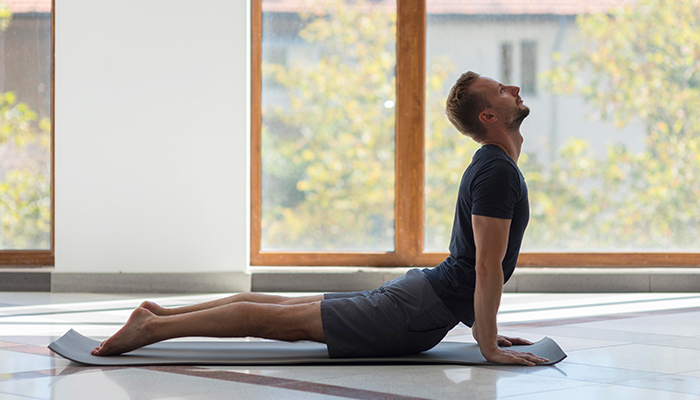
Adding daily flexibility exercises to your schedule can help you stay limber and mobile well into old age. Stretching improves balance, reduces the risk of falls, and keeps joints healthy. You don’t need a yoga mat or fancy equipment—just a few minutes each day.
Focus on:
- Hip Openers.
- Shoulder Mobility.
- Spine Rotations.
- Ankle Circles.
- Wrist Stretches.
These movements support daily tasks like walking, bending, lifting, and even typing.
For many people, work means hours of sitting in front of a screen. That’s why a dedicated office desk stretching guide can make a world of difference. These are discreet and easy-to-do stretches that target the neck, shoulders, wrists, and lower back.
Try:
- Chair Torso Twist.
- Shoulder Blade Squeeze.
- Wrist Rolls.
- Neck Drop and Roll.
- Seated Hamstring Stretch.
Do these stretches every couple of hours to keep your body active and prevent tension from building up.
If you’re new to stretching, it’s best to start slow. These beginner daily stretches are simple, gentle, and safe for almost everyone:
- Neck Tilts.
- Shoulder Shrugs.
- Side Bends.
- Standing Calf Stretch.
- Seated Toe Touch.
Perform each stretch for 20-30 seconds. Don’t worry if you’re not flexible—stretching is about progress, not perfection. Over time, your range of motion will improve.
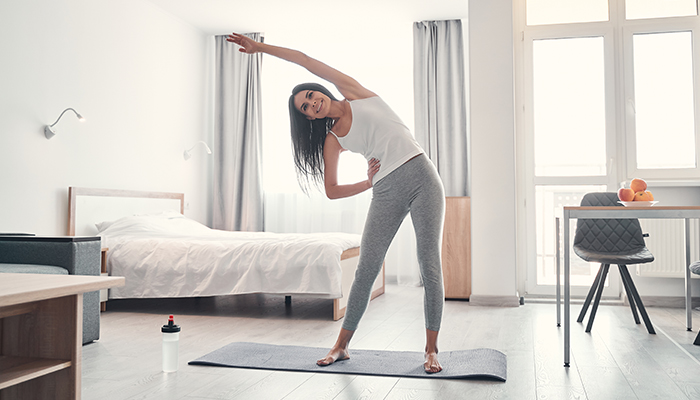
Like any habit, stretching becomes easier when you make it part of your daily routine. Choose a fixed time, like right after waking up or before bedtime. Keep it short and simple in the beginning. Ou can always build on it later.
Here are some tips:
- Set a reminder on your phone.
- Stretch with a friend or partner.
- Follow along with online videos.
- Track your progress in a journal.
- Celebrate milestones (like touching your toes!).
When stretching becomes a part of your day, you’ll notice better posture, improved mood, and less stiffness.
In conclusion, a regular stretching habit is simple yet highly rewarding. This guide to daily stretching has shown you how to start, build, and stick to a routine that suits your lifestyle. With time, your body will feel more open, strong, and pain-free. Start today, and feel the difference in every step, stretch, and breath you take.