When it comes to preparing for a workout, many people either jump straight into exercise or spend a few seconds doing light movements. But this can lead to injuries, muscle strain, or even poor performance. That’s where dynamic stretching comes in. Unlike static stretching, which involves holding a position for a long period, dynamic stretching involves movement. It wakes up the muscles and prepares the body for action.
In this blog, we will explore the dynamic stretching benefits, why it should be a part of your fitness routine, and how to include dynamic stretching before a workout for better results.
Dynamic stretching is a type of stretching that uses controlled movements to improve flexibility, range of motion, and muscle activation. Instead of staying still, you move through a full range of motion in a repeated and flowing manner. These dynamic warm-up exercises mimic the movements of your workout, helping the body get ready for activity.
Some examples of dynamic stretches include:
- Arm circles
- Leg swings
- High knees
- Walking lunges
- Hip circles
Each of these movements prepares different muscle groups and boosts blood flow, making the body more mobile and alert.
Before we dive deeper into the importance of dynamic stretching, let’s understand how it compares with static stretching.
Static stretching involves holding a stretch in one position for a long time, usually 15-20 seconds. It’s best used after workouts to cool down the body and improve long-term flexibility.
Dynamic stretching, on the other hand, is ideal before workouts. It increases body temperature, heart rate, and muscle readiness. This is why many fitness professionals prefer dynamic stretching before workout sessions.
Think of it like warming up your car engine before driving—it runs better and lasts longer.
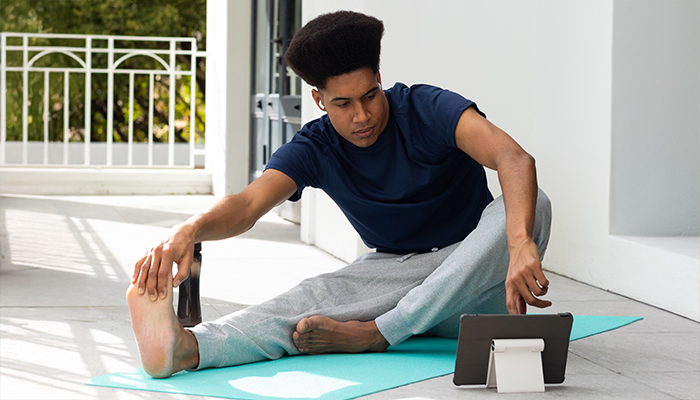
One of the benefits of dynamic stretching is that it helps activate the muscles. When you stretch dynamically, you move through motions that mirror your workout. This tells your brain and body, “Get ready—we're about to move!”
Here are some reasons why you should always include a dynamic stretching routine before working out.
By warming up the muscles and joints, dynamic stretching reduces the risk of injury. Muscles that are cold or stiff are more likely to tear or strain. But a good dynamic stretching routine loosens the muscles, increases flexibility, and prepares the joints for movements. This makes injury prevention through dynamic stretching one of the biggest advantages.
Dynamic stretching also improves how you perform during your workout. It gets your blood flowing, increases oxygen to your muscles, and helps you move better. Athletes, in particular, benefit from dynamic stretching and performance enhancement. A flexible, well-prepared body can move faster, lift better, and train harder.
Many people believe that flexibility only comes from static stretches, but that’s not entirely true. Regular dynamic stretching for flexibility can also increase your range of motion over time. This is because you’re moving through the joint’s full range during every repetition.
For example, doing leg swings before a run not only loosens the hips and hamstrings but also makes them more mobile. Over time, this can improve your overall flexibility, especially if you maintain a consistent dynamic stretching routine.
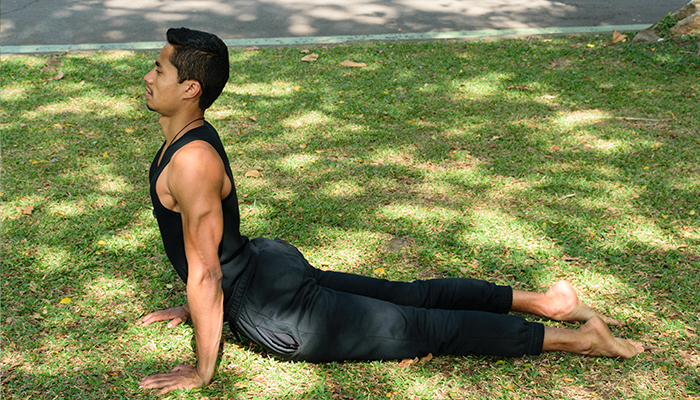
If you’re new to working out or stretching, dynamic stretching is an excellent place to start. It’s easy, low-impact, and suitable for all fitness levels. The best part? You don’t need any equipment.
Here are some dynamic stretching exercises perfect for beginners:
- Matching in place with arm swings
- Toe touches with alternate hands
- Gentle leg swings
- Side lunges
- Shoulder rolls
Start slow and focus on control. Even just five minutes of dynamic stretching for beginners can make a noticeable difference in your workouts.
Professional athletes and sports players always use pre-workout dynamic stretches before training or competing. That’s because their bodies need to be in top condition for quick movements, sharp turns, and heavy exertion.
For example, footballers use knee hugs and high knees, while sprinters may use butt kicks and A-skips. These exercises improve speed, agility, and power, making dynamic stretching for athletes an essential part of training.
A consistent dynamic stretching routine can improve athletic performance by:
- Enhancing muscular coordination.
- Increasing stride length and reactive time.
- Improving balance and posture.
- Reducing muscle stiffness.
Whether you’re hitting the gym, going for a run, or doing yoga, here are a few dynamic stretching techniques to try before your next session:
- Arm Circles – Rotate your arms forward and backwards in large, controlled circles to warm up your shoulders.
- Leg Swings – Swing one leg forward and back, then switch. Great for hip mobility.
- Hip Circles – Place your hands on your hips and make large circles to loosen the lower back and pelvis.
- Walking Lunges – Step forward into a lunge, then push up and step forward with the other leg.
- Torso Twists – Rotate your upper body side to side while keeping your feet planted.
- High Knees – Run in place while bringing your knees as high as possible.
These dynamic stretching exercises are simple yet powerful. Use them based on your activity type—more leg workout for running, more arm work for upper-body workouts.

Building a proper dynamic stretching routine doesn’t have to be complicated. Just follow these simple steps.
Customise your dynamic warm-up exercises to the type of training you plan to do. For example, focus on your legs if you’re running, or your upper body if you’re lifting weights.
Spend around 5–10 minutes doing 5–6 dynamic stretching exercises. This is enough to get your body ready without tiring you out.
Make sure your movements are smooth and controlled. Avoid rushing or using too much force.
Here’s a quick dynamic stretching routine for a full-body warm-up:
- Arm Circles – 30 seconds
- Leg Swings – 30 seconds each leg
- Walking Lunges – 10 reps
- Hip Circles – 20 seconds
- High Knees – 30 seconds
- Torso Twists – 30 seconds
Repeat this once or twice, depending on your energy levels.
While there are many dynamic stretching benefits, there are times when it may not be ideal. For instance, if you’re dealing with an injury or recovering from surgery, always consult a healthcare professional before performing dynamic stretching exercises.
Also, dynamic stretching is not meant for cooling down. After workouts, switch to static stretches to help muscles relax and recover.
Adding dynamic stretching before workout routines is one of the simplest ways to improve your fitness journey. From better performance to reduced injury risk, the benefits are clear. Whether you’re a seasoned athlete or just starting, dynamic stretching for beginners or advanced routines can help your body move better and feel stronger.
So, the next time you lace up your trainers, don’t skip the warm-up. Make dynamic stretching a regular part of your workout and see the difference for yourself.