Soda is a popular beverage choice for many people. Whether it’s the sweet taste, the bubbles, or just a refreshing drink, to enjoy with a meal, it’s hard to deny the appeal of a cold soda. However, the health implications of soda consumption — whether regular or diet — are concerning. While many opt for diet soda thinking it is a healthier choice, the truth is diet soda can still be harmful to your health.
In this blog, we will explore the reasons why diet soda is bad for you and its health risks.
One of the primary reasons people choose diet soda over regular soda is the belief that it helps in weight loss. After all, diet sodas are often marked as “calorie-free”, or “sugar-free”, making them seem like a better choice for those trying to lose weight or maintain a healthy weight. But does diet soda help with weight loss, or is it contributing to weight gain?
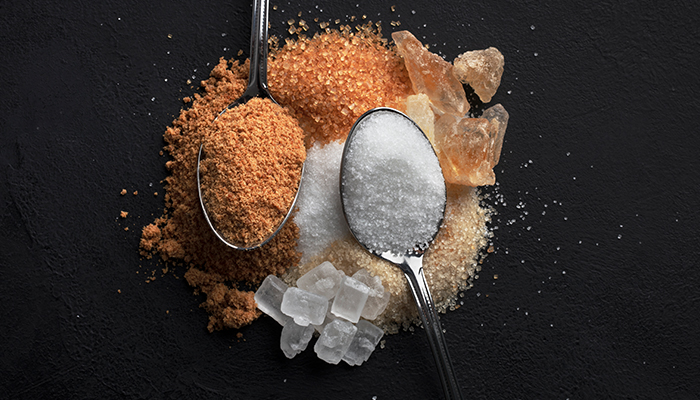
Diet soda replaces sugar with artificial sweeteners such as aspartame or stevia. These sweeteners may not contain calories, but studies suggest that they can have a negative effect on your metabolism and appetite. Research has shown that artificial sweeteners can increase your cravings for sweet foods, leading to overeating. This is because the sweet taste signals to your brain that sugar is on the way, but when no actual sugar comes in, the body becomes confused and craves more.
Additionally, some studies indicate that artificial sweeteners can lead to insulin resistance, which is a major factor in weight gain and metabolic issues. Insulin resistance means that your body’s ability to use insulin efficiently is impaired, causing higher blood sugar levels, and eventually leading to weight gain. So, while diet sodas may not have many calories, they can still contribute to the same weight gain as regular sodas in the long run.
While diet sodas are often seen as a “healthier” alternative to regular sodas, both diet and regular sodas can negatively affect your waistline. Regular sodas are packed with sugar, which contributes to weight gain, but diet sodas are not immune to the same risk factors. So, when it comes to weight management, both types of sodas can cause problems if consumed in excess.
Metabolic health refers to how well your body processes and converts food into energy. If your metabolism is not functioning properly, it can lead to various problems, including type 2 diabetes, heart disease, and obesity. Sadly, drinking diet soda can hurt your metabolic health.
Artificial sweeteners in diet soda can interfere with your body’s ability to metabolise sugar. Some research suggests that these sweeteners might alter the way your body responds to sugar even though they don’t contain any calories. For example, a study published in The American Journal of Clinical Nutrition found that consuming artificial sweeteners might lead to an increase in fat storage, particularly around the abdominal area, which is a major risk factor for metabolic diseases.
Additionally, regular soda consumption—whether diet or regular—can contribute to elevated levels of blood sugar and insulin resistance, which are both key contributors to metabolic issues. People who drink soda regularly, especially in large quantities, may experience insulin spikes, which over time can lead to type 2 diabetes and other serious conditions.
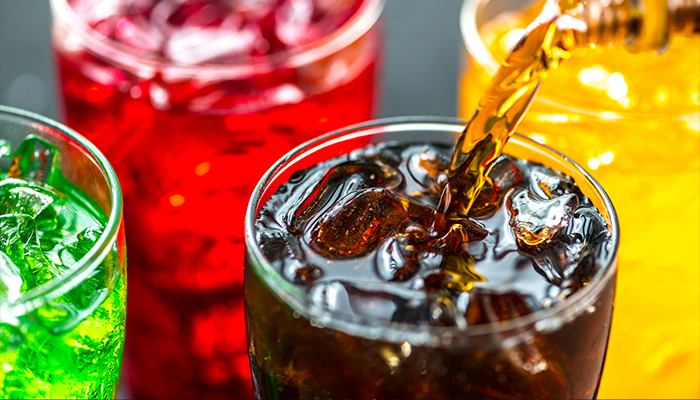
Over time, damage caused by diet soda consumption can be profound. Chronic consumption of diet soda can increase the risk of developing conditions like metabolic syndrome, which is a cluster of risk factors that includes high blood pressure, high blood sugar, and excess fat around the abdomen. All of these factors significantly increase the risk of heart disease, stroke, and diabetes.
Many people do not realise what they drink can significantly have an impact on their gut health. The gut microbiome is made up of trillions of bacteria that play a role in digestion, immunity, and even mental health. Disrupting the balance of these bacteria can have far-reaching consequences.
Research has shown that artificial sweeteners like aspartame, commonly found in diet sodas, can negatively affect the gut microbiome. A study published in Nature found that consuming artificial sweeteners can alter the composition of gut bacteria, leading to an increase in harmful bacteria. This disruption can cause issues such as bloating, gas, and even inflammation in the gut. Over time, these changes in the gut can contribute to more serious conditions, including digestive disorders and a weakened immune system.
On top of that, regular soda contains high levels of sugar, which also negatively affects gut health. Sugar is known to feed harmful bacteria, allowing them to thrive in the gut and crowd out beneficial bacteria. This imbalance can lead to gut dysbiosis, which is linked to a variety of digestive issues.
If you are drinking too much diet soda, you may start noticing some troubling symptoms, such as bloating, gas, or frequent stomach discomfort. These signs could indicate that your gut microbiome is being disrupted by artificial sweeteners. In some cases, it could also lead to more serious gastrointestinal problems, such as irritable bowel syndrome (IBS). So, if you find yourself experiencing digestive discomfort after drinking diet soda, it might be time to reconsider your beverage choices.
There’s growing evidence linking diet soda consumption to an increased risk of several chronic diseases. While diet soda doesn’t contain sugar or calories, it doesn’t mean it’s safe to consume in large quantities. Here are some of the health risks associated with drinking diet soda regularly:
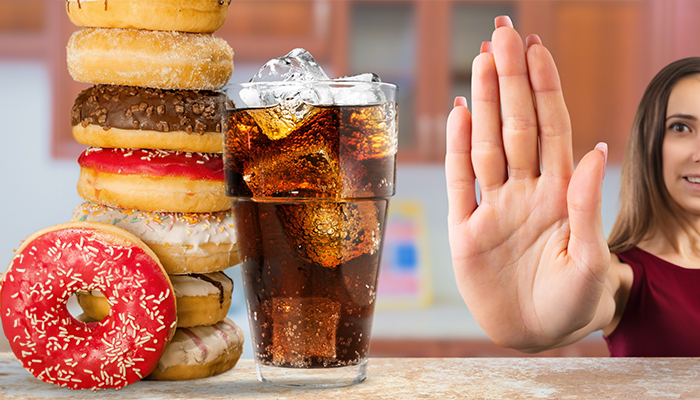
One of the most popular diet sodas on the market is Diet Coke. Unfortunately, the potential side effects of soda can be concerning. In addition to its impact on weight gain and metabolic health, diet sodas contain caffeine, which can contribute to issues like insomnia, anxiety, and increased heart rate if consumed in excess. Over time, consuming too much caffeine can also lead to dependency, causing withdrawal symptoms like headaches and irritability when you try to cut back.
Artificial sweeteners are a key ingredient in most diet sodas, and while they may seem like a better alternative to sugar, they come with their own set of health risks. Studies have shown that consuming large amounts of artificial sweeteners can increase the risk of conditions such as heart disease, stroke, and even cancer. For example, some research has suggested a link between aspartame (a common sweetener in diet sodas) and an increased risk of lymphoma and leukaemia.
If you’re trying to maintain a healthy lifestyle, regular consumption of diet soda can hinder your progress. While it may seem like a convenient and low-calorie choice, diet sodas don’t offer any nutritional value, and they can contribute to a range of health problems in the long run. For those focused on a healthy lifestyle, it’s important to consider the full impact of diet sodas on both your physical and mental health.

If you’re looking to replace soda with healthier alternatives, there are plenty of options available. Here are some great alternatives to soda:
- Sparkling Water: If you love the fizz of soda, sparkling water can be a refreshing substitute. You can add a splash of lemon or lime for extra flavour.
- Herbal Tea: Unsweetened iced herbal tea is a great alternative that provides hydration without added sugars or artificial sweeteners.
- Infused Water: Add fresh fruits or herbs like mint and cucumber to water for a refreshing, naturally flavored beverage.
- Coconut Water: A great source of electrolytes, coconut water is a healthier alternative to soda and can help keep you stay hydrated.
In conclusion, while diet sodas may seem like a better choice than regular sodas, they come with their own set of health risks. From weight gain and metabolic issues to disrupted gut health and long-term disease risks, diet sodas are far from harmless. If you're looking to maintain a healthy lifestyle, it's best to choose alternatives that provide hydration and nutrition without the added chemicals and artificial ingredients.