When you think about improving your strength, you might picture lifting dumbbells, pulling heavy barbells, or sweating it out in the gym. But in recent years, a new piece of equipment has taken centre stage in the fitness world, the weighted vest. From athletes to seniors, many are exploring weighted vest benefits for muscle growth, bone health, and overall endurance.
The big question is: are weighted vests effective enough to really boost bone density and muscle strength, or are they just another short-lived fitness trend? Let’s dig deeper and uncover the science, the myths, and the practical benefits of training with weighted vests.
- Weighted vests add resistance to everyday exercises, enhancing both muscle and bone strength.
- They can improve bone density, making them particularly useful for preventing conditions like osteoporosis.
- Muscle gain with weighted vests happens through progressive overload, just like traditional resistance training.
- Weighted vests are versatile and can be used in bodyweight workouts, walking, or strength training routines.
- Safety and proper usage are key; overloading too quickly can harm joints.
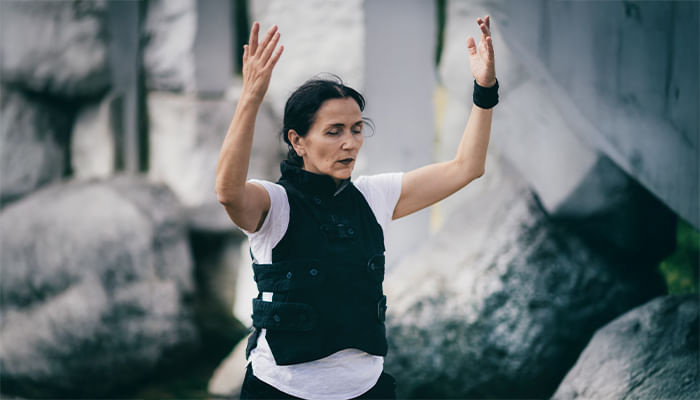
Weighted vests work on a simple principle: adding extra resistance to body movements. When you wear a vest while performing squats, lunges, push-ups, or even walking, your muscles and bones experience higher stress than they would under normal conditions.
This resistance triggers the body to adapt, just as it does with lifting weights. According to a 2013 study published in the Journal of Bone and Mineral Research, weight-bearing exercises can help improve bone density, particularly in older adults. Weighted vests make such exercises more effective without the need for heavy gym equipment.
The same principle applies to muscles. By carrying an extra load, your body has to recruit more muscle fibres to complete the movement. This accelerates muscle gain with weighted vests, especially when paired with a progressive training plan.
Bones respond to stress in the same way muscles do. Every time your skeleton bears weight, tiny micro-stresses signal the body to strengthen bone tissue. That’s why weight-bearing exercises for bones, like running, hiking, or squatting, are often recommended.
When you add a weighted vest for bones into this mix, the load on the skeletal system increases. For people at risk of osteoporosis, especially postmenopausal women, this can make a real difference. A study in Osteoporosis International found that older women using weighted vests during workouts had improved bone density compared to those who exercised without added load.
In short, weighted vests can act as a preventative tool against bone loss, making them more than just a fitness trend.
Building muscle requires progressive overload, gradually increasing the resistance so muscles adapt and grow. Traditionally, this comes from lifting heavier weights in the gym. But strength training with a weighted vest can provide the same effect.
For example, doing push-ups with a 10kg vest feels like a completely different workout compared to bodyweight push-ups. Similarly, pull-ups, dips, and squats with added resistance increase intensity, leading to better muscle gain with a weighted vest.
This makes vests a great option for those who want to enhance bodyweight workouts with a vest or for people who prefer training at home without bulky equipment.
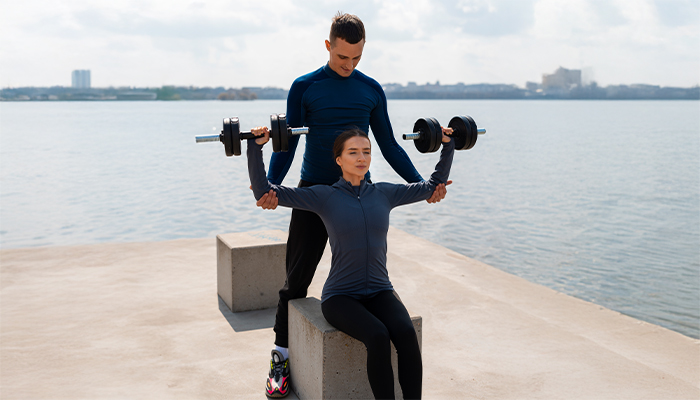
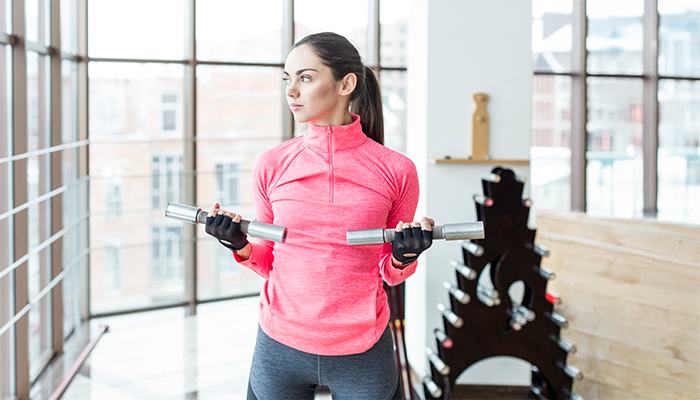
You might wonder, why not just use dumbbells instead of a vest? Both add resistance, but in different ways. Weighted vest vs dumbbells comes down to how the load is distributed.
- Dumbbells: Target specific muscles, require grip strength, and allow isolation exercises.
- Weighted vests: Distribute weight evenly across the torso, making them excellent for compound and functional movements.
If your goal is bone-strengthening exercises and functional strength, a vest feels more natural, as it doesn’t restrict hand movement. On the other hand, dumbbells are still irreplaceable for isolating muscles.
The beauty of weighted vests lies in their versatility. You don’t need to reserve them only for gym workouts. Wearing one during a brisk walk, climbing stairs, or doing household chores can subtly add resistance, contributing to long-term strength improvements.
For people who dislike traditional gyms, a weight vest for exercise makes everyday movement more challenging and rewarding. Even simple jogging with a vest helps improve cardiovascular endurance while building muscle and bone strength simultaneously.
This dual benefit is one reason why the weighted vest fitness trend is gaining popularity across age groups.
A common concern is whether vests harm joints. While it’s true that excessive weight can strain knees, hips, and ankles, moderate use is generally safe. In fact, when combined with bone-strengthening exercises, they may help joints by strengthening surrounding muscles and bones.
- The key lies in weighted vest safety:
- Start with a light vest (5–10% of your body weight).
- Increase the load gradually to allow your body to adapt.
- Avoid wearing the vest for extended hours, especially when joints are fatigued.
When used correctly, vests can be joint-friendly, especially compared to high-impact activities.
Like most fitness tools, vests come with myths. Let’s break them down:
Myth 1: Weighted vests are unsafe for everyone.
Fact: They are safe when used with proper weight progression.
Myth 2: Only athletes benefit from them.
Fact: Seniors and beginners can also gain from improved bone density and strength.
Myth 3: Wearing a heavy vest burns fat faster.
Fact: While calorie burn increases slightly, fat loss depends more on diet and overall activity.
By clearing these misconceptions, we can see how practical and adaptable weighted vests truly are.
If you’re planning to try one, here are a few steps to get started:
- Choose the right weight: Begin with 5–10% of your body weight.
- Start simple: Use it during walks, lunges, or push-ups.
- Focus on posture: Keep your spine neutral and avoid leaning forward.
- Progress slowly: Increase load as you get stronger. This is progressive overload with a vest.
- Listen to your body: If joints ache, reduce the weight or frequency.
This approach helps you unlock weighted vest benefits without risking injuries.
When I first tried a weighted vest, I was sceptical. I slipped on an 8kg vest during my regular push-up routine, expecting it to feel only slightly harder. To my surprise, my muscles gave out almost twice as fast. Over weeks, I added it to squats, pull-ups, and even short jogs.
The results? Noticeable muscle gain with a weighted vest and improved endurance. More importantly, I felt stronger during daily tasks, like carrying groceries or climbing stairs. A friend of mine, who had concerns about osteoporosis, also started using a lighter vest during her walks. She reported feeling more stable and confident after just a few months.
That personal touch shows why this weighted vest fitness trend is catching on. It’s not just for bodybuilders; it’s for anyone wanting to age stronger and healthier.
So, are weighted vests effective for improving bone and muscle strength? The answer is a resounding yes when used correctly. They are a powerful tool for applying progressive overload, improving bone density with a weighted vest, and supporting muscle growth through resistance training.
Whether you’re an athlete chasing performance or someone concerned about osteoporosis and weight training, a vest can make your workouts more impactful.
If you’re looking for variety in your workouts or searching for a gym near you that offers innovative ways to train, platforms like FITPASS make it easy to explore multiple fitness options, from weighted vest training to yoga, strength training, and more.