Gone are the days when we used to spend hours and hours outside playing with friends, riding bicycles, and handling tasks independently.
In the age of "Binge-Watching & Chill," where nearly everything can be accessed with a single click, people are becoming more and more sedentary.
The so-called "Modern Lifestyle," characterised by extended periods of sitting or relaxing in front of screens, has caused a significant decline in physical activity.
Despite its advantages, the ease of access to digital entertainment and internet services has led to a widespread decline in physical activity.
And if you think this is the new normal, think again.
This shift, though seemingly innocuous, poses serious health risks, including obesity, cardiovascular diseases, and mental health issues.
In short, in this digitally driven age, being physically active is more important than ever before.
Recent studies have confirmed this.
In a world where physical fitness plays a crucial role in overall health and well-being, recent studies have highlighted a concerning trend in India. According to a comprehensive report published by The Lancet Global Health, alarming statistics about the fitness levels of Indian adults have emerged.
The Study's Findings:
- 1 in 2 Indian adults are unfit and inactive.
- Globally, the percentage of unfit adults is 31%, whereas in India, it stands at a staggering 49.4%.
- Predictions indicate that physical inactivity levels could potentially rise to 59.9% by 2030 if current trends persist.
These findings not only underscore the immediate health risks but also emphasise the urgent need for concerted efforts to promote active lifestyles and combat the growing epidemic of physical inactivity.
But how does physical inactivity influence your health?
Scroll down to find out:

Physical inactivity poses significant health risks that extend beyond mere fitness levels. Research consistently links it with increased susceptibility to chronic health diseases such as type 2 diabetes, heart attack, and mental issues like depression & anxiety, further exacerbating the public health burden.
Moreover, the repercussions extend beyond healthcare costs to economic and social consequences. A sedentary lifestyle can reduce productivity and work efficiency, impacting both individual livelihoods and national economies. Additionally, it diminishes the quality of life and overall well-being among affected populations.
So, it's clear that physical inactivity is a significant root cause of several health problems.
But what contributes to these higher levels of physical inactivity?

While technology has made our lives easier, it has also reduced the need for physical movement in daily life, with many jobs and entertainment options involving prolonged sitting.
The prevalence of "Binge-Watching and chill" has replaced outdoor activities, further promoting physical inactivity.
Busy schedules and lack of access to fitness facilities due to work commitments or travel can make it challenging to maintain regular physical activity.
No matter the cause contributing to the rising trend of physical inactivity, addressing this global concern on time is the need of the hour.
But how?
Addressing this global concern requires a multifaceted approach involving individuals and communities. Here are some potential solutions:
One of the easiest and most effective ways to address the issue is to encourage people to incorporate some movement into their daily routines.
"Sitting is the new smoking", so instead of being a couch potato, it is essential for everyone to get up and move whenever possible.
As mentioned above, making exercise accessible is essential to help more people stay active. By accessibility, we mean eliminating all the barriers that hinder physical activity.

In conclusion, prioritising physical activity is crucial in navigating modern living. According to the World Health Organization (WHO), incorporating physical activity can significantly reduce the risk of diabetes by 17%, heart disease and stroke by 19%, and depression and dementia by 28-32%, along with lowering the risk of several forms of cancer by 8-28%.
And no, this is not it.
The study also suggests that adopting an active lifestyle could prevent 4-5 million deaths annually.
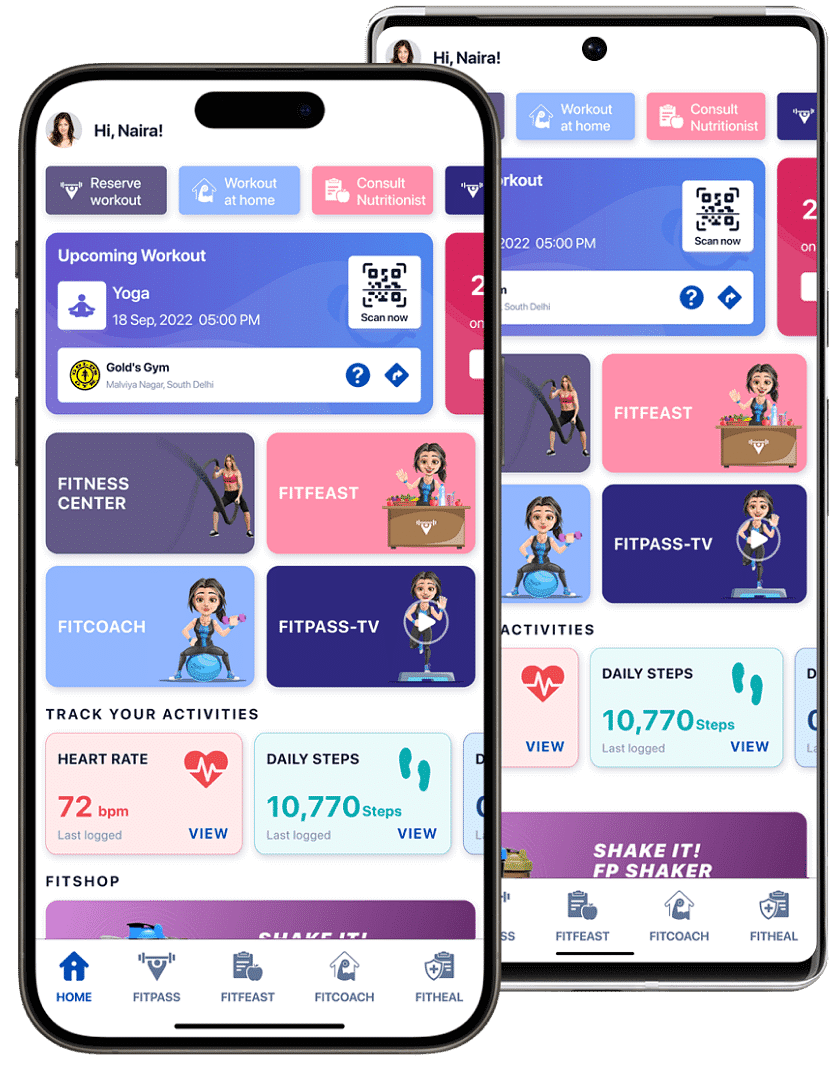
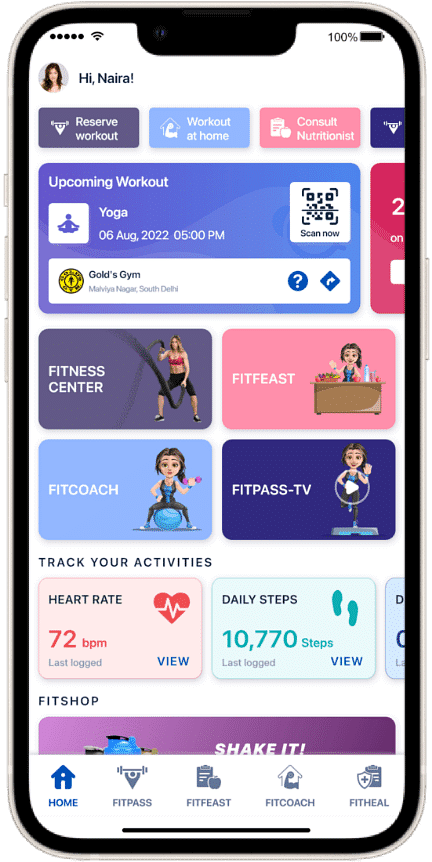
At FITPASS, we aim to beat inactivity by encouraging people to be active. We offer access to over 7,500 premium gyms and fitness centres across the country so that you can work out anytime, anywhere. Whether you prefer yoga, strength training, Zumba, or high-intensity workouts, FITPASS provides the variety and convenience needed to stay motivated and active.
Break free from sedentary habits and embrace a healthier, more active lifestyle.