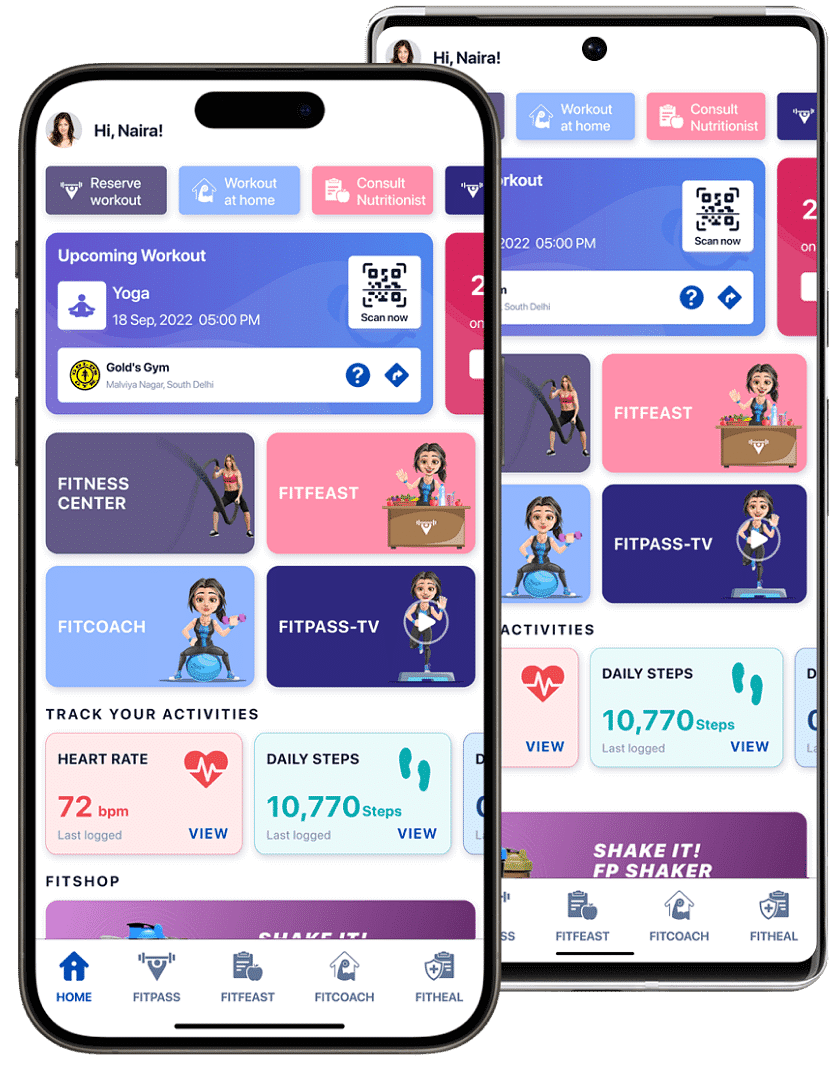
Diwali, Christmas, or a dear one's birthday? Holidays are enough reasons for people to start comfort eating. Dietitians say that overeating happens when people trade their willpower for a second helping and a third. However, if you truly think about it, the core of emotional eating stems from using food as a coping mechanism. This blog offers a dietitian's scoop on smarter ways to manage it.
Dietitians’ Scoop on Emotional Eating
“Emotional eating ko manage karne ke liye guilt nahi, apne triggers samajhna zaroori hai. Dekho, stressful meeting ke baad mithai chahiye ya boredom mein chips—food kabhi comfort bhi deta hai. Iska matlab yeh nahi ki aap mein discipline nahi hai. Pehle pause karke poochho: ‘Bhookh lagi hai, stress hai, ya dono?’ Agar bhookh hai, eat a satisfying meal. Meals skip karke compensate mat karo. Strict restrictions on cravings and badha sakti hain. Apne mood aur eating patterns notice karo. Stress ke liye walk, music ya dost se baat karna bhi try karo. Favourite foods ban karna solution nahi hai. Aur agar eating baar-baar out of control lage, dietitian aur mental health professional ki help lena bilkul sahi step hai.
—Lead Dietitian at FITPASS
Eating as a Coping Mechanism
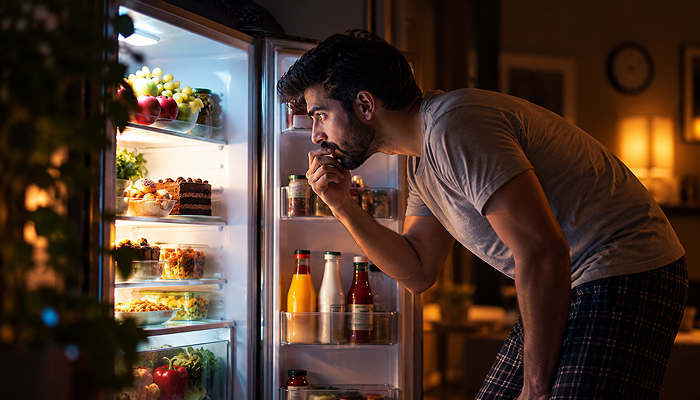
Breakup? Ice-Cream
“You know, when you start getting screwed over all the time, you gotta switch to low-fat."
—Monica Geller (Friends Season 3, Episode 4)
Diving into tubs of ice cream after a breakup or while pushing through a romance slump is common among adults. As healing as it may seem, the ice cream fix melts away. It’s momentary. The FRIENDS episode “The One with the Metaphorical Tunnel” is famous for Monica joking about switching to low-calorie, dairy-free soy milk ice cream. This is one of the best TV representations of how an emotional eating session begins.
Cortisol-led Eating After Exams
Stress eating is one of the biggest emotional eating factors. Going for the bag of potato chips while watching television after a stressful day? Nothing too strange about it. Chocolates and coffee come in handy while preparing for a big exam. This is called cortisol-led eating. The additional food intake in response to sadness and worry (i.e., emotions) is well reflected in psychology.
Self-Soothing Behaviours
Consuming hyper-palatable foods is comforting for many adults. The thing is that these foods are usually high in sugar, fat, and calories. Eating as a coping mechanism is done to:
- seek comfort through food
- regulate emotions
- cope with stress
- seek psychological soothing
Emotional Eating
Simply put, emotional eating is a response to stress, boredom, sadness, or celebration rather than hunger. A dear friend's birthday doesn't sound like a bad thing. However, the drinking and food derail months of consistency. This disrupts fitness progress even when workout frequency is high. FITFEAST consultations show that India is genuinely treating food as part of fitness. There have been 68% logged meals and 82% who consulted nutritionists, according to FITFEAST.
How to Spot Emotional Eating
Check out these cues that indicate emotional eating for most people.
- Sudden cravings for comfort foods.
- Eating quickly without fullness cues.
- Guilt or stress after eating.
- Hunger that appears with an emotion.
- Binge eating and late night snacks.
How to Manage Emotional Eating During the Holidays
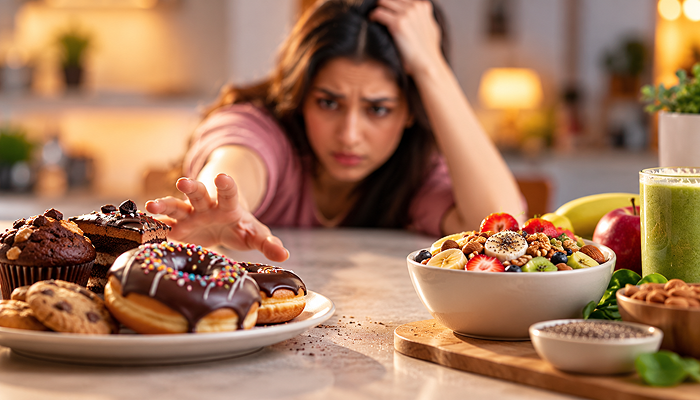
An NCBI Indian study involving 607 participants reported emotional eating in 42.2% of its sample. Holidays bring celebrations, favourite foods and sometimes extra stress. Family pressure, loneliness and busy schedules can trigger emotional eating. This means eating to soothe feelings, rather than only to satisfy physical hunger. Enjoying festive food is not automatically comfort eating!
The difference lies in what is driving you to eat.
This is a study-specific finding, not a national estimate. Dietitians often recommend the following to manage emotional eating.
- Understand comfort eating and its effects. Comfort eating can offer temporary relief from stress or sadness. But the feeling may pass without resolving the problem. Repeated overeating can increase calorie intake and contribute to weight gain over time. Guilt can also restart the cycle. This psychological effect of eating deserves attention, not judgment.
- Enjoy festive favourites without guilt. Choose the mithai or snacks you genuinely enjoy. Serve a portion, sit down and savour it. Eat slowly. Check how comfortably full you feel before taking more. Check out 101 on Diwali Biohacks.
- Pause and check your needs. Ask yourself, “Am I hungry, upset, tired, or feeling a mix?” Physical hunger and emotional needs can overlap. If you are hungry, eat. If you need comfort too, consider what else could help.
- Keep regular mealtimes. Do not skip lunch to “save calories” for a festive dinner. Stick to balanced meals and planned snacks. Have curd, fruit or a handful of nuts before a gathering if you feel hungry.
- Build healthy ways to find comfort. Using food as a coping mechanism is understandable. But it helps to have other options too. Call a friend, take a walk or try slow breathing. These can support you when holiday emotions feel overwhelming.
- Protect your rest and boundaries. Keep time for sleep and gentle activity. Take breaks from demanding gatherings. A polite “No, thank you” is enough when someone pushes another serving.
- Get support when needed. Seek help if eating repeatedly feels out of control or causes distress. A dietitian and mental health professional can help you understand triggers and build healthier coping skills.
Fail-proof Diet with FITFEAST
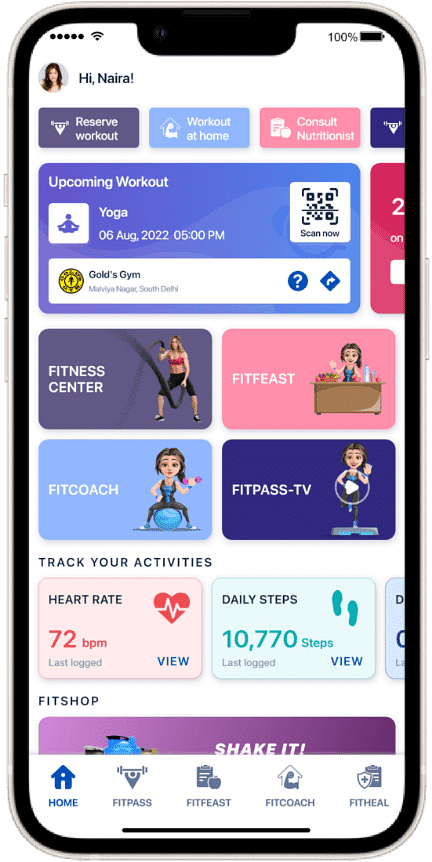
FITFEAST is the nutrition-support layer for 1 million+ individuals. You can schedule 1-on-1 calls with your dietitian whenever you need to adjust your strategy or review your progress. It allows for personalised diet guidance, meal logging, and expert consultations. What makes it “fail-proof” is the practical daily life use and smart access to flexible eating, not restrictive dieting.
Recommended: Dietitian’s POV on Crash Diets and How TDEE Calculators Help
India Becomes Thoda Fit, Thoda Rich
India is no longer chasing fitness as a short-lived New Year resolution. With FITPASS, people are building routines they can sustain, working out consistently, and eating with intention. FITPASS members have access to diverse workouts and expert nutrition support through FITFEAST.
Are you ready to understand what their bodies truly need?
Cheers to managing comfort eating this season with FITFEAST.