Loading...
loading...

Yes, when eaten in moderation. Choose natural or organic versions without added sugars or hydrogenated oils.
Absolutely. Its high protein and healthy fat content make it great for recovery and muscle growth.
Keep it in a cool, dry place. Refrigerate after opening for better shelf life, especially for natural and organic types.
Yes, in moderation. Its low glycaemic index helps control blood sugar levels. Just avoid versions with added sugar.

Table of Contents
Peanut butter has become a popular kitchen staple around the world. Whether you love it on toast, in smoothies, or baked into desserts, this nutty spread is a favourite for many. But have you ever wondered what makes it so good for you, how it is made, or how to choose the right one?
This blog will answer all the questions about peanut butter nutrition, benefits, types, and more.
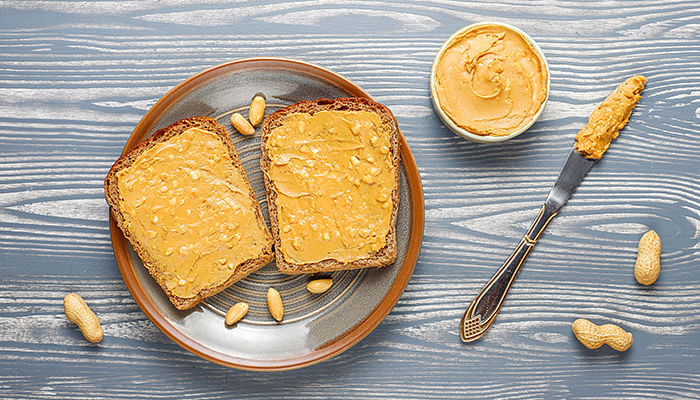
Peanut butter is a spread made from ground, dry-roasted peanuts. It has a thick, creamy, or crunchy texture and is packed with flavour. While some brands add sugar, oil, and salt, natural peanut butter usually contains just peanuts and perhaps a pinch of salt. It’s known for being both delicious and nutritious.
The process begins with roasting peanuts to bring out the nutty flavour. After roasting, the skins are removed, and the peanuts are ground until they form a thick paste. For creamy peanut butter, the mixture is ground longer to make it smoother. For crunchy peanut butter, chopped peanuts are added after grinding to keep the texture chunky. Some versions are processed further with added oils or sugar, but organic peanut butter avoids these extras.

Peanut butter is rich in protein, healthy fats, fibre, and essential vitamins and minerals. Just two tablespoons of peanut butter typically offer:
Because of its high peanut butter protein content, it’s great for muscle building and repair, especially for people with active lifestyles.
Let’s take a look at some of the key benefits of peanut butter:

Natural peanut butter typically has just two ingredients: peanuts and salt. It doesn’t contain hydrogenated oils or added sugars. Organic peanut butter goes a step further by using peanuts grown without synthetic pesticides or fertilisers. Both are better choices than highly processed versions, especially if you’re watching your health.
Choosing between creamy peanut butter and crunchy peanut butter comes down to personal preference. Creamy spreads smoothly and works well in sauces or dressings. Crunchy adds texture and is ideal for sandwiches or baking. Nutritionally, both offer similar values, so the decision is entirely based on taste and texture.
Peanut butter can help with both weight gain and weight loss, depending on how you use it. If you're aiming to gain weight, adding peanut butter to smoothies, toast, or snacks can increase your calorie intake healthily. If you're trying to lose weight, a small portion can keep you full for longer, helping you control cravings. The key is moderation.
Both peanut butter and almond butter are healthy, but there are slight differences. Almond butter has slightly more vitamins, like vitamin E and magnesium, while peanut butter tends to be more affordable and has higher protein content. If you're allergic to peanuts, almond butter is a good alternative. But in terms of taste and texture, it's all about your preference.

Peanut allergies are common, especially in children. Reactions can range from mild itching to severe anaphylaxis. If you or someone in your family has a peanut allergy, avoid all products containing peanuts and always check labels. There are many peanut butter alternatives available, such as almond or sunflower seed butter.
Many brands now offer low-sugar peanut butter, which is perfect if you're watching your sugar intake. These options typically contain no added sugar and are sweetened naturally or not at all. Always check the ingredient list to ensure there are no hidden additives.
To keep peanut butter fresh, store it in a cool, dark place. Natural peanut butter should be stirred well before use, as oil separation is normal. Once opened, it’s best to refrigerate it, especially organic versions, to maintain freshness and prevent oil from going rancid.

Making peanut butter at home is easy and allows you to control the ingredients.
Here’s a simple recipe:
Ingredients:
Method:
This homemade peanut butter is healthy, fresh, and free from preservatives.
There are endless peanut butter recipes to explore. From breakfast to dinner, and even desserts, here are some ideas:
If you have a sweet tooth, try these peanut butter dessert ideas:
These treats are rich, satisfying, and a fun way to enjoy the spread.
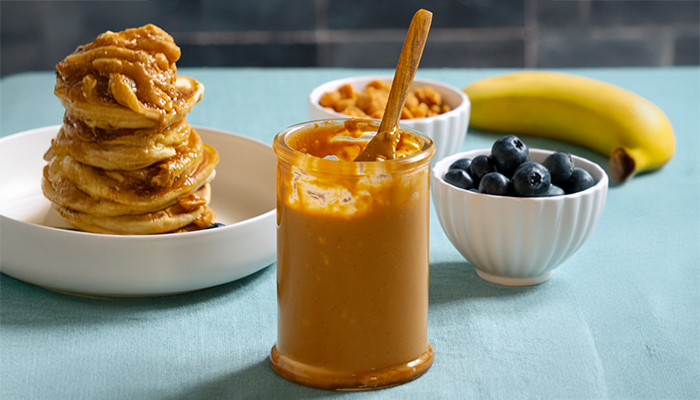
Here are some clever peanut butter cooking hacks:
Peanut butter can do more than just sit on toast!
Peanut butter is a versatile, nutritious, and tasty food that fits into many diets. From its protein content to its heart-healthy fats, there are countless reasons to include it in your meals. Whether you go for crunchy or creamy, organic or natural, make sure to enjoy it in moderation and always read labels to get the best version for your needs.
Peanut butter is more than just a spread – it's a nutritional powerhouse you can use in countless ways. Enjoy it wisely!