Everyone knows about intermittent fasting for weight loss and hunger strike starvation cases. But not many know about the refeeding diet to be taken post these severe fasts. This 10-minute read shares how the refeeding syndrome can be fatal for people who do not eat for a long duration. We shine a light on the importance of a slow refeeding diet, a safe recovery protocol, the case of Sonam Wangchuk's hunger strike, and India’s longest-ever hunger strike that lasted 16 years!
What is Intermittent Fasting
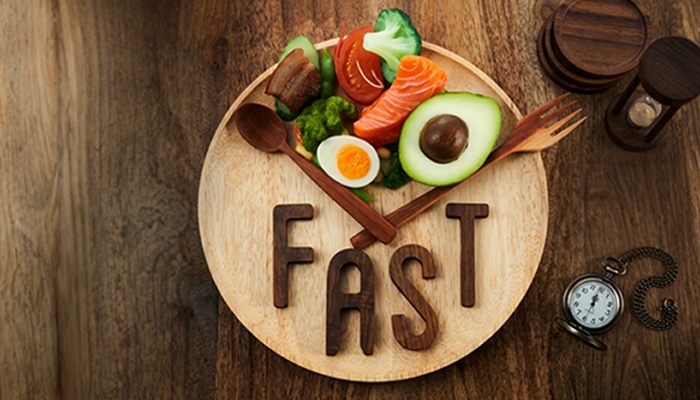
Intermittent fasting is a powerful eating pattern that switches between periods of fasting and eating a specialised diet centred around the weight management goal. Intermittent fasting timing, when you consume your meal, is the most important thing in this diet. Unlike a traditional diet, it does not restrict what types of food you eat. Intermittent fasting means you can eat a good diet, but it has to be in a 6-hour window or as recommended by a dietitian.
People Share Their Experiences of Intermittent Fasting
Dietitians recommended different types of intermittent fasting methods to people based on their unique diet goals. Four people share their intermittent fasting experiences with their personal dietitian at FITPASS.
Personal dietitians may recommend a 24-hour beginner-friendly intermittent fasting method with ideal meal planning before and after. They tell you the intermittent fasting timings, like once per week or more. Additionally, they also recommend relaxed eating windows based on your weight management goals.
- Arti followed the 16:8 intermittent fasting method for 3 months
“I put on some weight in the past year. And my brother's wedding was due in 3 months. I wanted to feel energetic, not just look good. My dietitian recommended the 16:8 intermittent fasting method, with the exclusion of coconut water for me. I am a teacher, so it really helped me with all the classroom walking. I achieved 6.4 kg fat loss in three months. For the first time, it did not feel like I was following a restrictive diet and going through days of starvation that left me crushed just to look great in the wedding pictures." —Arti.
- Bhavesh gains 1.2 kgs muscle mass in one month
“My experience with the 5:2 intermittent fasting diet plan was tough yet exciting. I have been going to the gym for over 2 years. I had my ups and downs in fitness. I’d say I am more familiar with the downs, hahaha. I wanted to work on my gains, so when my dietitian recommended an intermittent fasting high-protein diet, I was not sure. I'd heard it was meant for weight loss. Turns out, it helped me lose fat and gain 1.2 kg of muscle mass, paired with my workout schedule. This is the best gain I have ever achieved in such a short period of time. Ronita, you are a gem for curating this plan for me. Highly recommended.” —Bhavesh
- New mom prepares for strength training, loses 4 kg in a month
“It is so easy to slip out of workouts when you are a new mom. When my dietitian asked if I was comfortable with fasting for weight loss, I immediately said yes. I had experimented with different diets and workout routines prior to this, but nothing has worked for me ever since I had my little one. This year, my goal was to get back in shape. A 24-hour intermittent fasting diet plan was recommended by my dietitian, which helped me so much. I know I could not have achieved these results with strength training alone.” —Rashmika
|
Note: If intermittent fasting makes you feel dizzy or you notice irregular changes in your health, please consult with a certified dietitian before following any extreme diet or fasting. With FITFEAST, a guided approach to diet and nutrition helps to avoid harmful metabolic shocks and keeps you safely in fat-burning mode.
|
What is Refeeding Syndrome

Refeeding syndrome is a critical medical condition that happens when a person in starvation mode starts to eat food, and the nutrition is too sudden for the body. Even a light meal gives a massive insulin spike and electrolyte imbalance to the body. Refeeding syndrome can trigger the following reactions in a person going through prolonged starvation.
- Metabolic Shock: During starvation, the body burns fat and muscle for energy, drastically lowering internal electrolyte reserves (potassium, magnesium, and phosphorus).
- The Insulin Surge: Eating food, especially carbohydrates, releases a sudden insulin surge in the body. This is a sudden big spike for a body that was in a state of starvation. It can even be fatal during refeeding syndrome.
- Electrolyte Crash: The insulin surge forces remaining blood minerals to rush rapidly back into the cells. This causes an extreme drop in blood electrolyte levels.
The real issue of refeeding syndrome is the consequence of these reactions.
This sudden crash can cause many severe complications. Refeeding syndrome leads to irregular heartbeats, heart failure, seizures, fluid overload, and even sudden death.
The Case of Sonam Wangchuk and Hunger Strikes
Recently, the climate activist Sonam Wangchuk led his prolonged multi-week hunger strike at Delhi’s Jantar Mantar. Medical experts highlighted refeeding syndrome as a critical, life-threatening danger for Wangchuk. He was routinely offered medical monitoring. Refeeding syndrome occurs when food is reintroduced too quickly after a long starvation phase. This triggers a dangerous fluid imbalance and electrolyte imbalance as the body suddenly shifts back to processing nutrients. That is why he could not be given a big meal after the strike ended.
Sonam Wangchuk Health Update?
Well, Sonam Wangchuk was discharged from the Safdarjung Hospital in Delhi. He had to be kept under observation in the ICU. Wangchuk showed stable vital signs, and he was successfully out of the risk of refeeding syndrome before he was discharged. He has now returned to his village in Ladakh after getting medical attention. If this was too much, another major case of India’s longest-ever hunger strike is discussed further in the blog for perspective.
But first, let’s see how starvation affects the fluid reserves of the body.
How Starvation Affects Fluid Imbalance
A typical intermittent fast is 12-24-48 hours.
It shows normal fluid balance and electrolyte balance in most healthy people.
But what happens when it is stretched for a longer duration? It is known that starvation causes the body's functions to slow down, as food is the fuel the body needs for regular processing. But have you ever thought about how prolonged starvation affects the body? Let’s discuss the most recent case of climate activist and educator Sonam Wangchuck.
The activist began his hunger strike on 28th June 2026, which lasted 26 days. This kind of starvation is extreme, and it adversely affects the body. The best dietitians have come out and advised against it for people aiming for weight loss goals this year. Let’s take a look at how this affects the body.
Phase 1: Water Loss
This is also known as hypohydration. This is stage one, where the body loses essential minerals via urine. This causes low blood volume.
Phase 2: Edema
Entering phase two causes swelling. The low protein in the blood makes it difficult to hold water in the vessels without it. The water leaks out of the blood and causes swelling in the arms and legs of the person in starvation mode.
Phase 3: Electrolyte Shift
This is when mineral depletion happens in the body. It causes cell damage as the body fails to pump blood to the cells that need it.
Intermittent fasting does not mean complete starvation.
Hence, the body does not shut down. But most people think it should be okay to take a good, nutritious meal after intermittent fasting. But in reality, that is one of the biggest reasons that causes metabolic shock to the body. Metabolic shocks are not to be taken lightly, as they can also prove to be fatal in many cases. Dietitians recommend a controlled refeeding diet to help people get back on a healthy diet.
The next section is covered by the best dietitians on FITPASS.
|
FITFEAST is the best way to get personalised meal plans for your fitness goals and health. Besides, you get to consult with a certified human dietitian, track your meals, and make the most out of your plan. Your diet is one of the most important things that define your long-term health. Willing to give your diet your all? Get the FITPASS 360 plan to make the most of your diet plan for fitness and health.
|
India’s Longest Intermittent Fast by Irom Chanu Sharmila
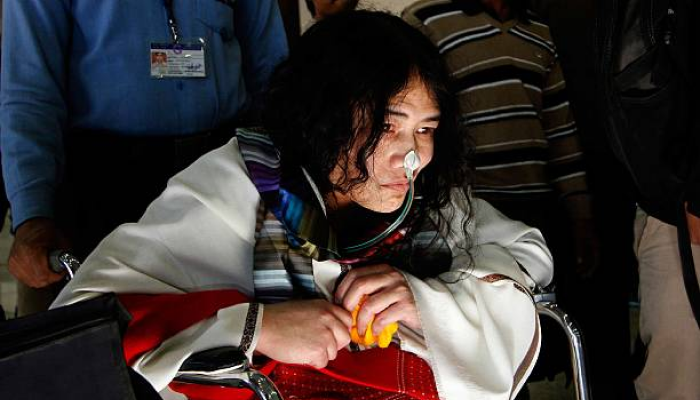
Irom Sharmila, a young woman from Manipur, decided to buy two packets of her favourite pastry and then go on the longest hunger strike in India’s history. After the Malom Massacre in Manipur, which killed 10 civilians, Irom decided that the Armed Forces (Special Powers) Act should be abolished. She started a hunger strike in November 2000. What she did not know was that her fight would take 16 years of food sacrifice. This case can be better categorised as a 16-year-long intermittent fast rather than a complete hunger strike.
You see, attempted suicide in India was a crime back then under Section 309 of the Indian Penal Code (IPC), 1860. So Irom was routinely arrested, force-fed, and released by the local police, as the strike also meant her imminent death. Given the unique nature of Irom Chanu Sharmila’s extreme hunger strike, she maintained it without eating any solid meals orally till August 2016, when her demands were met.
Some things to take away from this severe case of hunger strike:
- Malnourishment: Irom Sharmila was severely malnourished. Her bones and teeth had lost calcium. Besides this, her health was fragile.
- Nasal Feeding: The authorities and medics kept her alive for over 500 weeks in judicial custody by forcibly feeding her via a nasal tube inserted into her stomach.
- The Nasal Feed: A thin soup of boiled rice and lentils was fed to her through the nasal tube at least once a day to keep her alive during the time she was arrested.
- The Dab of Honey: Iron Sharmila broke her 16-year hunger strike with a drop of honey, as consuming solid food would have been fatal for her body. This is known as refeeding syndrome, and it also affects people who practise intermittent fasting.
- The Refeeding: Refeeding syndrome is a fatal metabolic disturbance that occurs when food is introduced too quickly after prolonged starvation. It happens as the body becomes unable to process the sudden intake of food.
A year after her strike, the Mental Healthcare Act 2017 decriminalised attempted suicide. It was omitted from the penal framework in the new Bharatiya Nyaya Sanhita (BNS). The law presumes that the individual under severe pressure and stress requires care rather than prosecution.
|
Breathing techniques like box breathing, diaphragmatic breathing, and anulom vilom are immediate physiological levers for people with GAD (generalised anxiety disorder). These activities help in the following ways.
- downregulates the sympathetic nervous system (fight-or-flight)
- activates the parasympathetic nervous system (rest-and-digest)
- stimulates the vagus nerve and increases Heart Rate Variability (HRV)
Mind-body workout activities like yoga classes, Pilates, and meditation studios are known to help improve breathwork. Prioritise your health and well-being with FITPASS.
|
The Recovery Phase After Starvation
The recovery phase is ideally 4-7 days on a refeeding diet after starvation.
It is not supposed to be taken casually. Some of the best dietitians say that this is the time when people have to be very cautious about what they are putting in their bodies. Eating even a regular meal may be too much of a shock for the body after starvation or intermittent fasting. A recommended dose of essential minerals and vitamin B helps the body to turn carbs into energy and keep the nervous system healthy.
Safe Recovery Protocol for Refeeding Diet
Here is what you need to know about safe recovery to avoid refeeding syndrome.
- Fluid Imbalance: IV fluids are given to help with the transition and maintain the fluid balance.
- Vitamin B1 Needs: Doctors must administer vitamin B1 (thiamine). It is done before and during feeding to help the body process glucose safely. This protects against acute brain and nerve damage caused by the metabolic shift.
- Blood Electrolytes: Blood electrolyte tracking is a must to track phosphorus (P), potassium (K), and magnesium (Mg) levels.
- Slow Reintroduction: Food intake must start at very low calories. Gradually, it is then increased as the body transitions over four to seven days.
- Constant Monitoring: Electrolytes and vital signs require strict medical supervision during the entire recovery phase.
The Best and Worst Foods to Eat After Fasting

The best dietitians in India recommend practising intermittent fasting.
However, it has to be managed precisely. Reckless starvation followed by a solid meal casually is not recommended by dietitians. Avoid high-sugar foods and go for simple soluble foods that are easy to digest. The following table is a cheat sheet for anyone planning to go on an intermittent fasting diet.
|
The Best Foods After Fasting
|
The Worst Foods After Fasting
|
|
Vegetable broth
|
Soda
|
|
Coconut Water
|
Fried foods
|
|
Eggs
|
Rich desserts
|
|
Watermelon
|
Grains
|
|
Steamed veggies
|
Spicy foods
|
|
Bananas
|
Alcohol
|
|
Chicken
|
Curry Dishes
|
|
Tofu
|
Raw vegetables
|
|
Yogurt
|
Ice cream
|
|
Smoothies
|
Cookies
|
Takeaway
Starvation and intermittent fasting are completely different approaches to weight loss. Regardless, prolonged abstinence from food causes an electrolyte crash and shifts in the body that cause the risk of refeeding syndrome.
A refeeding diet slowly helps to stabilise the body. A consciously created refeeding diet is very important in the recovery phase. So this time, when you think about taking up intermittent fasting, get your personalised meal plan for your weight management goals with one consultation.
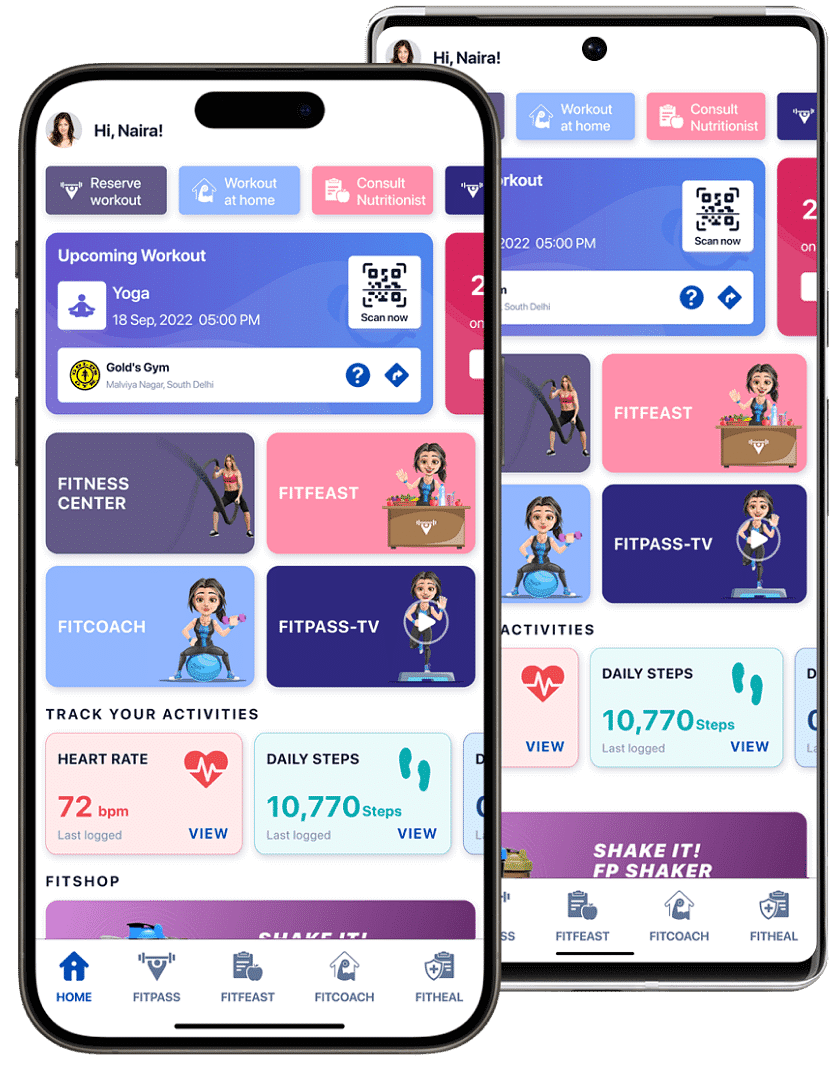
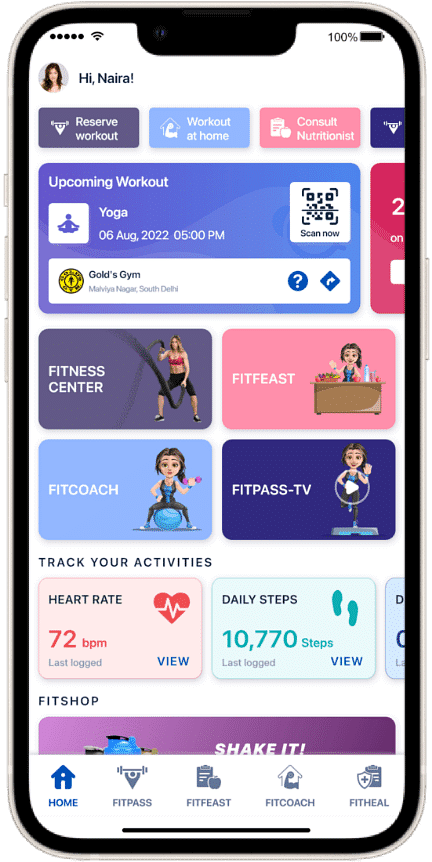
Consult a dietitian via the FITFEAST section in the FITPASS app.