Team burnout is not easy to spot. As a leader, you may think everything is going well—goals are being met, deadlines are followed, and people seem busy. But behind the scenes, your team might be silently struggling. A burnt-out team is less productive, less motivated, and likely to leave.
In this blog, we’ll help you recognise burnt-out team signs and explore leadership mistakes to avoid. You’ll also learn how to prevent burnout and how to improve the overall health of your workplace.
Team burnout happens when stress, pressure, and a lack of balance pile up over time. It leads to mental and physical exhaustion. Burnout can spread quickly, lowering team morale and damaging performance.
Leaders play a big role here. Your actions, with good intentions, can trigger or worsen burnout. Let’s understand the common leadership burnout pitfalls and see how to fix them.
One of the biggest leadership mistakes to avoid is micromanaging. Constantly checking your team’s every move can cause frustration and anxiety.
When team members feel they aren't trusted to work on their own, they lose confidence and motivation. Over time, this leads to micromanagement and burnout.
How to fix it:
- Give your team space to work independently.
- Focus on outcomes, not every detail.
- Offer support when needed, but avoid hovering.
This change alone can improve trust and reduce stress.

Another silent killer of motivation is the lack of team recognition. People want to feel seen and valued. Ignoring their hard work leads to a feeling of being invisible or unimportant.
A burnt-out team often feels that no matter how much they do, it’s never enough. This fuels exhaustion.
How to fix it:
- Celebrate wins, big or small.
- Offer regular feedback and appreciation.
- Encourage peer-to-peer recognition.
A recognised team feels motivated, boosting both morale and productivity.
Always making everything seem urgent? This is one of the leading leadership stress factors. While some tasks are truly urgent, treating all work as high priority causes stress and anxiety.
Over time, the constant urgency effects include poor focus, stress-related illness, and emotional fatigue.
How to fix it:
- Identify what’s truly urgent.
- Plan ahead and allow buffer time.
- Teach your team how to manage workload calmly and effectively.
Urgency should be the exception, not the rule.
Expecting your team to be "always on" is harmful. When people work overtime regularly or reply to emails late at night, they miss out on rest. This leads to burnout and affects health, relationships, and focus.
A poor work-life balance is a clear burnt-out team. And it starts at the top.
How to fix it:
- Respect personal time and boundaries.
- Encourage breaks, holidays, and downtime.
- Set a good example by balancing your own work and life.
A rested team is a strong team.

Unrealistic timelines can crush even the best team. When there’s always too much to do and not enough time, people start to rush, skip breaks, and compromise quality.
The unrealistic deadline impact includes burnout, reduced productivity, and rising errors.
How to fix it:
- Plan the deadline based on real capacity.
- Talk to your team before finalising deadlines.
- Adjust goals when needed to avoid overload.
Your team will thank you—and so will your results.
Communication isn’t just about talking, it’s about listening, sharing, and understanding. Poor communication causes confusion, mistakes, and resentment.
Inadequate communication can make your team feel lost and unsupported, increasing their stress levels.
How to fix it:
- Hold regular check-ins and meetings.
- Use clear language and explain the changes properly.
- Create space for open, honest feedback.
Better communication builds stronger teams and helps prevent team burnout.
If your team doesn’t know what to focus on, they’ll try to do everything. That’s a recipe for chaos and exhaustion. Unclear priorities lead to wasted effort, missed deadlines, and growing frustration.
How to fix it:
- Set clear, realistic goals.
- Share a roadmap that shows what matters most.
- Update priorities when needed and explain why.
Clarity reduces confusion and helps your team work smarter, not harder.
Sometimes your team needs help—extra hands, new tools, or just someone to talk to. Not providing this is a common leadership burnout pitfall.
Insufficient support makes your team feel like they’re on their own. This feeling leads to stress, mistakes, and low morale.
How to fix it:
- Ask your team what support they need.
- Offer training resources to new hires when possible.
- Show up as a leader who listens and helps.
Supportive leaders prevent burnout and create a safe, strong workplace.

As a leader, you’re not immune to burnout. In fact, leadership stress factors like pressure, decision-making, and long hours can wear you down, too.
If you’re stressed, it affects your team. Your tone, energy, and decisions all shift. This trickles down and creates tension in the team.
How to fix it:
- Take care of your own mental and physical health.
- Set boundaries for yourself.
- Seek help when needed—coaching, therapy, or just a break.
Strong leaders lead by example. When you manage your stress, your team learns to do the same.
One of the final burnt-out team signs is a drop in team morale. If your team seems quiet, disengaged, or uninterested, burnout may already be there.
Ignoring this will only make it worse. Low morale spreads fast and is hard to rebuild.
How to fix it:
- Check in with your team regularly.
- Create space for honest conversations.
- Make small changes that show you care—more flexibility, better recognition, clearer goals.
Addressing morale early helps stop burnout before it deepens.
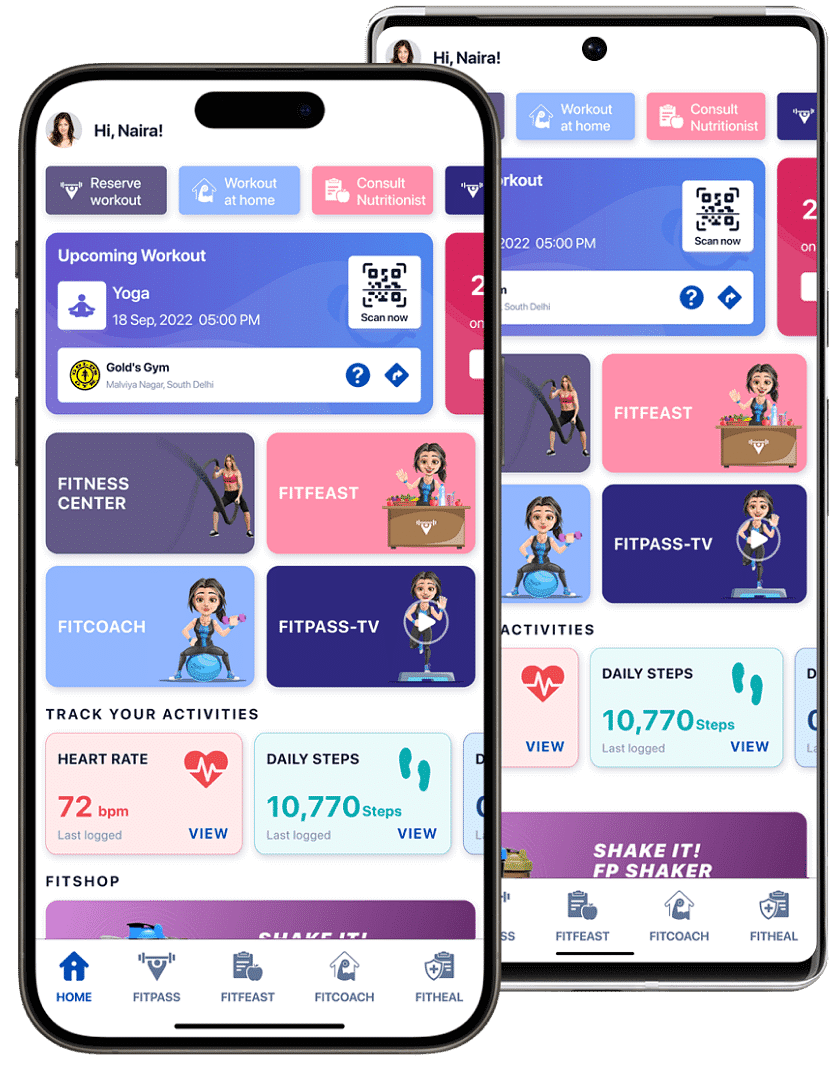
Wellness isn’t just for individuals. It’s for teams, too. Platforms like FITPASS are helping workplaces offer healthy habits through fitness plans, mindfulness tools, and flexible workout routines.
When leaders support wellness, they help prevent team burnout and promote a culture of care. It’s a smart way to keep your team motivated, healthy, and happy.
Burnout isn’t a sign of weakness—it’s a sign that something needs to change. As a leader, you have the power to stop burnout before it takes over.
By avoiding these leadership mistakes, from micromanagement and burnout to unclear priorities, you can build a healthier, more productive team. Watch for burnt-out team signs, support your people, and most importantly, take care of yourself.
A thriving team starts with smart leadership.