What if you could turn back time not on your skin or hair but on your heart? Science says it’s possible. Research now shows that 2 years of consistent exercise can reverse heart ageing, even for those in late middle age. As we grow older, our hearts naturally become stiffer, less elastic, and less efficient. But this process isn’t entirely irreversible. New evidence suggests that the right type of physical activity—especially when initiated at an early stage can help restore heart elasticity, enhance cardiovascular performance, and lower the risk of chronic conditions such as heart failure.
- Two years of consistent exercise can significantly improve heart elasticity and reverse age-related stiffness.
- The Norwegian 4x4 protocol and aerobic interval training are particularly effective in reversing heart ageing.
- Moderate to high-intensity workouts increase VO₂max, a key indicator of cardiovascular health.
- Even previously sedentary individuals in their 50s and 60s can experience heart rejuvenation.
- Strength training and aerobic activity work together to improve cardiac compliance and elasticity.
With age, the left ventricle of the heart the chamber responsible for pumping oxygen-rich blood to the body—loses its ability to relax properly. This leads to diastolic dysfunction, a key factor in heart failure among older adults. The stiffness is largely due to the accumulation of collagen and the loss of cardiac elasticity.
A sedentary lifestyle accelerates this process. Without regular cardiovascular stress, the heart’s structure and function decline rapidly. This is where sedentary reversal through heart fitness comes in using exercise to rejuvenate cardiovascular function.

A pivotal study conducted by the Institute for Exercise and Environmental Medicine in collaboration with the University of Texas Southwestern Medical Centre tracked the effect of a 2-year intensive exercise programme on adults aged 45 to 64. The findings were remarkable.
Participants who followed a structured aerobic and resistance training plan for two years experienced a significant increase in heart elasticity and a reduction in cardiac stiffness. The study also noted a 20% improvement in VO₂max an indicator of how efficiently the body utilises oxygen.
These improvements weren’t observed in the control group that followed only light stretching and balance routines. This clearly suggests that the dose of exercise matters when it comes to reversing heart ageing.
VO₂max or maximal oxygen uptake is the gold standard for measuring aerobic fitness. A low VO₂max is linked to increased cardiovascular risk, while higher levels correlate with longevity and reduced risk of heart disease.
The heart becomes more efficient at pumping blood with regular training, especially high-intensity interval training (HIIT). This improved efficiency translates to higher VO₂ max levels, which in turn lead to better endurance, reduced fatigue, and enhanced overall vitality.
Aerobic exercise such as brisk walking, jogging, cycling, or swimming is essential for improving cardiac compliance the heart’s ability to expand and contract effectively. In the 2-year study, participants who engaged in moderate to vigorous aerobic workouts four to five times a week experienced significant gains in heart function.
Notably, workouts needed to elevate the heart rate to around 65–75% of maximum capacity, progressing to HIIT sessions as the programme advanced. This intensity level was crucial for stimulating heart elasticity and structural change.
A standout training method used in several cardiac health studies is the Norwegian 4x4 interval protocol. It involves:
- Four intervals of four minutes each.
- Performed at 85–95% of maximum heart rate.
- Interspersed with three-minute active recovery phases.
This protocol is clinically proven to boost VO₂max and reverse cardiac stiffness, making it ideal for middle-aged adults aiming for heart rejuvenation.

While aerobic exercise takes the lead, strength training also plays a vital role. It enhances vascular health, regulates blood pressure, and strengthens muscles that support the cardiovascular system.
Two to three days of resistance training per week are recommended to complement aerobic routines. This balanced approach ensures that your heart, blood vessels, and muscles all benefit from a comprehensive fitness programme.
The research suggests that the minimum effective dose for reversing heart ageing includes:
- 4–5 exercise sessions per week.
- 30–45 minutes per session.
- Including at least one HIIT and one strength training session.
The key is consistent and progressive overload. It’s not about extreme athleticism but rather a structured, sustainable exercise routine tailored to the individual’s capacity.
One of the most inspiring takeaways from recent studies is that the heart remains plastic and adaptable well into late middle age. While younger hearts may show quicker improvements, older hearts are still capable of significant functional gains.
This provides hope for individuals in their 50s and 60s who may have been inactive. With a well-designed programme, even those with years of inactivity can benefit from cardiac elasticity improvements and reduced long-term cardiovascular risk.
A study published in the Circulation journal found that middle-aged adults who committed to high-intensity aerobic training not only improved their heart’s elasticity but also enhanced left ventricular compliance, critical for preventing heart failure.
Participants who remained in the moderate-intensity zone saw improvements, too, although to a lesser extent. This highlights that both intensity and duration play a role in reversing heart stiffness.

If you’re not ready to dive into HIIT just yet, there’s good news. Moderate-intensity exercise, like brisk walking or cycling at a steady pace, also leads to meaningful heart health improvements when done consistently over time.
While it may take longer to see dramatic changes, this approach is safer and more sustainable for beginners or those with underlying conditions. The important thing is to keep moving and build up gradually.
- Consult Your Doctor: Especially important if you have pre-existing heart conditions.
- Start Small: Begin with 20–30 minutes of walking, three days a week.
- Progress Gradually: Increase duration, then intensity.
- Mix It Up: Combine aerobic sessions with strength training.
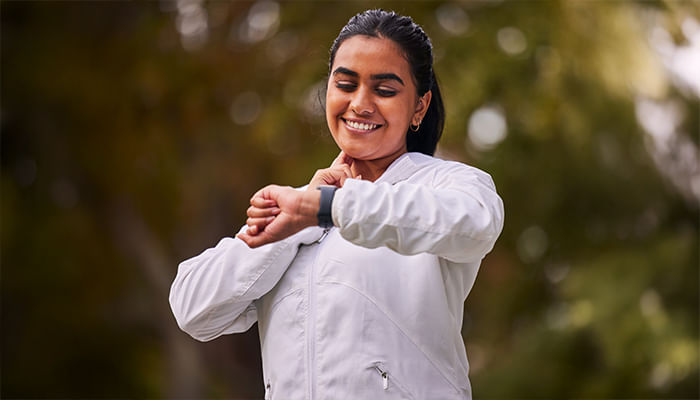
- Monitor Heart Rate: Use a fitness tracker or smartwatch to stay in the recommended range.
- Stay Consistent: Aim for a long-term lifestyle change, not a quick fix.
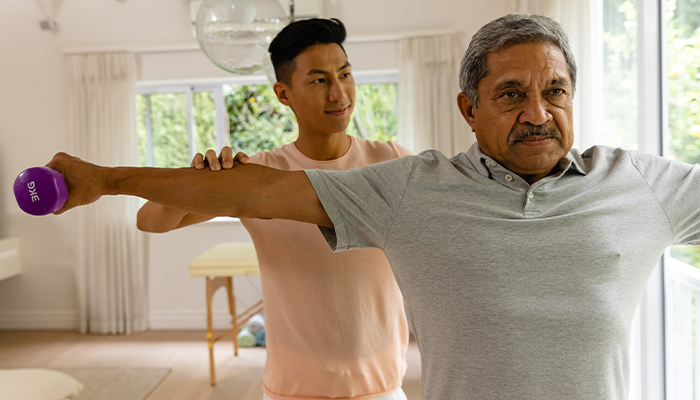
The human heart, once thought to be largely unchangeable post-middle age, is now known to be highly trainable with the right exercise plan. From increased VO₂max to improved cardiac compliance, and reduced stiffness to enhanced overall endurance the benefits are real and attainable.
With commitment and structure, two years of the right kind of training can help you reverse years of heart ageing and improve not just longevity, but quality of life.
Heart health isn’t a lost cause at any age. The latest research proves that it’s never too late to make meaningful changes. If you’re in your 40s, 50s, or even 60s, consistent exercise can rewind the heart’s ageing clock. This isn’t just about fitness it's about freedom, longevity, and vitality.
So lace up your trainers, start slow, stay consistent, and let your heart feel the difference.