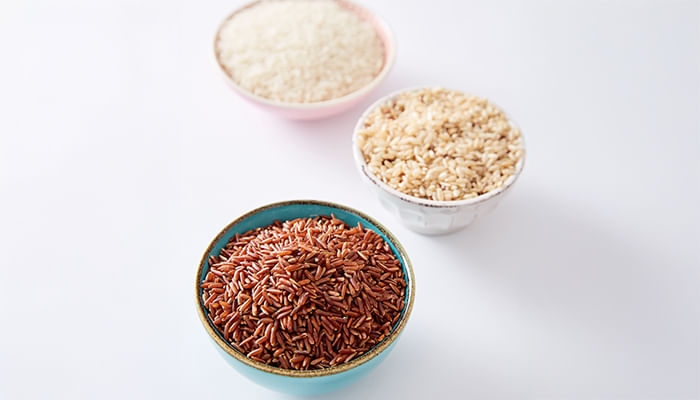
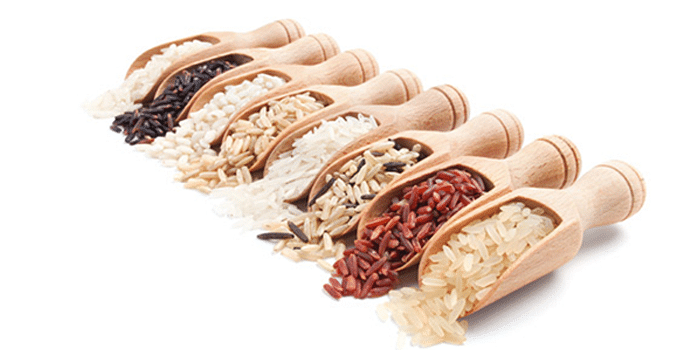
Rice is one of the most widely consumed foods in the world, particularly in Asia, where it is part of everyday meals. It provides energy, versatility, and comfort in countless dishes. But the ongoing debate continues: brown rice vs white rice: which is the healthier option?
The truth is that both brown and white rice have their own roles in a balanced diet. Their nutritional values differ because of the way they are processed, and their impact on health also varies. Understanding these differences helps make the right choice, depending on individual health goals, lifestyle, and dietary plans.
- Brown rice is a whole grain and contains the bran and germ, which makes it higher in fibre, magnesium, and other nutrients.
- White rice is polished and processed, which removes fibre and micronutrients, but makes it easier to digest and quicker to cook.
- Brown rice supports weight control, heart health, and cholesterol balance, while white rice is ideal for athletes, children, or those with sensitive digestion.
- Both types of rice can be included in a balanced diet; what matters most is portion control and food pairing.
- Choosing between the two depends on health goals; brown rice suits long-term health benefits, while white rice is better for immediate energy needs.
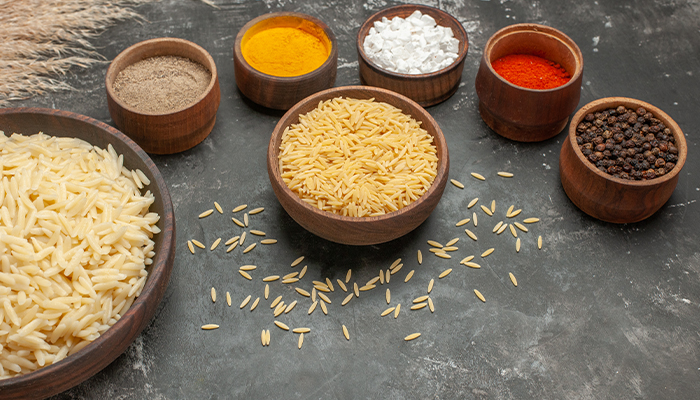
The difference between the two types of rice lies in how rice is processed.
- Brown rice is minimally processed and retains the bran and germ. This makes it richer in fibre, magnesium, manganese, potassium, and B vitamins.
- White rice undergoes a milling and polishing process that removes the bran and germ, leaving mostly the starchy endosperm. While some white rice is fortified with added nutrients, it does not match the nutritional density of brown rice.
| Nutrient |
Brown Rice |
White Rice |
| Fibre |
High |
Low |
| Magnesium |
Rich |
Much lower |
| Carbohydrates |
Complex, slow release |
Simple, quick release |
| Calories |
Slightly higher |
Slightly lower |
| Protein |
Higher |
Lower |
| Iron |
Moderate |
Lower |
| Potassium |
Good source |
Lower |
| Sodium |
Naturally low |
Naturally low |
This brown rice vs white rice comparison chart highlights how brown rice, as a whole grain, retains more natural nutrients and fibre.
The health benefits of brown rice make it a popular choice for those looking for healthier alternatives to refined grains.
- Fibre content: The fibre in brown rice aids digestion, supports satiety, and helps regulate cholesterol.
- Magnesium in brown rice: Magnesium is essential for bone health, muscle function, and blood pressure regulation.
- Potassium content: Supports heart health and helps maintain fluid balance.
- Antioxidants: Whole grain rice provides compounds that fight inflammation and oxidative stress.
Research in the American Journal of Clinical Nutrition shows that whole grains, including brown rice, lower the risk of cardiovascular disease by improving cholesterol levels and arterial function.
The fibre in brown rice binds with cholesterol in the digestive system, reducing absorption and improving cholesterol control.
Brown rice keeps the stomach fuller for longer, reducing the likelihood of snacking or overeating. For those following diet plans for weight management, brown rice is a reliable option.
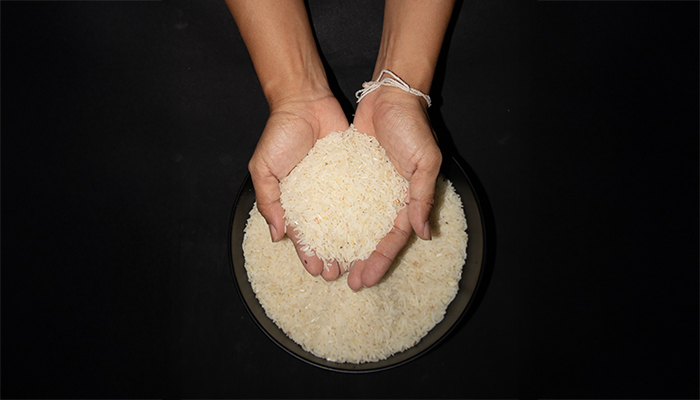
Although less nutrient-dense, white rice nutrition still plays an important role in certain situations.
- Easily digestible: White rice is gentle on the stomach, making it suitable for people with digestive concerns, children, and the elderly.
- Quick source of energy: Athletes and individuals requiring fast energy often choose white rice due to its higher glycaemic index.
- Versatility: White rice cooks faster and works well in countless dishes.
A study published in Diabetes Care suggested that replacing white rice with whole grains like brown rice may reduce the risk of type 2 diabetes by up to 16%. However, this does not mean white rice should be eliminated; it simply means moderation is important.
When comparing the calories of brown rice to those of white rice, the difference is minor.
- Cooked brown rice (1 cup): ~218 calories
- Cooked white rice (1 cup): ~205 calories
Both provide around 45g of carbohydrates per cup, but the difference lies in digestion. Brown rice carbohydrates are digested slowly due to fibre, whereas white rice carbohydrates are digested quickly, raising blood sugar faster.
- Fibre in brown rice: Brown rice contains over three times more fibre than white rice, aiding digestion and weight control.
- Magnesium in brown rice: An important nutrient often missing in modern diets, magnesium supports energy production and cardiovascular health.
White rice loses most of its fibre and magnesium during processing.
Both types of rice can be valuable, depending on the situation:
- Brown rice: Best for individuals focusing on weight management, diabetes prevention, and long-term health.
- White rice: Suitable for athletes, quick recovery meals, or when gentle digestion is needed.
In the context of fitness diets, brown rice plays an important role:
- Provides steady energy for workouts.
- Contains higher brown rice protein content than white rice, supporting muscle recovery.
- Helps in muscle gain diet plans by fuelling training sessions without energy crashes.
At the same time, white rice can be a strategic choice before intense training for a quick energy boost.
Brown rice takes longer to cook, but a few strategies can make it easier:
- Soak for 30 minutes before cooking to reduce cooking time.
- Use a pressure cooker or rice cooker for convenience.
- Add spices and herbs to enhance flavour.
- Use in stir-fries, salads, grain bowls, or with curries for balanced meals.
Many individuals who shift from white rice to brown rice report improved satiety and energy. One example is Aarav, a 32-year-old IT professional:
"I switched to brown rice three months ago after feeling constantly hungry with white rice. Since then, my digestion feels lighter, and I have lost 3 kg without making any other major changes. It’s a simple change that gave visible results."
Kanak, Nutritionist at FITPASS
“Brown rice and white rice often create confusion among people trying to eat healthy. Brown rice, being a whole grain, offers more fibre, magnesium, and nutrients, making it beneficial for long-term health and weight control. White rice, however, is not necessarily bad; it is easier to digest and provides quick energy, which is helpful in specific situations such as athletic performance or recovery.
The right approach is balance. Include brown rice for daily meals to maximise health benefits, while using white rice occasionally for its digestibility and energy boost. Ultimately, portion control and food pairing matter more than the type of rice alone.”
The discussion on brown rice vs white rice does not have a single definitive answer. Both have unique advantages. Brown rice is nutrient-rich, supports cholesterol control, and helps with weight management. White rice, though less nutritious, provides quick energy and is ideal for those needing easily digestible food.
For personalised diet plans, platforms such as FITFEAST provide expert nutrition guidance to include the right foods, whether brown rice or white rice, in a balanced way.