Body Shape & Body Type Calculator
Use this body shape calculator to identify your body shape based on body measurements.
BODY SHAPE CALCULATOR
What is Body Shape Analysis?
Body shape analysis classifies your natural body proportions into recognised body type categories based on the relationship between your shoulders or bust, waist, and hips. Unlike BMI or body weight, body shape focuses entirely on proportion and silhouette rather than overall size.
The purpose of body shape analysis is practical, not judgmental. It helps people understand how their body naturally distributes muscle, fat, and structure so they can make more informed fitness and styling decisions.
Our Body Shape Calculator analyses your measurements and identifies the body shape category that most closely matches your proportions.
Why People Use a Body Shape Calculator
Training & Physique Planning
Different body shapes often develop muscle and store fat differently. Understanding your proportions can help you prioritise specific training areas to create a more balanced physique.
For example:
- Pear body shapes may focus more on upper-body development
- Inverted Triangle shapes often prioritise lower-body training
- Rectangle body types commonly focus on creating more visible curves and waist definition
- Hourglass shapes usually benefit from balanced full-body training
This does not mean one shape is better than another. It simply helps guide more targeted workout planning.
Clothing & Style Guidance
Body shape analysis is also widely used in fashion and styling because clothing silhouettes interact differently with different proportions.
Understanding your shape may help with:
- choosing better-fitting clothes
- balancing upper and lower body visually
- selecting flattering cuts and silhouettes
- improving overall outfit structure
The goal is not to hide your body shape, but to understand how different clothing styles work with your natural proportions.
Body Shape is a Proportion Guide - Not a Health Metric
Body shape is not a measure of health, fitness level, attractiveness, or body quality. It is simply a neutral description of how your measurements relate to each other.
Two people with the same body shape can have completely different:
- body fat percentages
- fitness levels
- muscle mass
- weight classifications
- metabolic health markers
Similarly, people of every body shape can build strength, improve cardiovascular fitness, and maintain healthy lifestyles.
There is no “best” body shape. Cultural trends and social media often promote certain physiques at different times, but body shape categories are descriptive, not evaluative.
The Five Female Body Shapes
| Shape | Characteristics |
|---|---|
| Hourglass | Bust and hips are similar in width with a noticeably narrower waist. Body weight tends to be distributed evenly between the upper and lower body. |
| Bottom Hourglass | Similar to the Hourglass shape, but hips and thighs are slightly wider than the bust. Waist remains well-defined. |
| Inverted Triangle | Shoulders or bust are broader than the hips. The upper body appears wider, often creating an athletic silhouette. |
| Pear | Hips are wider than the shoulders and bust, with weight commonly carried around the hips, thighs, and lower body. Waist is usually defined. |
| Apple | More weight is carried around the midsection, with a less defined waist. Shoulders and hips are often similar in width. |
| Rectangle | Shoulders, waist, and hips are relatively similar in width, creating a straighter body silhouette with minimal waist definition. |
The Three Male Body Shapes
| Shape | Characteristics |
|---|---|
| V-Shape | Broad shoulders and chest that taper down to a narrower waist and hips. Common in athletic or strength-trained physiques. |
| Rectangle | Chest, waist, and hips are relatively similar in width, creating a straighter body profile. |
| Oval | More body weight is carried around the midsection, with the waist appearing wider than the shoulders or hips. |
The calculator uses circumference measurements to compare the relationship between the upper body, waist, and hips. These measurement differences are then matched against predefined classification rules.
Measurements Used in Body Shape Analysis
The calculator uses a combination of the following measurements:
| Measurement | Purpose |
|---|---|
| Bust / Chest | Measures upper-body width and proportion |
| Waist | Measures waist definition and torso balance |
| High Hip | Used in some female body shape classifications |
| Hip | Measures lower-body width and proportion |
These measurements are compared mathematically to determine which body shape pattern is the closest match.
Where to Measure
| Measurement | Instructions |
|---|---|
| Bust / Chest | Measure around the fullest part of the chest while standing naturally with arms relaxed. |
| Waist | Measure the narrowest part of the torso, usually slightly above the navel. Do not suck in the stomach. |
| High Hip | Measure around the upper hip bone area, approximately 20 cm below the waist. |
| Hip | Measure around the widest part of the hips and buttocks with feet together. |
The calculator does not analyse body fat percentage, muscle mass, or health markers. It only evaluates external body proportions.
Measurement Tips for Better Accuracy
To improve measurement consistency:
- keep the tape snug but not tight
- stand upright without flexing
- avoid sucking in the stomach
- keep feet together during hip measurements
- measure directly against the body or thin clothing
- use centimetres for more precise classification
If possible, repeat measurements twice and use the average.
How Body Shape Classification Works
After measurements are entered, the calculator compares the proportional differences between body areas.
Female Body Shape Classification Logic
Female body shape analysis focuses on the relationship between the bust, waist, and hips.
| Body Shape | General Classification Pattern | Mathematical Rule |
|---|---|---|
| Hourglass | Balanced bust and hips with a defined waist | |Bust − Hip| less than 3.6 cm AND (Hip − Waist) ≥ 9 cm AND (Bust − Waist) ≥ 9 cm |
| Bottom Hourglass | Hips slightly larger than bust with a defined waist | (Hip − Waist) ≥ 9 cm AND (Hip − Bust) ≥ 3.6 cm AND (Bust − Waist) ≥ 9 cm |
| Pear | Hips noticeably wider than upper body | (Bust − Hip) ≥ 3.6 cm AND (Bust − Waist) ≥ 9 cm |
| Inverted Triangle | Shoulders or bust wider than hips | Hip > (Bust + 5 cm) AND (Hip − Waist) ≥ 9 cm |
| Apple | Waist wider or less defined relative to bust and hips | Waist > Bust OR Waist > Hip |
| Rectangle | Similar shoulder, waist, and hip proportions | None of the above rules match |
Rectangle is generally the fallback category when stronger proportional differences are not detected.
Male Body Shape Classification Logic
Male body shape analysis focuses more on chest-to-waist proportion.
| Body Shape | General Classification Pattern | Rule |
|---|---|---|
| V-Shape | Broad chest and shoulders with narrower waist | Waist > Chest OR Waist > Hip — checked first |
| Rectangle | Similar chest, waist, and hip proportions | (Chest − Waist) ≥ 10 cm — checked second |
| Oval | Waist wider than chest or hips | Neither Oval nor V-Shape — fallback |
Male classifications are generally simpler because body shape variation is usually driven more by torso taper than hip proportion.
Why Measurement Order Matters
The calculator checks certain body shape patterns before others because some proportion combinations overlap.
For example:
- a Bottom Hourglass shape may also partially match Pear proportions
- an Apple shape may otherwise appear rectangular without waist analysis
- a V-Shape may still have relatively balanced hips
Using prioritised classification rules improves consistency and reduces incorrect categorisation.
Factors That Can Influence Results
Body shape classification may change slightly depending on
- muscle gain or fat loss
- posture during measurement
- tape placement accuracy
- hormonal changes & pregnancy
- long-term training style
Because body proportions exist on a spectrum, some people may sit between two body shape categories rather than matching one perfectly.
Shape-by-Shape Fitness and Style Guide
⌛ Hourglass
Bust and hips are relatively balanced with a clearly defined waist, creating proportionate upper and lower body measurements.
Fitness Focus :
Balanced full-body training works best for maintaining overall symmetry and conditioning. Common exercises include squats, deadlifts, rows, Pilates, yoga, and general strength training combined with cardiovascular fitness.
Style Guidance :
Wrap dresses, fitted tops, tailored silhouettes, and belted outfits often complement the natural waist definition. Oversized or boxy clothing may reduce body balance visually.
🍐 Pear (Bottom Hourglass)
Hips and thighs carry more volume than the upper body while the waist remains defined. Lower-body proportions are naturally more dominant.
Fitness Focus :
Training commonly focuses on upper-body development to improve shoulder-to-hip balance. Exercises such as shoulder press, lateral raises, lat pulldowns, cable rows, and push-up variations are often prioritised alongside balanced lower-body training.
Style Guidance :
Structured shoulders, boat necklines, layered tops, and A-line silhouettes are commonly preferred. Darker lower-body colours and waist-defined outfits may help create more balanced proportions visually.
🔻 Inverted Triangle
Shoulders or bust are broader than the hips, creating a more upper-body dominant silhouette. This body shape is often associated with athletic upper-body development.
Fitness Focus :
Training commonly focuses on lower-body development to improve overall proportion and balance. Exercises such as squats, lunges, hip thrusts, glute bridges, leg press, and Romanian deadlifts are often prioritised. Some people reduce excessive upper-body isolation volume when balance is the primary goal.
Style Guidance :
Flared trousers, A-line skirts, textured bottoms, and wide-leg silhouettes may help create more visual balance. Simpler upper-body styling and V-necklines are commonly preferred to soften shoulder width visually.
🍎 Apple (Round)
Fitness Focus :
Fitness plans often focus on full-body conditioning, cardiovascular fitness, posture, and strength training. Walking, cycling, swimming, resistance training, and compound exercises are commonly recommended to improve overall fitness and body composition.
Style Guidance :
Vertical patterns, monochromatic outfits, empire-waist styles, and V-necklines are commonly used to create cleaner vertical lines. Clothing with excessive waist emphasis is often avoided.
📏 Rectangle (Banana)
Shoulders, waist, and hips are relatively similar in width, creating a straighter body profile with minimal natural waist definition. This shape is common in lean and athletic individuals.
Fitness Focus :
Training typically focuses on creating more visible curves through muscle development. Glute-focused lower-body exercises and shoulder development are commonly prioritised to improve upper and lower body shape contrast.
Style Guidance :
Belted outfits, layered silhouettes, peplum styles, cropped jackets, and flared bottoms are commonly used to create more visible waist definition and body shape contrast.
🔻 V-Shape (Male)
Broad shoulders and chest taper into a narrower waist and hips, creating the classic athletic male silhouette. This body shape is commonly associated with strength training and upper-body development.
Fitness Focus :
Training usually focuses on maintaining balanced upper and lower body development. Compound exercises such as squats, deadlifts, rows, pull-ups, and leg press movements help support overall muscular balance, posture, and long-term strength development.
Style Guidance :
Fitted shirts, structured jackets, tapered trousers, and athletic cuts often complement V-shaped proportions well. Tailored clothing can help maintain clean shoulder-to-waist balance without appearing oversized.
⭕ Oval (Male)
Weight is carried more around the waist and midsection, with shoulders and hips appearing relatively similar in width. The waist is typically the widest point of the torso.
Fitness Focus :
Fitness plans commonly prioritise cardiovascular fitness, full-body strength training, and overall body composition improvement. Walking, cycling, swimming, resistance training, and compound movements are often used to support strength, endurance, and metabolic health.
Style Guidance :
Dark solid colours, vertical patterns, structured outerwear, and straight silhouettes are commonly used to create cleaner visual lines. Clothing with excessive waist emphasis or horizontal patterns is often avoided.
Body shape alone does not determine whether someone is healthy or unhealthy, but fat distribution patterns may influence certain health tendencies over time.
Fat Distribution and Health
Where the body stores fat may influence certain long-term health patterns.
In general:
- lower-body fat storage is often more common in Pear-shaped individuals
- central fat storage around the waist is more common in Apple and Oval body shapes
- athletic upper-body dominance is more common in V-Shape and Inverted Triangle body types
Fat stored around the abdominal area is often referred to as visceral fat. Excess visceral fat is associated with increased risk of metabolic and cardiovascular conditions over time.
However, body shape alone cannot determine health status.
Fitness Benefits of Understanding Your Body Shape
Understanding body shape can help improve training efficiency and physique planning.
| Area | How Body Shape Analysis Helps |
|---|---|
| Strength Training | Helps identify areas to prioritise for balance and posture |
| Exercise Selection | Supports more targeted workout programming |
| Physique Goals | Helps create realistic body composition expectations |
| Mobility & Stability | Encourages balanced muscular development |
| Clothing Fit | Improves understanding of proportion and silhouette |
Waist Circumference Matters More Than Shape Alone
Waist measurement is one of the most important indicators linked to abdominal fat distribution.
A larger waist circumference may be associated with increased risk of insulin resistance, type 2 diabetes, high blood pressure & cardiovascular disease. This is why waist measurement is commonly used alongside BMI and body fat analysis in health assessments.
Body shape categories help describe proportions, but waist measurement provides more direct metabolic insight.
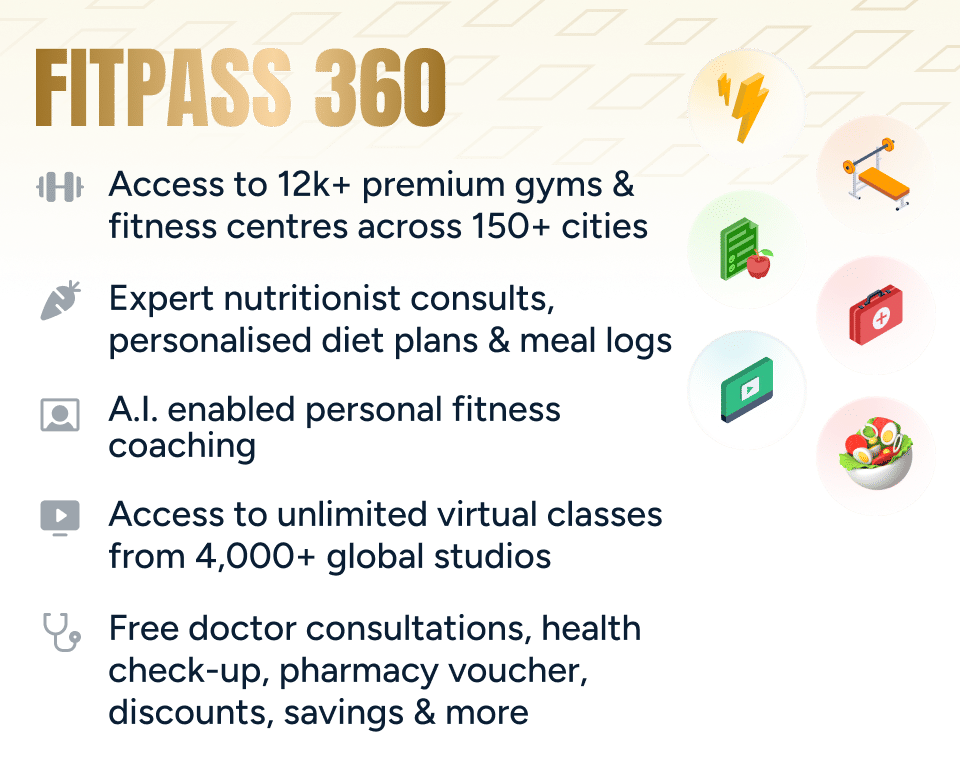
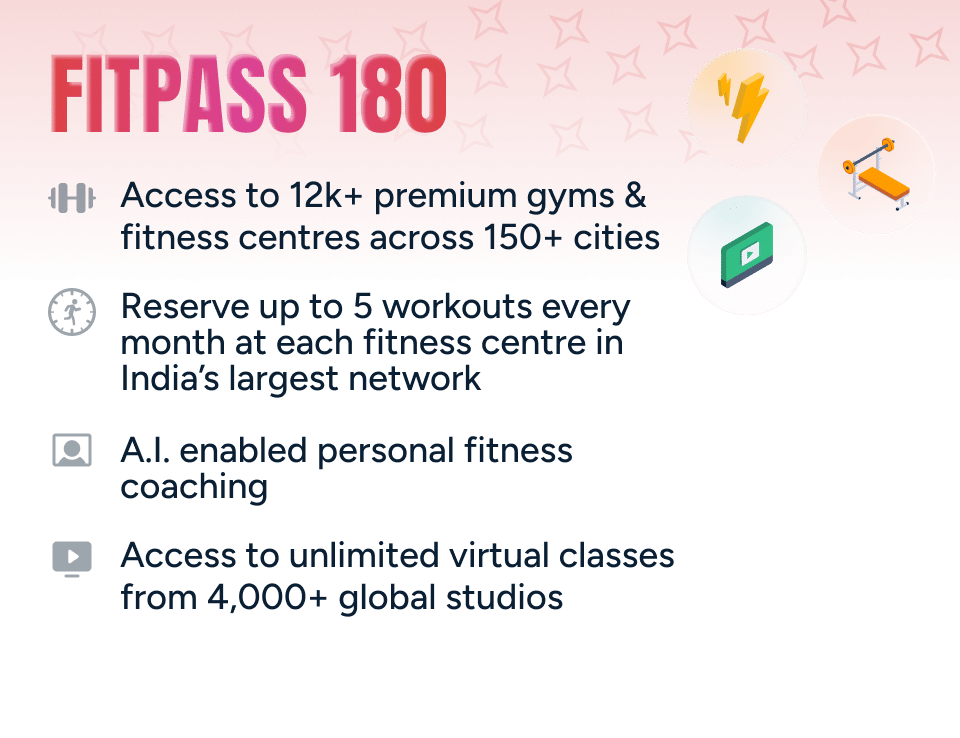
Why Choose FITPASS
FITPASS gives you gym access, AI personal training, home workouts, nutrition support and health services in one membership




Put Your Health Insights Into Action
Achieve your goals with one fitness membership.