Hiit Training Workouts In Jaipur
HIIT (High-Intensity Interval Training) is a time-efficient workout method that combines short bursts of intense exercise with brief recovery periods to improve cardiovascular fitness, build strength, and support calorie burn. HIIT workouts are widely recommended by fitness professionals for people who want effective results within shorter training sessions. With FITPASS, you can access professionally guided HIIT workout classes across Jaipur at verified gyms and fitness studios. Sessions are led by trained instructors who focus on proper technique, structured intervals, and progressive intensity to suit different fitness levels. Whether you’re new to HIIT or looking to push your performance further, these classes help you train safely and consistently. You can also choose studios near your home or workplace, select time slots that fit your routine, and switch centres easily, all through FITPASS flexible fitness membership designed for long-term fitness.
See More





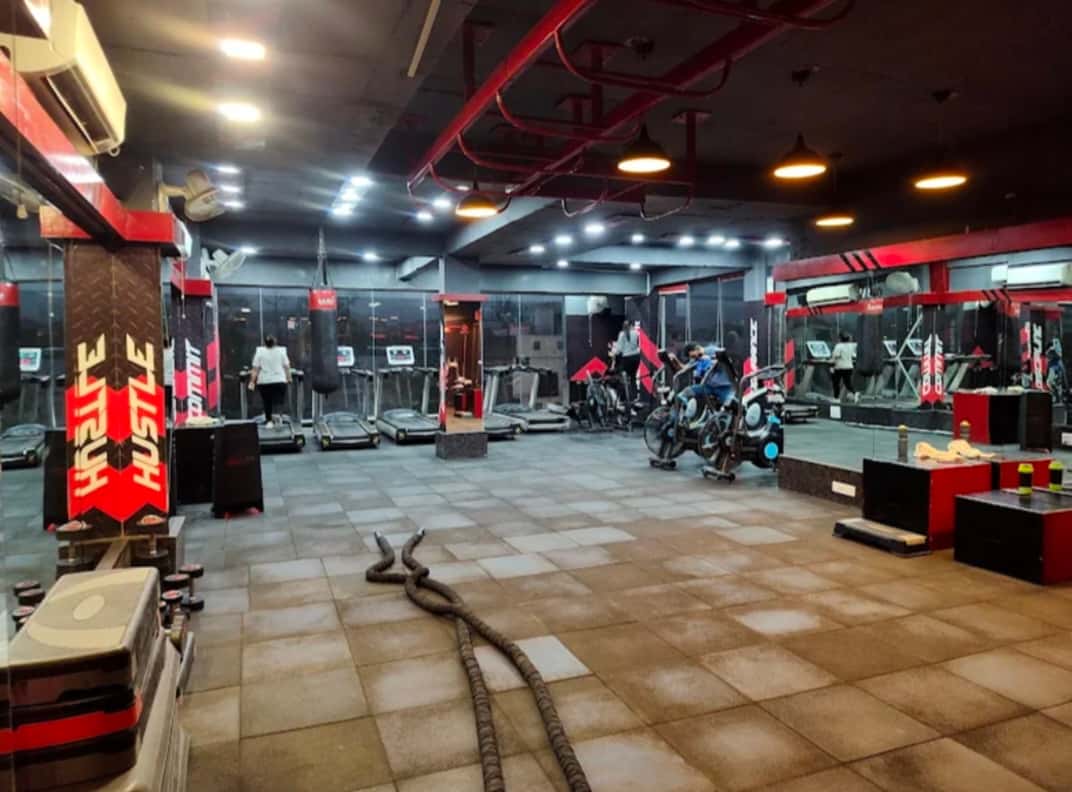

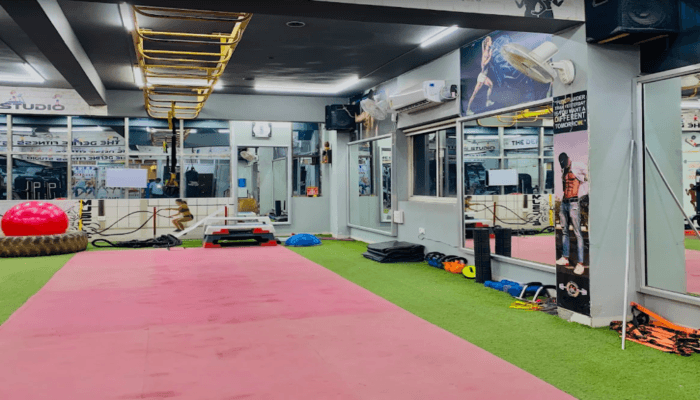
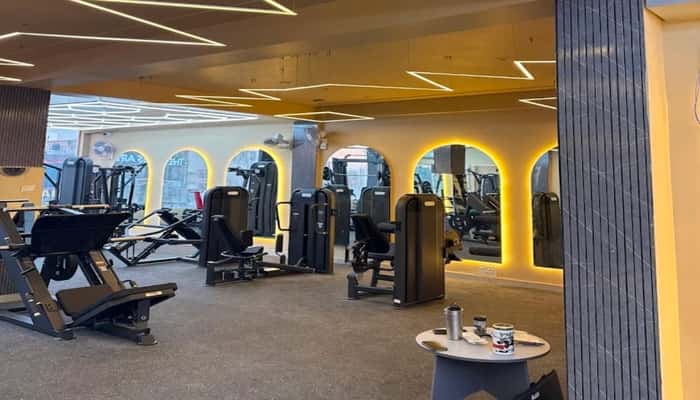



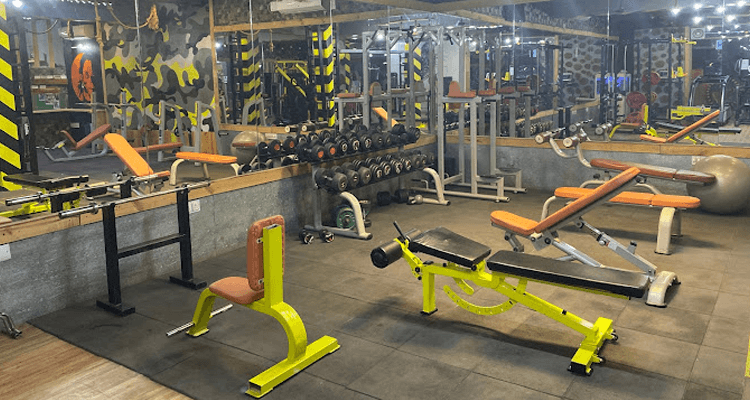
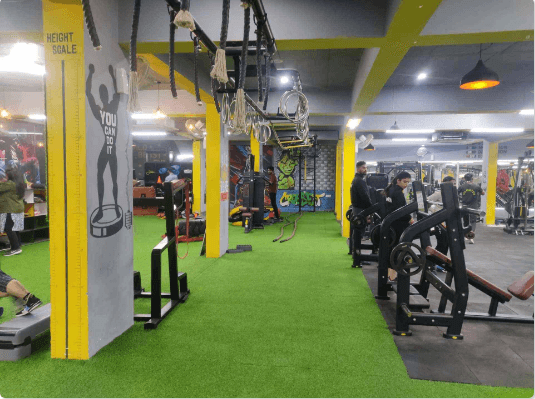

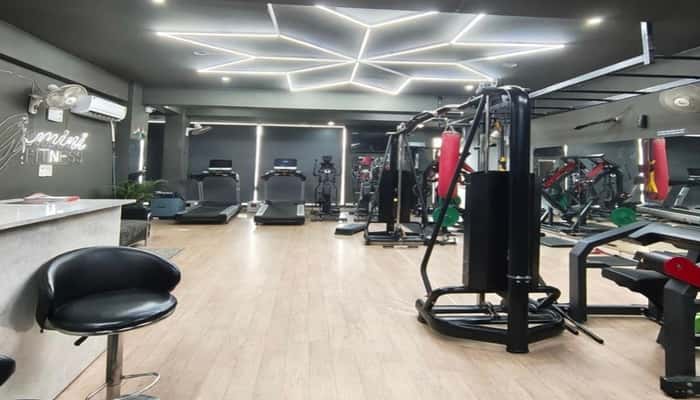

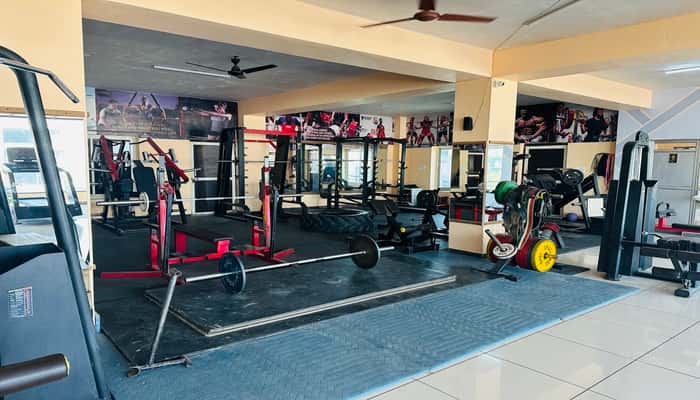
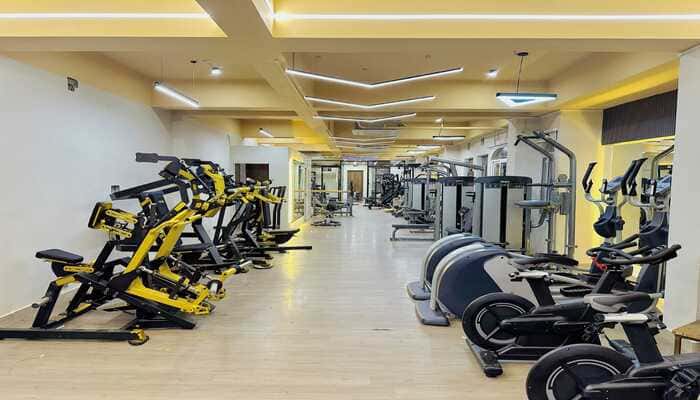

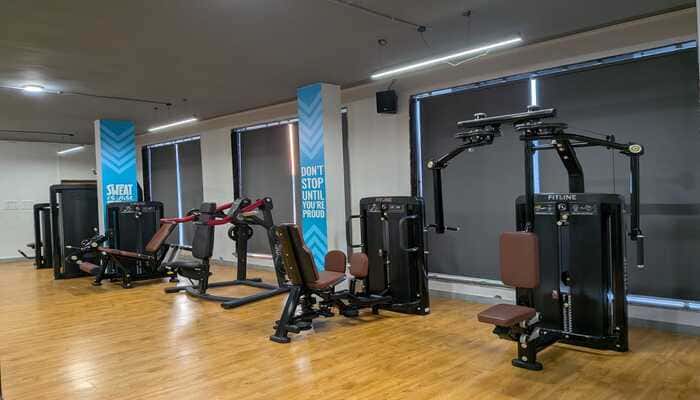



Hiit Training Workouts Available in Jaipur
More Ways to Stay Active in Jaipur










Choose Your FITPASS Plan
Your Fitness Journey Starts with the Right Plan


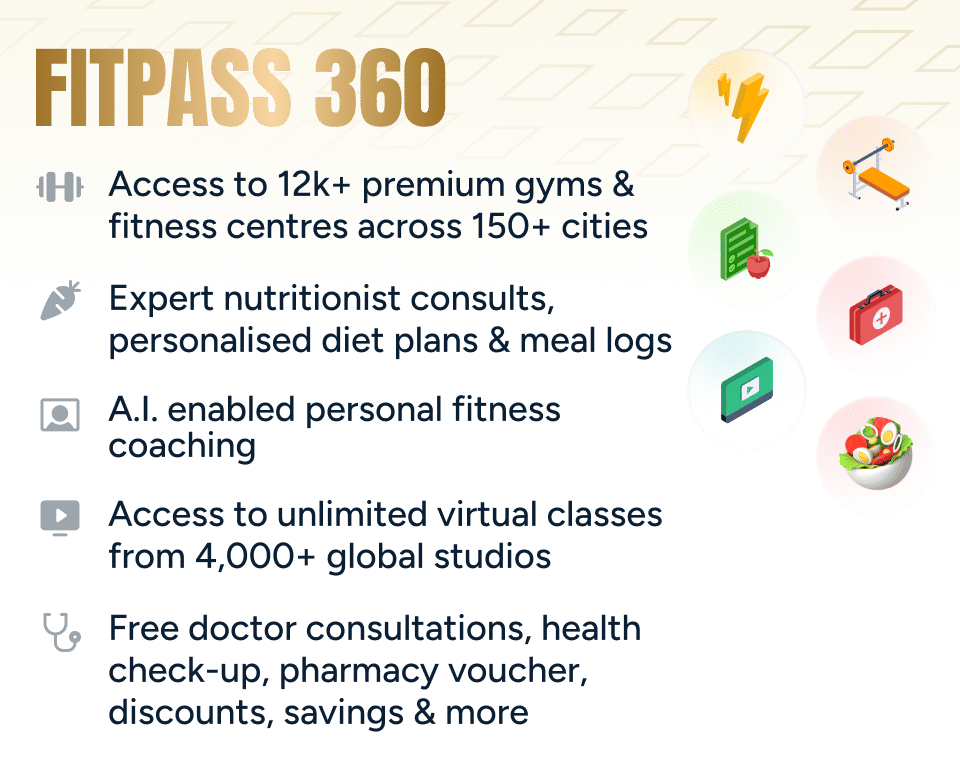
HIIT training offers a dynamic way to work on cardiovascular endurance, muscular strength and overall fitness through short bursts of intense exercise followed by periods of recovery. Whether you are beginning your fitness journey or looking to add more variety to your existing workout routine, HIIT can help you challenge your body through a combination of cardio, strength and functional movements. In Jaipur, you can explore different HIIT training options at gyms and fitness centres based on your fitness level, workout preferences and personal goals.
How HIIT Training Works
High-Intensity Interval Training combines periods of demanding physical activity with short recovery intervals. Instead of maintaining the same pace throughout a workout, you alternate between exercises that raise your heart rate and periods that allow your body to recover.
A HIIT workout may include movements such as squats, jumping jacks, mountain climbers, push-ups, lunges and high knees. The exercises can be performed individually or arranged into circuits, depending on the training format. Workout intensity, exercise selection and recovery periods can also be adjusted to suit different fitness levels.
The structure of HIIT makes it a versatile training option. You can focus on cardio endurance, bodyweight strength, functional movements or a combination of these elements within the same workout.
Fitness Benefits of HIIT Workouts
HIIT can support several aspects of physical fitness when practised consistently and with suitable intensity. The results depend on your current fitness level, exercise technique, recovery and overall routine.
-
Cardiovascular endurance: Alternating between intense activity and recovery can challenge your cardiovascular system and help develop stamina.
-
Muscular endurance: Repeated movements such as squats, lunges and push-ups engage different muscle groups throughout the workout.
-
Strength and conditioning: Bodyweight and resistance-based exercises can help build strength while improving overall conditioning.
-
Coordination and agility: Dynamic movements require balance, control and coordination, making HIIT useful for developing functional movement skills.
-
Workout variety: Different exercises and interval formats can make training more engaging and help prevent your routine from becoming repetitive.
HIIT is not limited to weight management or calorie-focused workouts. It can also be included in a broader fitness programme to develop endurance, strength and movement efficiency.
Exercises Commonly Included in HIIT Training
HIIT workouts can combine several exercises to engage the upper body, lower body and core. The selection depends on the session's objective and the participant's ability.
Bodyweight exercises: Squats, lunges, push-ups, planks and burpees are commonly used to develop muscular endurance and strength without requiring extensive equipment.
Cardio movements: High knees, jumping jacks, mountain climbers and skipping can increase workout intensity and challenge cardiovascular endurance.
Core exercises: Plank variations, bicycle crunches and controlled mountain climbers can engage the abdominal and supporting muscles.
Functional movements: Exercises involving bending, stepping, pushing and stabilising can help develop movement control and coordination for everyday activities.
Beginners can start with modified movements and controlled repetitions before progressing to more demanding variations. Maintaining correct technique should remain more important than increasing speed.
Different HIIT Workout Formats to Explore
HIIT can be adapted through different training styles, allowing you to choose workouts that match your interests and fitness objectives.
Tabata Training: This format uses short, structured periods of intense exercise followed by brief recovery intervals. It can include movements such as squats, burpees and jumping jacks.
Circuit-Based HIIT: A circuit combines different exercises performed in sequence. It can include cardio, strength and core movements to create a varied full-body workout.
Bodyweight HIIT: This approach uses your body weight as resistance. Exercises such as push-ups, lunges, planks and squats can be arranged into challenging workout sequences.
Low-Impact HIIT: Modified movements reduce jumping and high-impact actions while maintaining an interval-based structure. This can be a useful option for people who prefer a lower-impact workout, although exercise selection should suit individual needs.
Functional HIIT: This style combines movements that involve strength, balance, coordination and mobility. It can help develop overall physical conditioning.
AMRAP Workouts: AMRAP stands for As Many Rounds As Possible. Participants complete a selected group of exercises repeatedly within a set period, while maintaining appropriate form and pace.
Exploring different formats can help you identify the type of HIIT training that feels challenging, manageable and enjoyable.
How to Choose the Right HIIT Training for Your Fitness Level
The right workout depends on your current activity level, training experience and fitness goals. If you are new to HIIT, begin with basic exercises and lower-intensity variations. Focus on understanding the movements before increasing the pace or difficulty.
People with an established exercise routine may prefer sessions that combine strength, cardio and functional movements. Those who want to improve endurance can explore workouts with a greater focus on cardiovascular exercises, while strength-focused sessions may include more resistance-based movements.
Before starting a programme, consider the following:
-
Check whether the workout offers modifications for different fitness levels.
-
Choose exercises that match your current ability and movement experience.
-
Pay attention to the trainer's instructions and exercise demonstrations.
-
Allow sufficient recovery between demanding sessions.
-
Progress gradually instead of increasing intensity too quickly.
If you have an existing injury, health concern or have been inactive for an extended period, seek appropriate professional guidance before beginning high-intensity exercise.
Tips for a Safe and Effective HIIT Workout
HIIT can be demanding, so preparation and recovery are important parts of the training process. A suitable warm-up helps prepare your muscles and joints for movement, while a cool-down gives your body time to return to a resting state.
Keep these practices in mind during your workouts:
-
Warm up properly: Begin with light cardio and dynamic movements before starting intense intervals.
-
Prioritise technique: Perform each exercise with controlled movements rather than rushing through repetitions.
-
Use recovery periods: Take the prescribed rest intervals and modify the intensity whenever needed.
-
Stay hydrated: Drink water before, during and after your workout.
-
Allow time for recovery: Avoid training at maximum intensity every day. Balance demanding sessions with lighter activity and rest.
-
Listen to your body: Stop exercising if you experience unusual pain, dizziness or discomfort.
Consistency, suitable progression and proper recovery can help you build a sustainable fitness routine.
Build a Balanced Fitness Routine in Jaipur
HIIT can be an effective part of a wider fitness programme, but a balanced routine should include different forms of physical activity. Combining interval training with strength workouts, steady-paced cardio, mobility exercises and yoga can help address different aspects of fitness.
For example, you can use HIIT sessions to work on cardiovascular conditioning, strength training to develop muscular strength and mobility exercises to support movement quality. Lighter activity and recovery days can help manage training demands and maintain consistency.
If your goal is to improve stamina, develop strength or make your workouts more varied, choose a routine that fits your schedule and current ability. In Jaipur, exploring different training environments can help you find an approach that keeps you motivated and supports your long-term fitness goals.
Explore HIIT Training Options in Jaipur with FITPASS
Finding a suitable place to train is an important step towards maintaining a regular workout routine. FITPASS helps users discover participating gyms and fitness centres in Jaipur where they can explore available workout options, including HIIT training.
You can compare available centres and consider factors such as location within the city, workout preferences, facilities and the type of training offered. Whether you prefer bodyweight circuits, cardio-focused intervals or functional workouts, choose an option that aligns with your fitness requirements.
Explore HIIT training options in Jaipur through FITPASS and take a step towards a more active, varied and consistent fitness routine.
Get FITPASS & Get Moving!