Loading...
loading...


Congratulations on hitting your 40s!
You have officially stepped into a new phase of life. A new chapter in life is unfolding, and it's a time to embrace all the experiences and opportunities that lie ahead.
But let’s be honest…as we age, staying fit or attaining peak fitness becomes more important than ever.
The good news?
It's never too late to kickstart a fitness routine or take your existing one to the next level. If you've been focused on your fitness from the start, then it’s just about keeping the momentum. However, if fitness hasn’t been a priority up until now, don’t worry – it's time to make it a top priority.
Achieving and maintaining fitness for older adults doesn’t have to be daunting; it simply requires commitment, smart planning, and the right approach.
So, how can you not only achieve peak fitness at this stage in life but also sustain it? Let's dive into the key areas that will help you stay fit, healthy, and strong as you navigate your 40s and beyond.

As we enter our 40s, the body undergoes various changes that can impact not just our physical strength but overall health. These changes, including hormonal fluctuations, muscle mass loss, and a natural decline in metabolism, make it even more crucial to pay attention to fitness and well-being.
The good news is that staying fit after 40 is absolutely possible, and doing so comes with a myriad of benefits for overall health. Regular physical activity can help:
However, fitness routines after 40 need to be adapted to accommodate these changes. Whether you’re looking for workout routines for midlife or wanting to focus on flexibility and mobility exercises, there are plenty of strategies you can incorporate to achieve your fitness goals.
But the question is how?
Well, don’t worry, keep reading and you’ll find the answer right here.

Achieving peak fitness after 40 is entirely possible, but it requires a strategic approach. Here’s how you can do it:

One of the most effective ways to counteract the loss of muscle mass as you age is strength training. After 40, the body naturally loses muscle mass, which can affect metabolism and overall strength.
Incorporating strength training after 40 into your fitness routine helps:
You don’t need to lift heavy weights to experience the benefits. Bodyweight exercises like squats, lunges, and push-ups, or using resistance bands, are great ways to build strength without stressing the joints.
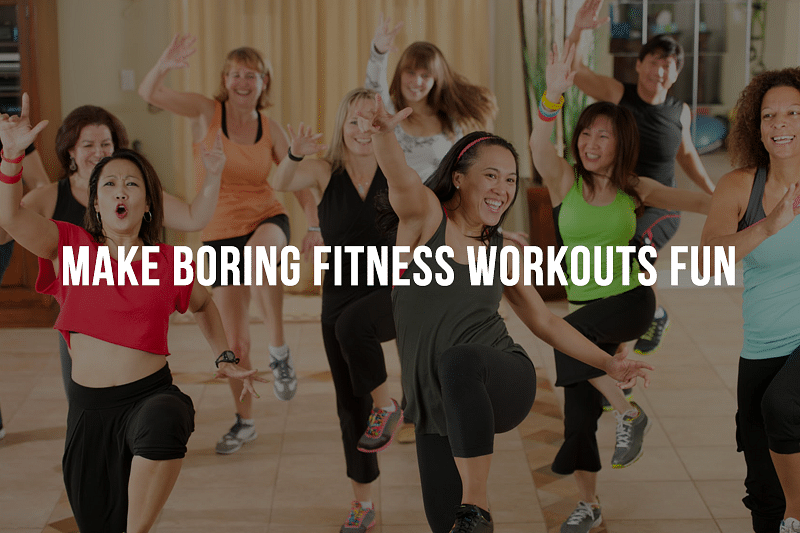
We at FITPASS believe #DilFitTohLifeHit. So, we couldn’t agree more that cardiovascular fitness is equally important in maintaining health after 40. Regular cardiovascular exercise after 40 can improve heart health, lower the risk of chronic diseases, and increase stamina.
As we age, flexibility and mobility can become a concern. Regular stretching and mobility exercises can prevent stiffness, reduce the risk of injury, and improve overall movement. Activities like yoga or Pilates are excellent for flexibility, mobility, and balance. Incorporating daily stretching routines will help keep your body agile and strong.

Physical fitness cannot be complete without diet control. Good nutrition is just as important as exercise for achieving fitness after 40. As metabolism slows down with age, it’s essential to fuel your body properly.

Mental health and exercise are closely linked, particularly as we age. Regular exercise is a powerful tool for managing stress, improving mood, and enhancing cognitive function. The endorphins released during physical activity can boost mental health and help manage the stress that comes with life’s responsibilities, particularly in midlife.
Meditation, deep breathing exercises, or mindfulness techniques are also beneficial in managing anxiety and keeping a clear, focused mind. You can balance exercise with relaxation practices to foster both physical and mental well-being.
As you age, preventing injuries after 40 becomes even more important. The risk of injury can be reduced with proper warm-ups, cool-downs, and gradual progression in workouts. Always listen to your body and avoid overexertion. When starting a new exercise routine, ease into it to allow your body to adapt. And always take time for recovery – it's just as important as the workout itself.
So, the tips mentioned above may help you achieve your fitness goals in your 40s and beyond, but you also need to maintain them for the years to come. And here’s how you can do this.
Maintaining fitness after 40 is about staying consistent, making fitness a lifestyle, and adapting to your body’s evolving needs. Here’s how you can keep your fitness journey on track:
Fitness isn’t a short-term goal – it’s a long-term commitment. Whether you're trying to stay fit after 40 or embrace active ageing, consistency is crucial. Aim to engage in some form of physical activity every day, even if it’s just a brisk walk or a stretching session.
Variety is the spice of life, and the same applies to fitness. To maintain motivation and avoid boredom, it’s important to mix up your workout routine. Include strength training, cardio, flexibility, and recovery exercises in your weekly routine. This keeps the body engaged, reduces the risk of plateauing, and ensures you're targeting all areas of fitness.
As the years go by, fitness goals may need to evolve. Your goals should be realistic and in line with your body's capabilities. It’s also important to reassess your fitness routine as you experience changes in your health. Whether it’s setting goals for weight management after 40 or focusing on balance and flexibility, be open to adjusting your expectations.
One of the most important aspects of maintaining fitness as we age is learning to listen to the body. If you feel pain or discomfort, it’s important to take a step back and allow for recovery. Overexertion can lead to injuries that may take longer to recover from as you age.

Achieving and maintaining midlife fitness after 40 is not a destination but a journey. Embrace the changes in your body and adjust your routine to meet your evolving needs. With the right approach, staying fit after 40 will not only improve your physical health but also your mental well-being. Keep moving, stay motivated, and enjoy the many benefits of active ageing. Remember, it's never too late to start – and the sooner you begin, the better your health and fitness will be in the years to come.
Staying fit in your 40s and beyond is a commitment, but one that pays off in long-term health, vitality, and happiness. Keep going strong, and make the most of this vibrant phase of life!