Hiit Training Workouts In Vadodara
HIIT (High-Intensity Interval Training) is a time-efficient workout method that combines short bursts of intense exercise with brief recovery periods to improve cardiovascular fitness, build strength, and support calorie burn. HIIT workouts are widely recommended by fitness professionals for people who want effective results within shorter training sessions. With FITPASS, you can access professionally guided HIIT workout classes across Vadodara at verified gyms and fitness studios. Sessions are led by trained instructors who focus on proper technique, structured intervals, and progressive intensity to suit different fitness levels. Whether you’re new to HIIT or looking to push your performance further, these classes help you train safely and consistently. You can also choose studios near your home or workplace, select time slots that fit your routine, and switch centres easily, all through FITPASS flexible fitness membership designed for long-term fitness.
See More
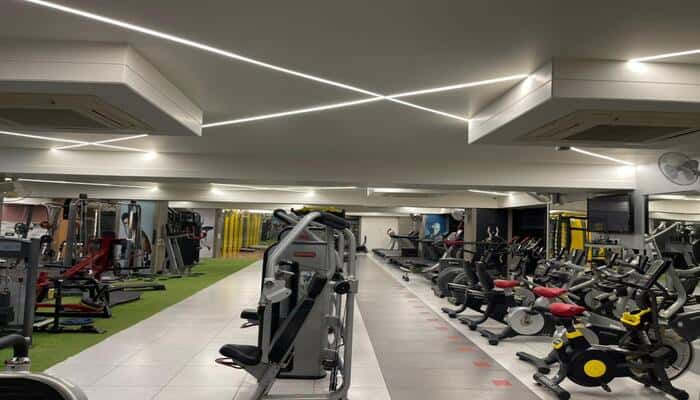

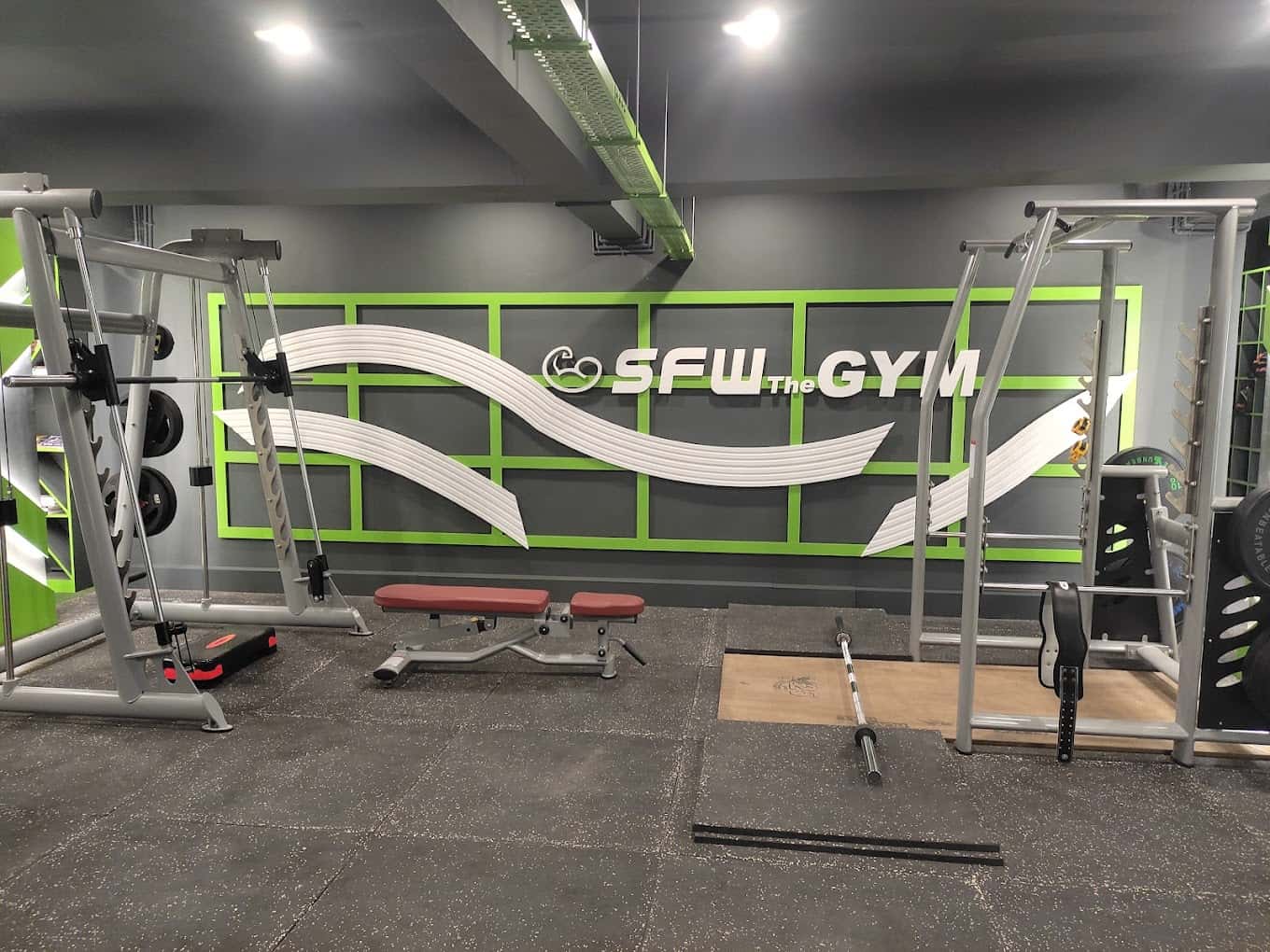

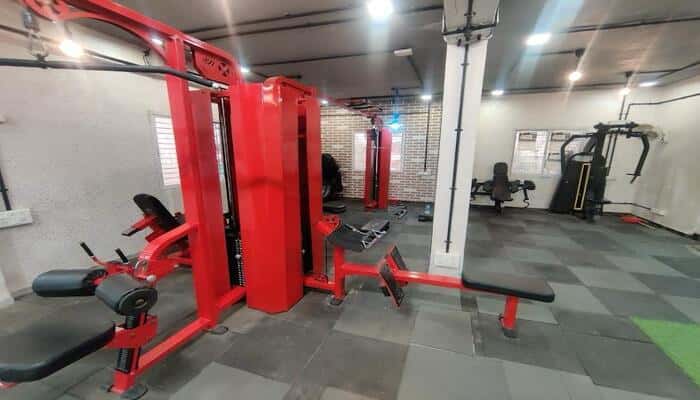
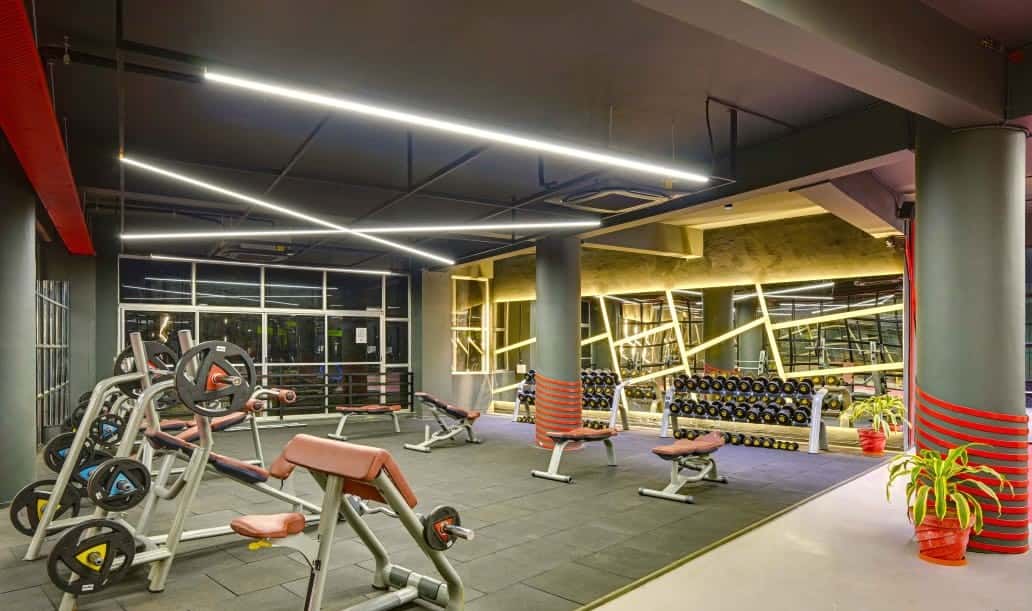

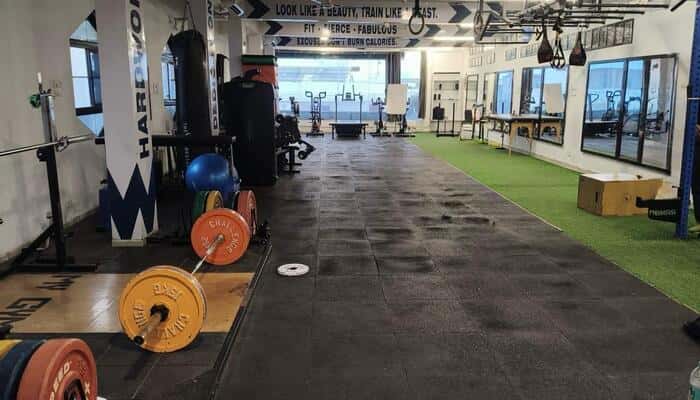



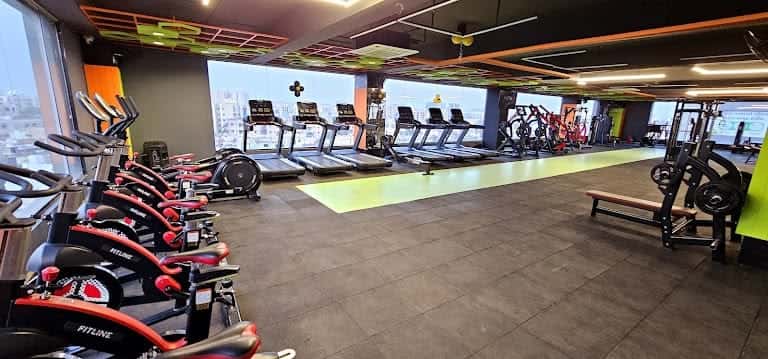

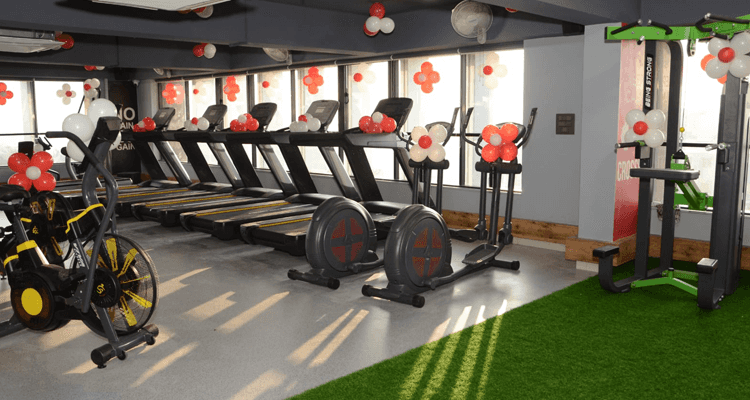

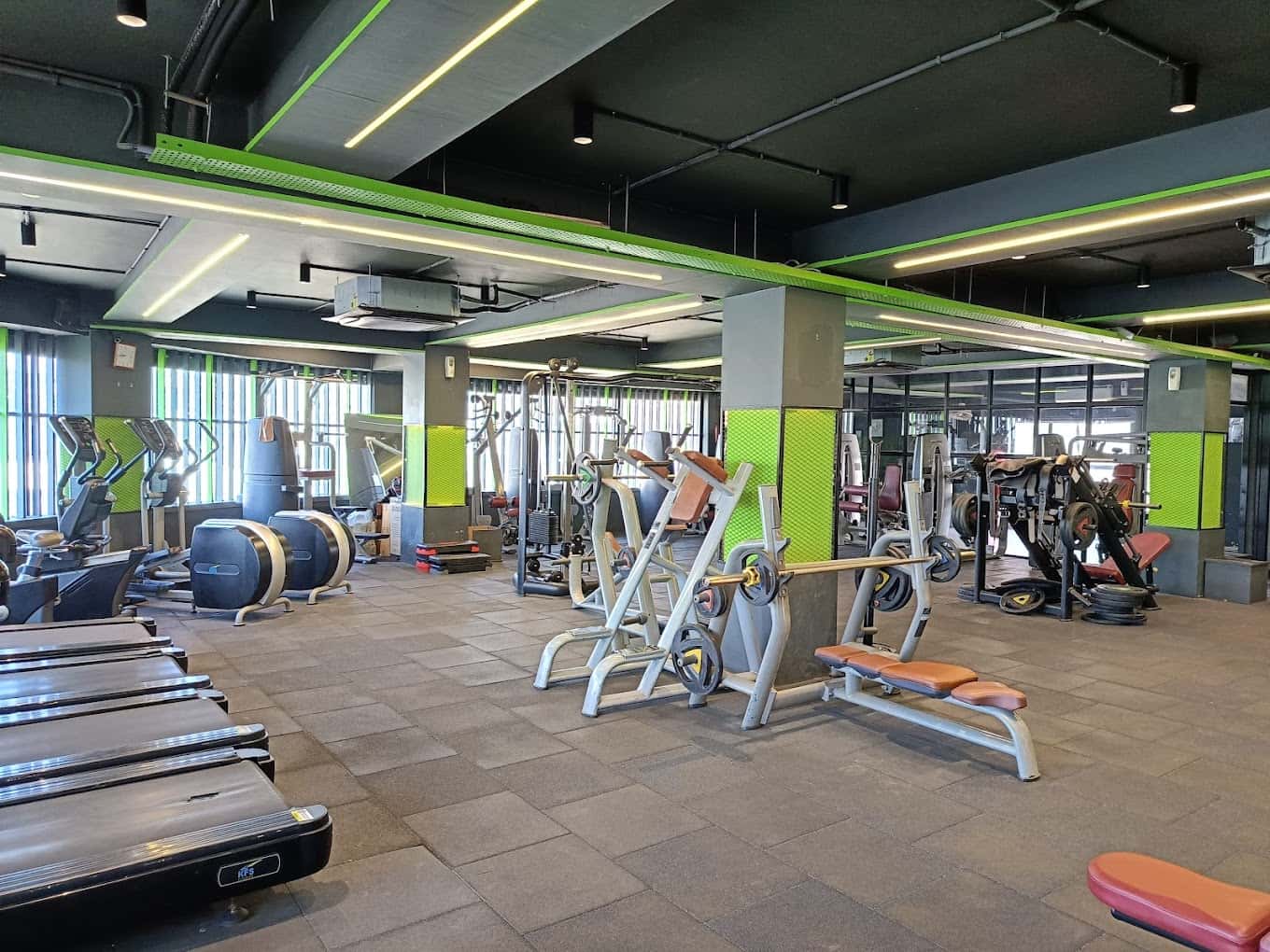

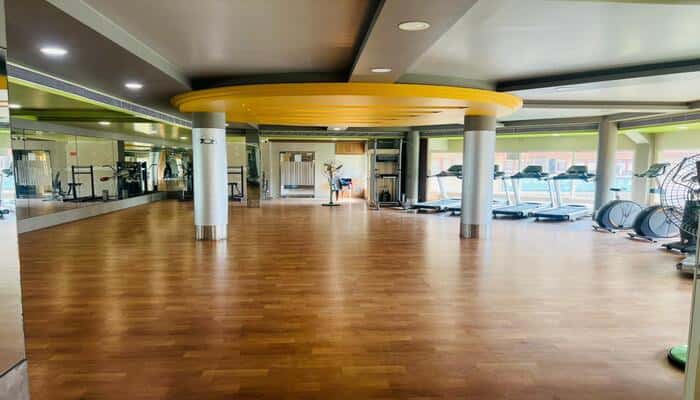
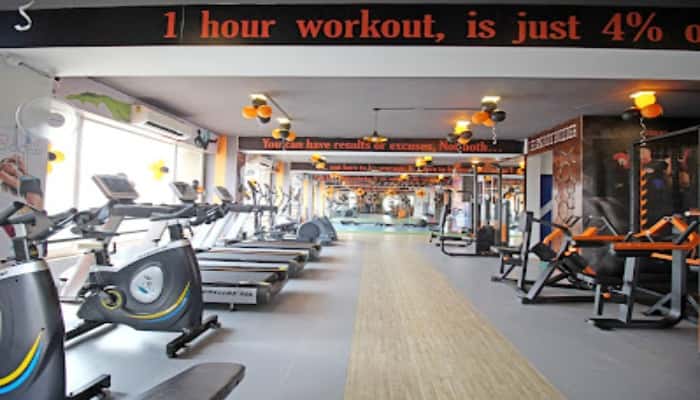

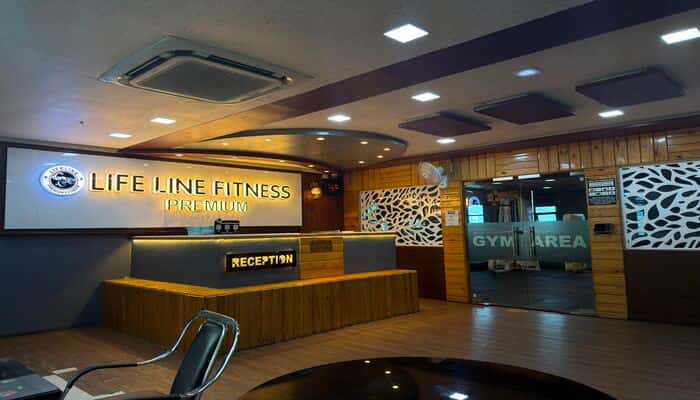
Hiit Training Workouts Available in Vadodara
More Ways to Stay Active in Vadodara



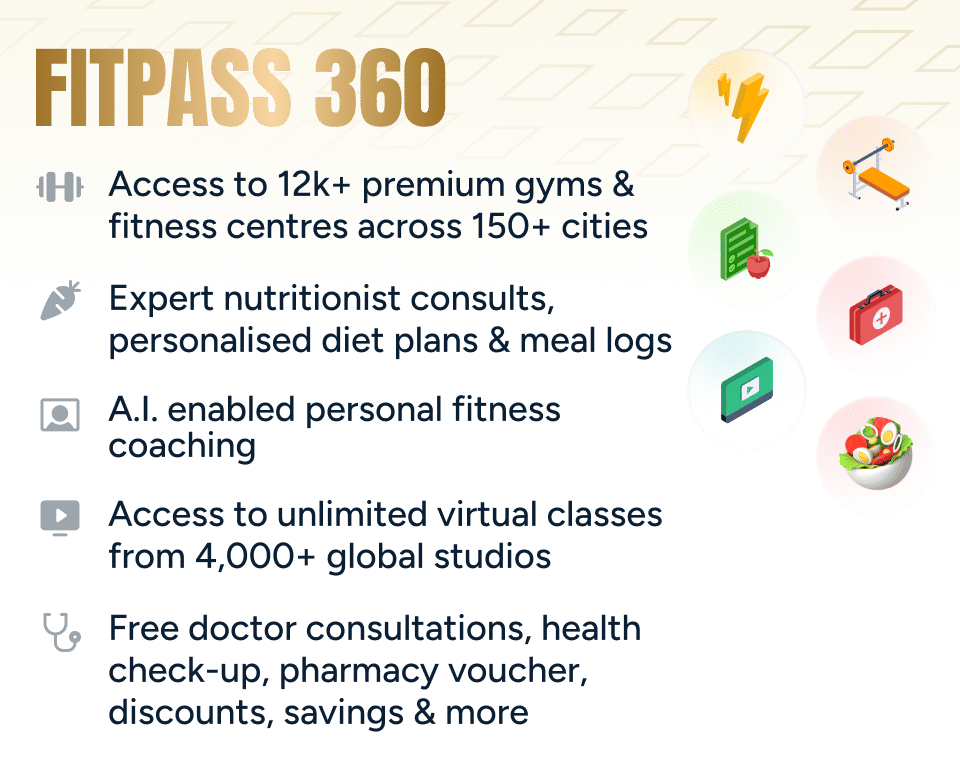
Choose Your FITPASS Plan
Your Fitness Journey Starts with the Right Plan


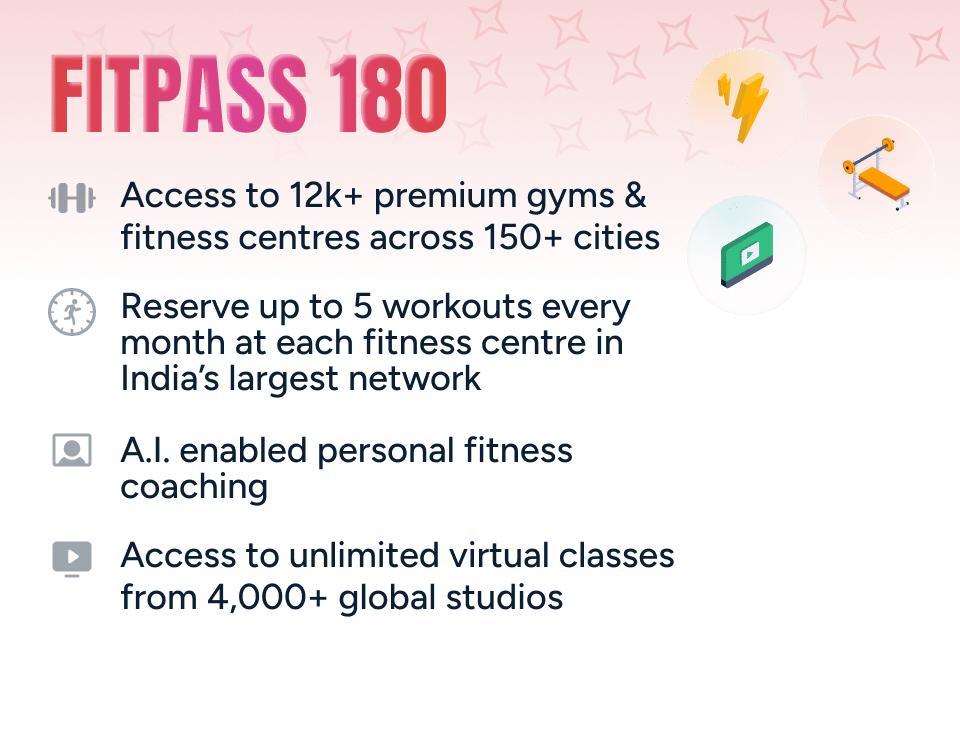
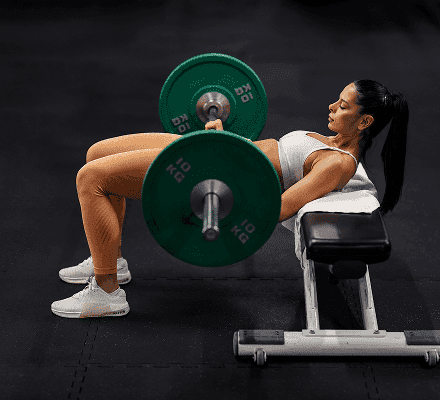
HIIT training brings together cardio, strength and functional exercises in an interval-based workout designed to challenge your overall fitness. By alternating between periods of intense activity and recovery, these workouts can help develop stamina, muscular endurance, coordination and physical conditioning. Whether you want to add variety to your exercise routine or explore a more structured approach to fitness, HIIT offers different training styles to suit your experience and goals. In Vadodara, you can discover participating gyms and fitness centres that offer workout options to support your fitness journey.
Understanding How HIIT Training Works
High-Intensity Interval Training, commonly known as HIIT, involves alternating between challenging exercise intervals and periods of recovery. The intensity changes throughout the session, allowing you to perform different movements while managing your effort and rest.
A workout may include squats, lunges, jumping jacks, push-ups, burpees, mountain climbers and high knees. These exercises can be arranged into circuits or performed individually, depending on the session's objective. Some training formats may also include resistance equipment, kettlebells, battle ropes or stationary bikes.
The structure of a HIIT session can vary according to fitness level and training goals. Some workouts focus on cardio endurance, while others combine strength, core exercises and functional movements. Recovery intervals are an essential part of the process, helping you regain control of your breathing and prepare for the next exercise.
Why Include HIIT in Your Fitness Routine?
HIIT can support different aspects of physical fitness when practised with appropriate intensity, technique and recovery. Its combination of cardio and strength exercises makes it a versatile addition to a balanced workout programme.
-
Improve cardiovascular endurance: Alternating between intense activity and recovery can challenge your cardiovascular system and help develop stamina.
-
Develop muscular endurance: Repeated movements such as squats, lunges and push-ups engage different muscle groups throughout a session.
-
Support strength and conditioning: Bodyweight exercises and resistance-based movements can contribute to muscular strength and overall conditioning.
-
Work on coordination and agility: Dynamic exercises require balance, stability and controlled transitions between movements.
-
Add variety to workouts: Different exercise combinations and interval formats can make training more engaging.
-
Create structured workouts: HIIT combines different activities within a planned session, offering an organised way to work on multiple fitness components.
Your results will depend on your current fitness level, consistency, exercise technique and recovery. HIIT works best as part of a wider fitness routine rather than as a replacement for every other form of exercise.
Exercises You May Find in HIIT Workouts
HIIT sessions can include movements that target the upper body, lower body, core and cardiovascular system. The exercises selected depend on the workout format and the participant's ability.
Cardio exercises: Jumping jacks, high knees, skipping and mountain climbers can increase workout intensity and challenge cardiovascular endurance.
Lower-body movements: Squats, lunges, jump squats and step-ups engage the legs and glutes while developing muscular endurance.
Upper-body exercises: Push-ups, shoulder taps and resistance-based movements can work the chest, shoulders and arms.
Core training: Planks, bicycle crunches and controlled mountain climbers engage the abdominal and supporting muscles.
Full-body movements: Burpees, kettlebell swings and battle ropes combine multiple muscle groups and can be included in conditioning-focused sessions.
Beginners can start with simpler exercise variations and focus on maintaining proper form. As their fitness and confidence improve, they can gradually explore more challenging movements.
Different HIIT Training Formats to Explore
HIIT is not limited to one workout style. Different formats allow you to focus on particular fitness goals while keeping your training routine varied.
Tabata Training: This format uses structured periods of intense activity followed by short recovery intervals. Exercises such as squats, jumping jacks and mountain climbers can be included.
Circuit-Based HIIT: A circuit combines different exercises performed in sequence. It may include cardio movements, strength exercises and core training to create a varied full-body session.
Bodyweight HIIT: This approach uses your body weight as resistance. Squats, push-ups, lunges, planks and burpees are common options for equipment-free workouts.
Functional HIIT: Functional workouts combine movements that involve strength, balance, coordination and mobility. They can help develop better control over everyday movement patterns.
Combat-Inspired HIIT: Boxing combinations, footwork drills and conditioning movements can create an energetic workout that challenges coordination and stamina.
Low-Impact HIIT: This style uses modified exercises with reduced jumping and high-impact movements while maintaining an interval-based structure. It may be suitable for people who prefer lower-impact exercise, depending on their individual requirements.
AMRAP Workouts: AMRAP stands for As Many Rounds As Possible. Participants repeat a selected combination of exercises within a set period while maintaining appropriate form and pace.
Trying different workout formats can help you identify a training style that matches your interests and keeps you motivated.
What to Expect During a HIIT Workout Session
A structured HIIT session generally includes a warm-up, the main workout and a cool-down. Each stage plays a role in preparing your body, managing exercise intensity and supporting recovery.
Warm-up: The session begins with light cardio and dynamic movements to prepare your muscles and joints. This may include marching, gentle jogging, arm circles and controlled bodyweight exercises.
Main workout: The central part of the session involves alternating between demanding exercises and recovery periods. You may move between cardio drills, strength exercises and full-body movements.
Intensity adjustments: Trainers may provide different versions of exercises depending on your experience and fitness level. You can adjust the pace and movement variation while maintaining proper technique.
Cool-down: The session finishes with lighter movements, breathing exercises and stretching to help your body gradually return to a resting state.
If you are attending HIIT training for the first time, share your experience level with the trainer and ask for suitable exercise modifications.
Choosing the Right HIIT Workout for Your Goals
The right HIIT workout depends on your current fitness level, training experience and personal objectives. If you want to focus on stamina, you may prefer sessions with more cardio-based intervals. If muscular endurance is your priority, look for circuits that combine bodyweight and resistance exercises.
Beginners should focus on basic movements, manageable intensity and sufficient recovery. People who already exercise regularly may explore more varied circuits, functional movements or equipment-assisted workouts.
Before choosing a training option, consider these points:
-
Check whether the workout is suitable for your current fitness level.
-
Look for trainers who demonstrate exercises and provide modifications.
-
Choose a workout format that matches your interests and fitness goals.
-
Consider the available equipment and facilities.
-
Make sure your routine allows enough recovery between demanding sessions.
A suitable workout should challenge you without compromising exercise technique or making progression unnecessarily difficult.
Safety and Recovery Tips for Effective HIIT
HIIT can place considerable demands on your body, so preparation and recovery should be part of every training routine. Following appropriate exercise practices can help you train consistently and manage workout intensity.
-
Warm up before starting: Prepare your muscles and joints with light cardio and dynamic movements.
-
Prioritise correct form: Focus on controlled movements rather than rushing through repetitions.
-
Use recovery intervals: Take the prescribed rest periods and manage your breathing before starting the next exercise.
-
Stay hydrated: Drink water before, during and after your workout.
-
Increase intensity gradually: Progress to more challenging exercises as your fitness and technique improve.
-
Include rest days: Balance demanding sessions with lighter activities and sufficient recovery.
-
Listen to your body: Stop exercising if you experience sharp pain, dizziness or unusual discomfort.
If you have an existing injury, health concern or have been inactive for an extended period, seek appropriate professional guidance before beginning high-intensity exercise.
Combine HIIT with Other Fitness Activities in Vadodara
A balanced fitness routine includes more than one type of workout. HIIT can help you work on cardiovascular conditioning and muscular endurance, while other activities can support different physical abilities.
Strength training can contribute to muscular development, steady-paced cardio can help build endurance, and yoga or mobility exercises can support flexibility and movement control. Combining these activities allows you to create a routine that addresses different fitness requirements.
You can organise your workouts around your schedule, energy levels and recovery needs. For example, alternate demanding HIIT sessions with strength-focused workouts and lighter activities. This approach can help keep your routine varied without making every training day equally intense.
In Vadodara, exploring different fitness environments and workout formats can help you find activities that suit your lifestyle. Focus on consistency, choose exercises you enjoy and adjust your training as your fitness develops.
Discover HIIT Training Options in Vadodara with FITPASS
Finding a suitable place to work out can make it easier to maintain a regular fitness routine. FITPASS helps users discover participating gyms and fitness centres in Vadodara where they can explore available workout options, including HIIT training.
Depending on the participating centre and its available activities, you can explore different training environments and workout styles. Consider the facilities, available equipment, workout formats and convenience of each centre before choosing where to train.
Whether you prefer cardio-focused intervals, bodyweight circuits, functional movements or combat-inspired workouts, look for an option that matches your experience and fitness goals. Explore HIIT training options in Vadodara through FITPASS and take a step towards building a more active, varied and consistent fitness routine.
Get FITPASS & Get Moving!