Hiit Training Workouts In South City 2 Gurugram
HIIT (High-Intensity Interval Training) is a time-efficient workout method that combines short bursts of intense exercise with brief recovery periods to improve cardiovascular fitness, build strength, and support calorie burn. HIIT workouts are widely recommended by fitness professionals for people who want effective results within shorter training sessions. With FITPASS, you can access professionally guided HIIT workout classes across South City 2 at verified gyms and fitness studios. Sessions are led by trained instructors who focus on proper technique, structured intervals, and progressive intensity to suit different fitness levels. Whether you’re new to HIIT or looking to push your performance further, these classes help you train safely and consistently. You can also choose studios near your home or workplace, select time slots that fit your routine, and switch centres easily, all through FITPASS flexible fitness membership designed for long-term fitness.
See More





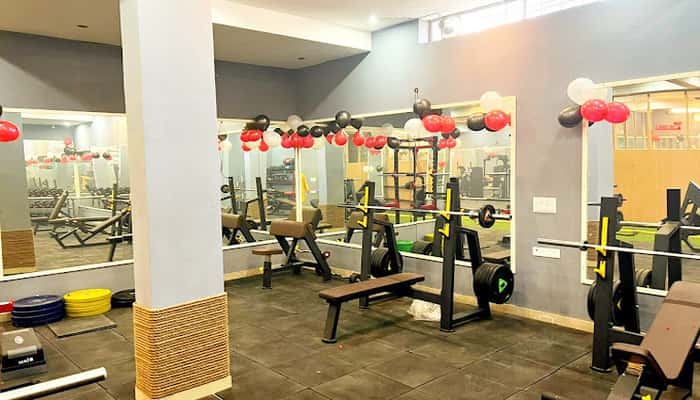
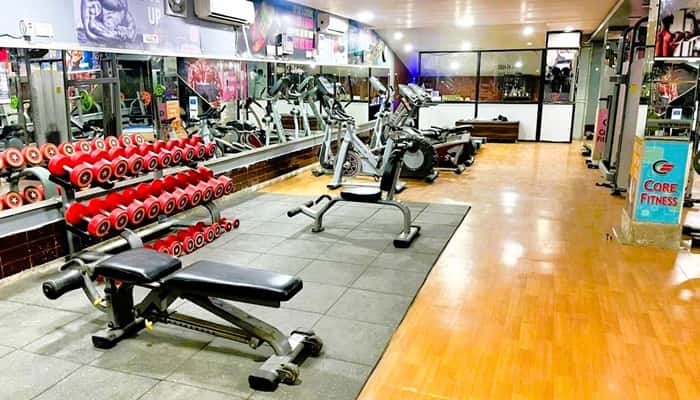




More Ways to Stay Active in South City 2, Gurugram








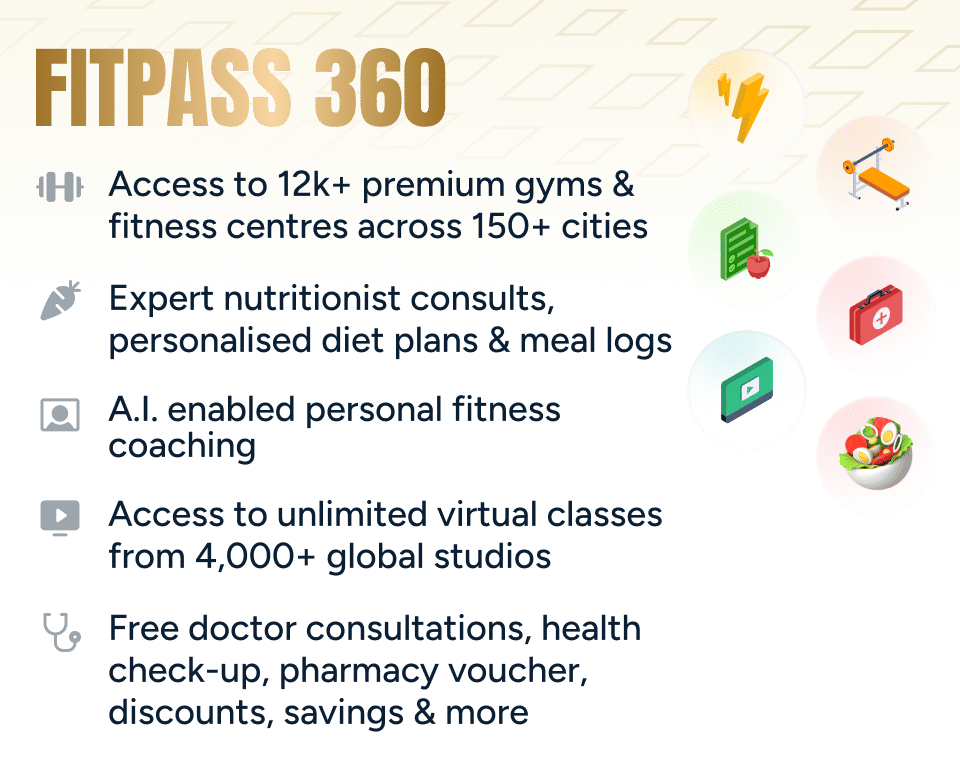
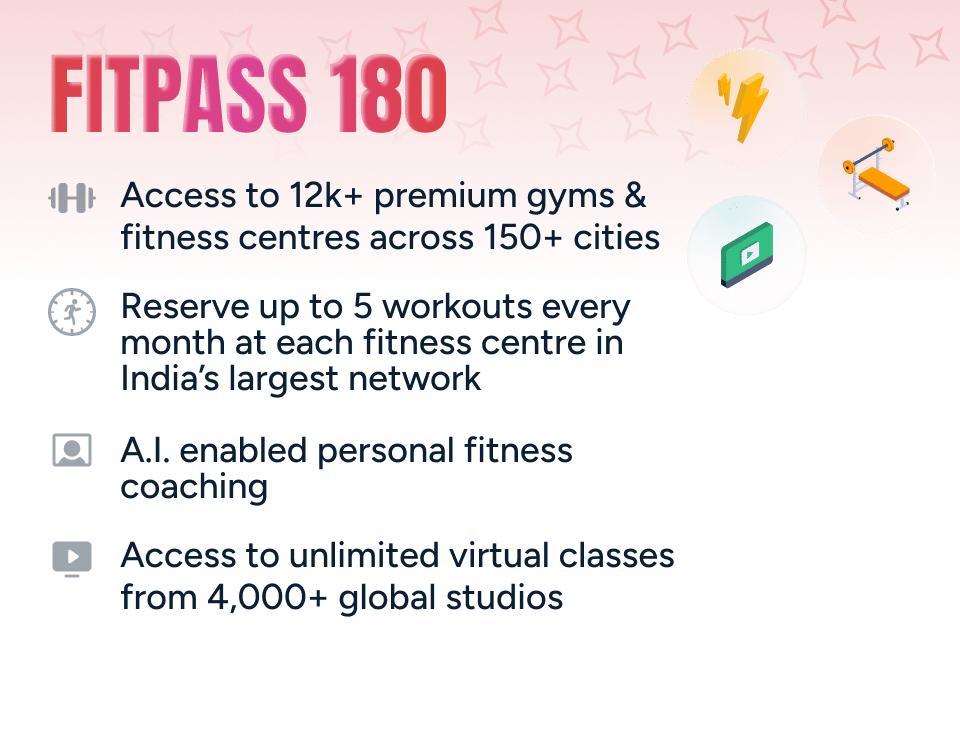
Choose Your FITPASS Plan
Your Fitness Journey Starts with the Right Plan


High-Intensity Interval Training (HIIT) is a workout approach that combines short bursts of challenging physical activity with planned recovery periods. It brings together cardio movements, bodyweight exercises and strength-based drills to create varied training sessions. Whether you are new to interval training or looking to introduce a different workout style into your existing routine, understanding how HIIT works can help you choose sessions that match your fitness level and goals. Explore the different formats, exercises and training options available through FITPASS to find a suitable way to stay active.
What Is High-Intensity Interval Training?
High-Intensity Interval Training, commonly known as HIIT, involves alternating between periods of higher-intensity exercise and lower-intensity recovery. Instead of maintaining the same pace throughout a workout, participants perform challenging movements for a set period before resting or moving at a slower pace.
A HIIT session can include cardiovascular exercises, bodyweight movements, resistance training or functional fitness drills. The duration of each interval, recovery time and exercise selection depend on the programme and the participant's fitness level.
HIIT is not a single fixed workout. Trainers can organise sessions in different ways to focus on cardiovascular endurance, muscular conditioning, coordination or overall fitness. The intensity should be appropriate for the individual, and beginners can start with simpler movements and longer recovery periods.
How Does a HIIT Workout Work?
A typical HIIT session follows a structured sequence that allows participants to alternate between activity and recovery. Although the exact format varies, most sessions include a few key stages.
Warm-up: The session begins with light movement and mobility exercises to prepare the body for physical activity.
High-intensity intervals: Participants perform selected exercises at a challenging but manageable pace. These may include cardio drills, bodyweight movements or strength exercises.
Recovery intervals: Short breaks or lower-intensity movements allow participants to recover before the next round.
Cool-down: The session finishes with slower movements and stretching to gradually reduce activity levels.
The balance between exercise and recovery can be modified according to experience, fitness level and the workout's intended focus.
Common Exercises Included in HIIT Training
HIIT routines can combine exercises that engage different muscle groups and challenge several aspects of physical fitness. Some commonly used movements include:
-
Jumping jacks: A cardio movement involving coordinated arm and leg actions.
-
High knees: A running-style movement performed in place to challenge cardiovascular endurance.
-
Squats: A lower-body exercise that engages the thighs and glutes.
-
Lunges: Movements that work the legs while challenging balance and coordination.
-
Push-ups: A bodyweight exercise that engages the chest, shoulders, arms and core.
-
Mountain climbers: A dynamic movement combining core engagement with cardiovascular activity.
-
Burpees: A full-body exercise that combines several movements into one sequence.
-
Planks: A core-strengthening exercise focused on stability and controlled positioning.
-
Kettlebell swings: A resistance-based movement that involves the hips, glutes and core.
Not every HIIT session includes all these exercises. Trainers may select movements based on the available equipment, participant experience and training objectives.
Different Types of HIIT Workouts
HIIT can be organised into several formats, offering different training experiences.
Tabata training: A structured interval format that alternates short periods of exercise with recovery. It is often used for cardio and bodyweight workouts.
Circuit-based HIIT: Participants move through a sequence of exercises, targeting different muscle groups with planned breaks between movements.
Bodyweight HIIT: These sessions use exercises such as squats, lunges, push-ups and mountain climbers, often without specialised equipment.
Cardio HIIT: This format focuses on cardiovascular activities such as running, cycling or other repeated bursts of movement.
Functional HIIT: Workouts combine strength, balance, coordination and movement-based exercises.
Resistance-based HIIT: These sessions incorporate weights or resistance equipment alongside interval training.
The workout format and intensity can differ between fitness centres. Check the individual session or centre details before choosing a programme.
Benefits of HIIT Workouts
When included appropriately in a balanced exercise routine, HIIT can support different aspects of physical fitness.
Cardiovascular endurance: Alternating between challenging activity and recovery can help develop the ability to sustain physical effort.
Muscular endurance: Repeated bodyweight and resistance movements challenge muscles to work through multiple exercise intervals.
Strength and conditioning: Exercises such as squats, lunges and push-ups can complement a regular strength-training programme.
Coordination and agility: Dynamic movements and changes in pace can challenge balance, coordination and movement control.
Workout variety: Different exercises and interval combinations can make training more engaging and help avoid repetitive routines.
Time-efficient exercise options: HIIT can be organised into relatively short sessions, depending on the workout structure. However, the appropriate duration depends on intensity, experience and recovery needs.
Individual results vary according to workout consistency, exercise technique, nutrition, sleep, recovery and overall activity levels.
Is HIIT Suitable for Beginners?
Beginners can explore interval training by starting with manageable exercises and adjusting the intensity to their current fitness level. A beginner-friendly session may include low-impact movements, longer recovery periods and simpler exercise combinations.
It is important to focus on technique before increasing speed or difficulty. Participants should follow trainer guidance and choose modifications when necessary. As fitness and confidence improve, the workout can gradually become more challenging.
People returning to exercise after a long break should also begin at a comfortable level. If you have an injury or an existing health concern, consult a qualified healthcare professional before starting high-intensity workouts.
HIIT vs Other Workout Styles
HIIT is different from other forms of exercise because it uses planned changes in intensity and recovery.
HIIT vs steady-state cardio: Steady-state cardio generally involves maintaining a consistent pace for a period of time, while HIIT alternates between more demanding activity and recovery.
HIIT vs strength training: Traditional strength training focuses on resistance exercises and progressive loading. HIIT may include strength movements, but organises them around intervals.
HIIT vs circuit training: Circuit training involves moving through a sequence of exercises. A circuit can be performed at different intensities, while HIIT specifically uses higher-intensity work periods followed by recovery.
Choosing between these formats depends on your fitness goals, preferences and recovery requirements. You can also combine different workout styles as part of a balanced routine.
Tips for Getting Started with HIIT
Before beginning a HIIT programme, consider your current activity level and the type of workout you enjoy. A few practical steps can help you approach interval training more comfortably:
-
Start with exercises that match your current fitness level.
-
Warm up before performing demanding movements.
-
Focus on proper technique rather than speed.
-
Use recovery intervals to manage your effort.
-
Stay hydrated before, during and after exercise.
-
Allow sufficient rest between demanding sessions.
-
Increase workout intensity gradually as your fitness improves.
Listen to your body throughout the session. Stop exercising if you experience unusual pain, dizziness or discomfort, and seek appropriate guidance.
Combine HIIT with a Balanced Fitness Routine
HIIT can complement other forms of physical activity rather than replace them. Strength training can provide focused resistance work, while steady-paced cardio offers another way to develop endurance. Yoga and mobility exercises can support flexibility, balance and controlled movement.
Your routine should reflect your fitness goals, schedule and ability to recover. Including suitable rest days is important, particularly when performing demanding workouts. A balanced approach can make it easier to maintain an exercise habit over time.
Find HIIT Training Centres Near You with FITPASS
Finding a convenient fitness centre can make it easier to include HIIT in your regular routine. FITPASS helps you explore participating gyms and fitness centres across locations, review their listed activities and compare available workout options.
If you are specifically looking for High-Intensity Interval Training, check the activity details on individual centre profiles to confirm whether HIIT is offered. Some facilities may list related formats such as CrossFit, circuit training, functional training or strength training. These activities can involve similar movements, but they are not automatically the same as a dedicated HIIT session.
Explore HIIT training options near you through FITPASS and consider the available facilities, workout formats and location before choosing a centre. Select an approach that suits your fitness level, preferences and everyday schedule, and build a routine that you can maintain consistently.
Get FITPASS & Get Moving!